
Apple Cider Vinegar Drink Recipe: 3 Easy Options for Weight Loss & Gut Health
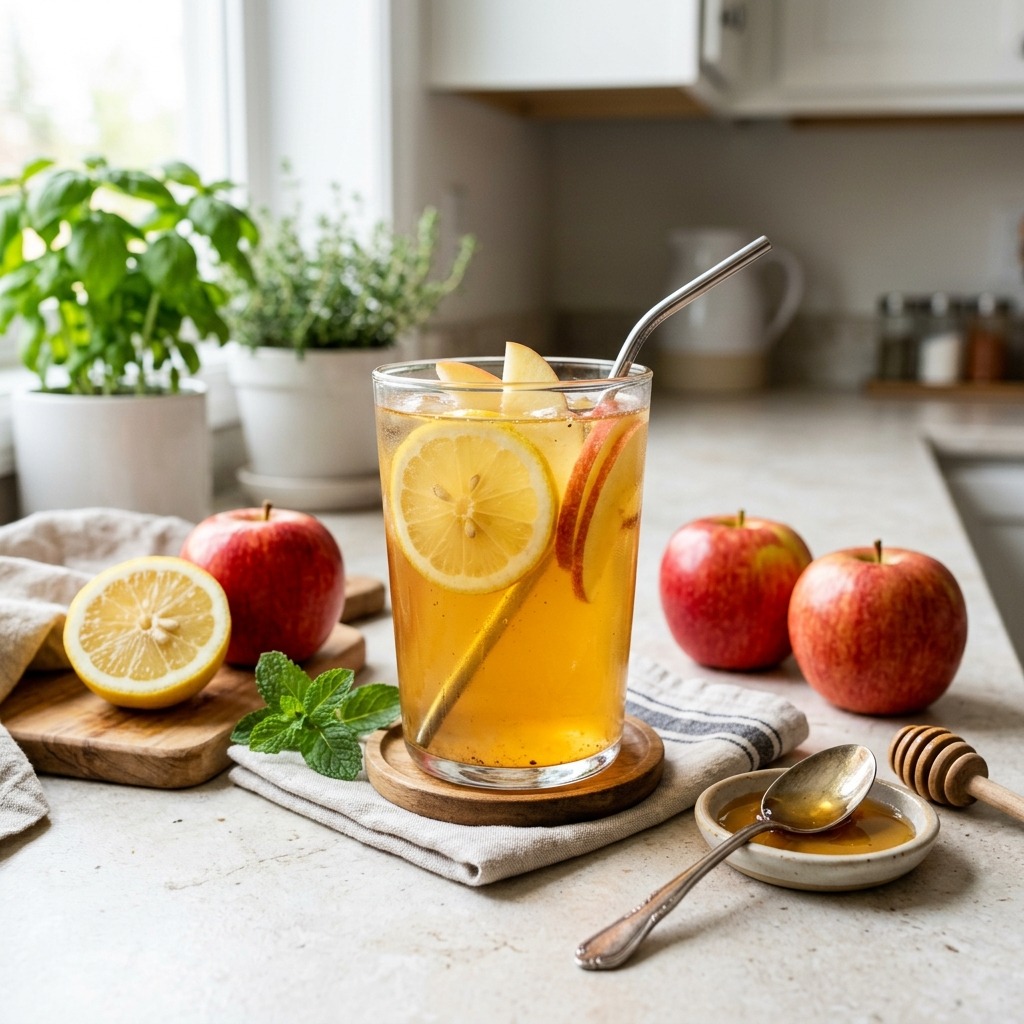
Apple cider vinegar drinks are simple beverages made by diluting 1-2 tablespoons of ACV in water with add-ins like lemon, honey, or ginger. They're popular for their tangy flavor and potential support for weight management, digestion, and blood sugar control. Below you'll find three tested recipes with exact measurements, calories, and prep steps.
Apple cider vinegar drinks have moved from wellness blogs to kitchen counters everywhere, and it's easy to see why. They're tangy, endlessly customizable, and offer a genuinely interesting alternative to sugary sodas. The global apple cider vinegar market was valued at over $1 billion in 2024 and continues growing at roughly 6-7% annually, according to multiple market research firms including Fortune Business Insights and Research and Markets.
What Is Apple Cider Vinegar and How Is It Made?
Apple cider vinegar is made from crushed, fermented apples combined with sugar and yeast. During fermentation, the sugar first converts into alcohol. Natural bacteria then break down that alcohol into acetic acid, which gives ACV its signature tang and pungent smell.
Raw, unfiltered ACV contains "the mother"a cloudy strand of proteins, enzymes, and beneficial bacteria left over from fermentation. This is what most gut-health claims are based on, similar to the SCOBY found in kombucha.
What Are the Health Benefits of Drinking Apple Cider Vinegar?
Research links apple cider vinegar to modest weight loss, lower cholesterol and triglycerides, reduced blood pressure, improved blood sugar control, and gut health support from probiotics in the "mother." Most studies use 1-2 tablespoons diluted in water daily, and effects are gradual rather than dramatic.
| Benefit | Supporting Research |
| Weight management | A study in Bioscience, Biotechnology, and Biochemistry found 2 tablespoons (30 ml) daily helped lower body weight |
| Lower cholesterol | The same study and a meta-analysis in BMC Complementary Medicine and Therapies found reduced triglycerides and total cholesterol |
| Blood pressure | A Japanese study published in Bioscience, Biotechnology, and Biochemistry linked acetic acid to blood sugar reduction |
| Blood sugar/insulin | Research in Nature and Science Direct found improved insulin sensitivity and moderated glucose levels |
| Gut health | Raw ACV's "mother" contains probiotics that may support microbiome diversity |
| Antimicrobial activity | A 2020 Nature study found ACV has antibacterial properties against some resistant strains |
Talk to your doctor before starting ACV regularly, especially if you take insulin, diuretics, or heart medications ACV can interact with these.
Apple Cider Vinegar Drink Recipe for Weight Loss
This recipe combines ACV with cinnamon and cayenne, both of which have been studied for their potential metabolic effects, plus lemon for vitamin C and flavor balance.
| Detail | Info |
| Prep time | 3 minutes |
| Servings | 1 |
| Calories | 22 per serving |
Ingredients:
- 8 ounces water
- 1-2 tablespoons apple cider vinegar (with the mother)
- 1 tablespoon fresh lemon juice
- 1/4 teaspoon ground cinnamon
- Pinch of cayenne pepper
- 1 teaspoon honey (optional)
Instructions:
- Pour the water into a glass.
- Add the apple cider vinegar and lemon juice, then stir well.
- Sprinkle in the cinnamon and cayenne pepper.
- Add honey if you prefer a touch of sweetness, then stir again.
- Drink 20-30 minutes before a meal for best results.
Tip: Start with 1 tablespoon of ACV if you're new to it, and work up to 2 tablespoons over a week or two. Drinking it before meals may help curb appetite, though results vary from person to person.
Apple Cider Vinegar Drink Recipe for Gut Health
Because raw ACV contains live probiotics from "the mother," this recipe skips heavy processing and keeps ingredients minimal so the beneficial bacteria stay intact.
| Detail | Info |
| Prep time | 2 minutes |
| Servings | 1 |
| Calories | 25 per serving |
Ingredients:
- 12 ounces filtered water (room temperature, not hot)
- 1-2 tablespoons raw, unfiltered apple cider vinegar
- Pinch of Himalayan salt
- 1 teaspoon fresh grated ginger
- 1 teaspoon maple syrup (optional)
Instructions:
- Combine the water, apple cider vinegar, and Himalayan salt in a glass.
- Add the fresh grated ginger.
- Stir in maple syrup if you'd like a milder taste.
- Mix thoroughly and drink right away.
Tip: Avoid hot water in this recipe. Heat can diminish the live bacteria in raw ACV, reducing its probiotic benefit. Room temperature or cool water preserves more of "the mother's" gut-supporting properties.
Best Apple Cider Vinegar Morning Drink Recipe
This is a brighter, more flavorful option designed to make your first sip of the day something to look forward to, combining ACV with citrus and a touch of spice.
| Detail | Info |
| Prep time | 4 minutes |
| Servings | 1 |
| Calories | 35 per serving |
Ingredients:
- 8 ounces water
- 1 tablespoon apple cider vinegar
- 1 tablespoon fresh lemon juice
- 1 teaspoon honey
- 1/4 teaspoon ground turmeric
- Pinch of black pepper (helps with turmeric absorption)
Instructions:
- Combine the water, apple cider vinegar, and lemon juice in a glass.
- Stir in the honey until dissolved.
- Add the turmeric and black pepper.
- Mix well and drink on an empty stomach, then wait 20 minutes before eating breakfast.
Tip: The black pepper isn't just for flavor. Piperine, a compound in black pepper, is commonly paired with turmeric because it may improve how well the body absorbs curcumin, turmeric's active compound.
How Do You Drink Apple Cider Vinegar Safely?
Always dilute apple cider vinegar never drink it straight. Use 1-2 tablespoons per 8 ounces of water, start with smaller amounts if you're new to it, and drink through a straw to protect tooth enamel. Rinse your mouth with water afterward rather than brushing immediately.
- Dilute every time. Undiluted ACV can erode tooth enamel and irritate the esophagus.
- Start small. Try 1 teaspoon per day for your first week, then work up to 1-2 tablespoons.
- Use a straw. This limits direct contact between the acid and your teeth.
- Time it thoughtfully. Many people drink ACV before meals to support digestion, or first thing in the morning on an empty stomach.
- Store batches properly. Pre-mixed concentrates keep in an airtight container in the fridge for up to six weeks; diluted drinks are best kept for about a week.
Common Mistakes to Avoid With ACV Drinks
- Drinking it undiluted: This is the fastest way to damage enamel and irritate your throat.
- Using the wrong vinegar: Filtered, pasteurized ACV lacks "the mother" and its probiotic benefits. Look for raw, unfiltered brands.
- Expecting overnight results: Most research points to gradual effects over 8-12 weeks of consistent use, not immediate transformation.
- Adding it to boiling liquids: Heat breaks down the beneficial bacteria in raw ACV, so stick to room-temperature or cold water.
- Skipping the rinse: Not rinsing your mouth after drinking ACV increases enamel exposure over time.
Frequently Asked Questions
How much apple cider vinegar should I drink per day?
Most research and recipes recommend 1-2 tablespoons daily, diluted in at least 8 ounces of water. Splitting this into one or two servings, rather than drinking it all at once, tends to be easier on digestion.
Can I make ACV drinks ahead of time?
Yes. Concentrated mixtures without fresh produce can be stored in an airtight container in the refrigerator for up to six weeks. Drinks with fresh fruit or juice are best consumed within 5-7 days.
Does drinking apple cider vinegar actually help with weight loss?
Some studies, including research published in Bioscience, Biotechnology, and Biochemistry, found modest weight loss with 2 tablespoons of ACV daily over 12 weeks. Effects are generally small and work best alongside a balanced diet, not as a standalone solution.
What does "the mother" in apple cider vinegar mean?
"The mother" refers to the cloudy strands of proteins, enzymes, and beneficial bacteria formed during fermentation. It's only present in raw, unfiltered ACV and is linked to most of the drink's gut-health claims.
Can I drink apple cider vinegar every day?
Yes, in moderation. Stick to 1-2 tablespoons daily, always diluted, and check with your doctor first if you take medications like insulin or diuretics.
What's the best time of day to drink apple cider vinegar?
Morning on an empty stomach is popular for digestion support, while pre-meal servings may help with appetite and blood sugar. There's no single "correct" time consistency matters more than timing.
Will apple cider vinegar drinks hurt my teeth?
Undiluted ACV can erode enamel due to its acidity. Diluting it properly, drinking through a straw, and rinsing your mouth with water afterward significantly reduces this risk.
Can I substitute apple cider vinegar with white vinegar in these recipes?
No. White vinegar lacks the beneficial compounds and "mother" found in raw ACV, and its flavor profile is much harsher. Stick with raw, unfiltered apple cider vinegar for both taste and potential health benefits.
Are there vegan or dairy-free versions of these recipes?
All three recipes above are naturally dairy-free. For a vegan option, swap honey for maple syrup or coconut sugar, both of which work well in any of these drinks.
How long does it take to see results from drinking ACV?
Research generally measures effects over 8-12 weeks of consistent daily use. Individual results vary, and ACV works best when combined with a generally healthy diet rather than as a quick fix.
- 8 ounces water
- 1 -2 tablespoons apple cider vinegar (with the mother)
- 1 tablespoon fresh lemon juice
- 1/4 teaspoon ground cinnamon
- Pinch of cayenne pepper
- 1 teaspoon honey (optional)
- 1 Pour the WaterPour the water into a glass.
- 2
Add Vinegar and LemonAdd the apple cider vinegar and lemon juice, then stir well.- 3
Add SpicesSprinkle in the cinnamon and cayenne pepper.- 4
Add HoneyAdd honey if you prefer a touch of sweetness, then stir again.- 5
Stir and ServeDrink 20-30 minutes before a meal for best results. - 2