
Bay Breeze Cocktail Drink Recipe: Easy 3-Ingredient Tropical Drink 2026
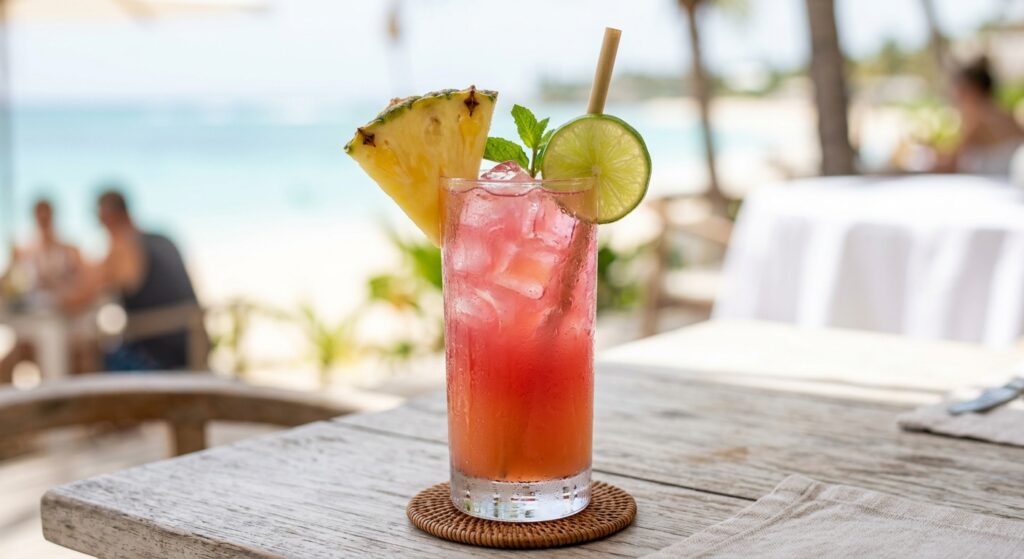
A Bay Breeze is a 3-ingredient cocktail made with vodka (or rum), cranberry juice, and pineapple juice, served over ice with a lime wedge. It takes about 5 minutes to make, contains roughly 187–220 calories per serving depending on the liquor used, and requires no cocktail shaker just stir and serve.
Few cocktails deliver tropical flavor with as little effort as the Bay Breeze. Three ingredients, one glass, and five minutes are all it takes to turn a regular afternoon into something that feels like a beach vacation. Whether you're hosting a summer get-together or just want a refreshing drink to unwind with, this cocktail hits the mark without requiring bartending skills or a fully stocked bar cart.
What Is a Bay Breeze Cocktail?
A Bay Breeze is a vodka- or rum-based cocktail combining cranberry juice and pineapple juice, served over ice with a lime garnish. It's also known as the Malibu Bay Breeze, Tropical Bay Breeze, or Hawaiian Sea Breeze depending on the liquor used. The drink belongs to the same cranberry cocktail family as the Cape Codder, Sea Breeze, and Cosmopolitan.
The Bay Breeze is closely related to the Sea Breeze, but the two aren't identical. Here's the key difference:
| Cocktail | Juice Mix | Liquor | Flavor Profile |
| Bay Breeze | Cranberry + pineapple | Vodka or rum | Sweet, tropical |
| Sea Breeze | Cranberry + grapefruit | Vodka | Tart, citrusy |
| Cape Codder | Cranberry only | Vodka | Simple, tangy |
The Three Liquor Options Explained
One of the best things about a Bay Breeze is that you can pick the liquor based on your mood. Each option changes the flavor and calorie count slightly.
| Liquor | Flavor Impact | Best For |
| Vodka | Clean, neutral, lets the juices shine | Those who want a milder cocktail |
| Light rum | Subtle rum notes, slightly less tropical than coconut rum | A balance between smooth and sweet |
| Coconut rum (Malibu) | Rich, tropical, sweetest of the three | Maximum beach-vacation flavor |
Classic Bay Breeze Mixed Drink Recipe
This is the foundational Bay Breeze mixed drink recipe that works with any of the three liquors above.
Recipe at a glance
| Detail | Info |
| Prep time | 5 minutes |
| Total time | 5 minutes |
| Servings | 1 |
| Calories | 187–220 kcal (varies by liquor) |
| Glassware | Highball or Collins glass |
Ingredients
- 2 oz vodka, light rum, or coconut rum
- 2 oz cranberry juice
- 2 oz pineapple juice
- 1 lime wedge, for garnish
Instructions
- Fill a highball or Collins glass with ice (crushed ice chills faster).
- Pour in the cranberry juice and pineapple juice.
- Add your chosen liquor.
- Stir gently with a bar spoon until combined.
- Garnish with a lime wedge and serve immediately.
Bay Breeze Drink Mix: Getting the Ratio Right
The most popular Bay Breeze ratio is equal parts liquor, cranberry juice, and pineapple juice often remembered as "two, two, two." Some bartenders follow the International Bartenders Association (IBA) ratio instead: 2 oz vodka, 6 oz cranberry juice, and 1.5 oz pineapple juice, which produces a tarter, less sweet drink.
If you prefer a sweeter, more tropical pour, lean into pineapple juice. For a deeper red color and tangier bite, increase the cranberry juice instead. Neither version is "wrong" it comes down to personal taste.
Bay Breeze Rum Drink
A Bay Breeze rum drink swaps vodka for light rum, adding a soft, warm sweetness without overpowering the tropical juices. It's a good middle-ground option for drinkers who find vodka too neutral but coconut rum too sweet.
Ingredients
- 2 oz light rum
- 2 oz cranberry juice
- 2 oz pineapple juice
- Lime wedge, for garnish
Instructions
Build over ice in a highball glass, stir, and garnish with lime same method as the classic recipe. Calories run close to the vodka version, typically landing around 190–210 kcal per serving.
Bay Breeze Drink with Coconut Rum
The Malibu Bay Breeze replaces vodka with coconut rum, creating the sweetest and most tropical version of the drink. Because coconut rum has a lower ABV than vodka (usually around 21%), this version tends to taste smoother and more dessert-like.
Ingredients
- 2 oz coconut rum (such as Malibu)
- 2 oz cranberry juice
- 2 oz pineapple juice
- Lime wedge, for garnish
Instructions
Follow the same build: ice, juices, coconut rum, stir, garnish. Expect around 200–220 kcal per serving, with a noticeably sweeter finish than the vodka or light rum versions.
Tips for Making the Perfect Bay Breeze
- Use unsweetened cranberry juice (labeled "100% juice") for a more balanced drink, and add a splash of simple syrup if you prefer it sweeter.
- Crushed ice chills faster than cubes and dilutes slightly, softening the sweetness.
- Stir, don't shake shaking isn't necessary since there's no citrus or egg white to emulsify.
- For a layered look, mix the liquor with pineapple juice first, then slowly pour cranberry juice down the side of a tilted glass so it settles at the bottom.
- Check your vodka or rum brand if gluten-free matters to you Tito's, Gray Goose, and Ciroc are commonly gluten-free options.
Variations and Twists
Batch Bay Breeze for a crowd: For 8 servings, combine 1½ cups pineapple juice, 1 cup liquor, and 3 cups cranberry juice in a pitcher. Stir well and serve over ice note that the layered effect won't hold in a pitcher, but the flavor stays the same.
Non-alcoholic Bay Breeze mocktail: Combine equal parts cranberry juice and pineapple juice with a splash of coconut water in place of the liquor. This keeps the tropical flavor intact without the alcohol.
Seasonal twist: Blend the classic recipe with ice for a frozen Bay Breeze slushy during peak summer heat.
Storage Guidance
A mixed Bay Breeze is best enjoyed immediately, as the ice will dilute it over time. However, you can pre-mix the juices (without liquor or ice) up to 3 days ahead and store them in the refrigerator in an airtight container. Add the liquor and ice just before serving to preserve the flavor and carbonation-free crispness.
Frequently Asked Questions
How many calories are in a Bay Breeze?
A standard vodka Bay Breeze contains approximately 187–217 calories per serving, depending on the exact ratio of juice to liquor used.
Can I make a Bay Breeze ahead of time?
You can pre-mix the cranberry and pineapple juice up to 3 days in advance, but add the liquor and ice just before serving for the best taste.
What's the difference between a Bay Breeze and a Malibu Bay Breeze?
A Bay Breeze typically uses vodka, while a Malibu Bay Breeze specifically uses Malibu coconut rum, resulting in a sweeter, more tropical flavor.
Is a Bay Breeze the same as a Sea Breeze?
No. A Bay Breeze uses pineapple juice, while a Sea Breeze uses grapefruit juice instead, giving it a tarter, more citrus-forward taste.
How strong is a Bay Breeze cocktail?
With roughly 2 oz of 40% ABV vodka diluted in 4 oz of juice, a Bay Breeze lands around 8% ABV comparable to a strong beer.
What can I use instead of vodka in a Bay Breeze?
Light rum or coconut rum both work well as substitutes, each adding a different level of sweetness and tropical flavor.
Do I need a cocktail shaker to make a Bay Breeze?
No. This drink is built directly in the glass and stirred with a bar spoon no shaker required.
How do I make a Bay Breeze less sweet?
Use unsweetened 100% cranberry juice and stick with vodka or light rum rather than coconut rum, which adds natural sweetness.
Can I make a non-alcoholic Bay Breeze?
Yes. Combine equal parts cranberry and pineapple juice with a splash of coconut water for a mocktail version with the same tropical flavor.
What's the best glass for serving a Bay Breeze?
A highball or Collins glass is standard, as it holds enough ice and liquid for proper dilution and chill.
- 2 oz vodka, light rum, or coconut rum
- 2 oz cranberry juice
- 2 oz pineapple juice
- 1 lime wedge, for garnish
- 1 Fill the Glass With IceFill a highball or Collins glass with ice (crushed ice chills faster).
- 2
Add the JuicesPour in the cranberry juice and pineapple juice.- 3
Pour in the LiquorAdd your chosen liquor.- 4
Stir Until CombinedStir gently with a bar spoon until combined.- 5
Garnish and ServeGarnish with a lime wedge and serve immediately. - 2