
Drink Irish Car Bomb Recipe: Ingredients and Easy Steps
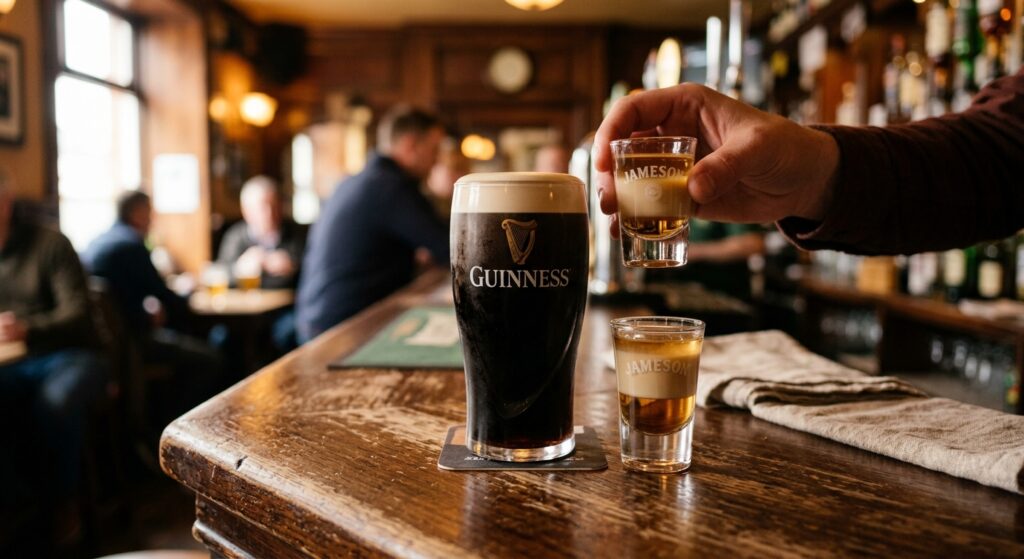
An Irish Car Bomb mixes a half-shot of Baileys Irish Cream and Irish whiskey, dropped into a glass of Guinness stout. It's a Boilermaker-style drink, invented in Connecticut in 1979, known for its rich, creamy-malty flavor. Due to its controversial name, many bars now call it a Dublin Drop or Irish Slammer instead.
Few party drinks spark as much debate as this one. The Irish Car Bomb combines the malty depth of Guinness stout with a creamy, whiskey-spiked shot, creating a layered drinking experience that's equal parts flavor and theater. You drop the shot, watch it curdle slightly on contact, and down the whole thing before it separates further.
How Do You Make an Irish Car Bomb?
Layer Baileys Irish Cream and Irish whiskey in a shot glass, then drop the shot into a glass that's about three-quarters full of Guinness stout. Drink it immediately, before the cream curdles. The whole process takes about two minutes from start to finish, and no special bar tools are required.
What Is an Irish Car Bomb and Where Did It Come From?
The Irish Car Bomb is a Boilermaker-style cocktail made by dropping a combined shot of Irish cream and Irish whiskey into a glass of Guinness stout. It was invented in 1979 by Connecticut bartender Charles Burke Cronin Oat at Wilson's Saloon, who reportedly dropped the shot and declared "bombs away!"
Why Is It Called an "Irish Car Bomb"?
The name references car bombings carried out during the Troubles, the roughly 30-year conflict in Northern Ireland. Oat had already nicknamed his Baileys-and-Jameson shot an "IRA," and as the Troubles dominated headlines, the beer-and-shot combination took on the now-controversial name, which many consider offensive, particularly in Ireland and the UK.
What Should I Call It Instead?
In Ireland, the UK, and many respectful US establishments, the drink is better known as the Dublin Drop, Irish Slammer, or Irish Shot. Many bartenders worldwide refuse to serve the original name due to its ties to real violence and loss of life. Using an alternative name costs nothing and avoids unnecessary offense.
Irish Car Bomb Drink Recipe (Easy Version)
This is the simplest version of the recipe, using three ingredients and basic bar tools. It's ready in under five minutes and doesn't require any special technique beyond a steady hand.
| Detail | Amount |
| Prep time | ~2 minutes |
| Servings | 1 cocktail |
| Calories | ~140–210 kcal (varies by source/pour size) |
| Carbohydrates | ~5–12 g |
| Alcohol content | ~7% ABV (estimate, per Drinkmeter) |
Ingredients
- ¾ pint (about 330–440 ml) Guinness stout, well chilled
- ½ shot (about 12.5 ml / ¼ oz) Baileys Irish Cream, well chilled
- ½ shot (about 12.5 ml / ¼ oz) Irish whiskey (Jameson is the traditional choice)
Instructions
- Chill your pint glass and shot glass in the freezer for a few minutes beforehand.
- Pour the Baileys Irish Cream into the shot glass first.
- Carefully layer the Irish whiskey on top, pouring slowly over the back of a spoon to keep the layers separate.
- Pour the Guinness into your pint glass or beer mug, filling it about three-quarters full. Let the foam settle for a minute.
- Drop the shot glass (contents and all) into the Guinness.
- Drink immediately, before the cream begins to curdle.
Calorie figures vary depending on serving size and source: Twist and Toast reports 142 kcal for a 6 oz pour, MyNetDiary lists around 195 kcal for a bar-style serving, and Drinkmeter estimates 210 kcal for a larger 315 ml (10.6 oz) pour at roughly 7% ABV. Treat these as estimates rather than fixed values, since pour size and brand substitutions change the total.
How to Make a Car Bomb Drink: Step-by-Step with Temperature Tips
Getting the layering and timing right makes a noticeable difference in both presentation and taste. Follow these extra details alongside the basic steps above for a cleaner result.
Why Does Chilling Matter So Much?
Chilling both the Guinness and the Irish cream slows down the curdling reaction once they mix. Colder liquids are less reactive, so you get a smoother, creamier texture in the few seconds before you drink it. Always store Irish cream in the refrigerator, and pour the stout straight from a cold fridge or tap.
What's the Best Way to Layer the Shot?
Pour the Baileys into the shot glass first, since it's denser than whiskey. Then pour the Irish whiskey slowly over the back of a spoon held just above the surface. This technique disperses the whiskey gently, so it sits in a separate layer rather than mixing immediately with the cream.
The Science of Curdling: Why Does It Happen?
Guinness stout is mildly acidic, and when it meets the alcohol and dairy proteins in Baileys, the proteins destabilize and clump together. This is the same basic principle behind curdling milk with lemon juice. It's a normal chemical reaction, not a sign of spoilage, and it's completely safe to drink.
Is It Safe to Drink If It Looks Curdled?
Yes, curdled Irish Car Bomb is perfectly safe to drink. The clumping is a physical reaction between the stout's acidity and the cream's proteins, not bacterial spoilage. That said, the texture and taste are best in the first few seconds after dropping the shot, which is why speed matters more than appearance here.
Troubleshooting: Common Mistakes and Fixes
| Problem | Likely Cause | Fix |
| Drink curdles before you finish it | Ingredients weren't cold enough | Chill Guinness and Baileys fully; use a frozen glass |
| Shot glass overflows the pint glass | Pint glass filled too full | Leave the glass about ¾ full, not to the brim |
| Whiskey mixes into the Baileys too soon | Poured too quickly or directly | Pour whiskey slowly over the back of a spoon |
| Big splash when dropping the shot | Dropped from too high or too fast | Lower the shot glass gently rather than dropping from height |
| Drink tastes too sweet | Standard Baileys ratio too heavy | Try a 1:1 Baileys-to-whiskey ratio or a lower-sugar Irish cream |
Irish Car Bomb Drink Recipe (UK Version)
If you're making this in the UK, metric measurements and UK pub-standard serving sizes are more practical than US shot measures. Standard UK spirit measures are typically 25 ml or 35 ml, so adjust accordingly.
| Ingredient | UK Measure (approx.) |
| Guinness stout | 330–440 ml (standard can or pint) |
| Baileys Irish Cream | 12.5 ml (half a 25 ml single measure) |
| Irish whiskey | 12.5 ml (half a 25 ml single measure) |
Preparation is identical to the standard recipe: layer the Baileys and whiskey in a shot glass, drop it into a glass filled roughly three-quarters with Guinness, and drink immediately. Note that this drink's name remains particularly sensitive in the UK and Ireland given the history of the Troubles, so using "Dublin Drop" or "Irish Slammer" is strongly recommended when ordering or serving.
Variations and Substitutions
What Other Irish Cream or Whiskey Can I Use?
Carolans Irish Cream is a popular substitute for Baileys, prized for its stronger caramel flavor. Any Irish whiskey can replace Jameson, though the flavor profile will shift slightly depending on the brand's sweetness and smoothness. Flavored Baileys varieties (such as chocolate or caramel) also work well in this drink.
Are There Dairy-Free or Vegan Options?
Yes, several plant-based Irish cream alternatives exist on the market and can be swapped in using the same ratio as traditional Baileys. For the stout, check the label of your preferred Guinness variant, since filtration methods can vary by product and region, and confirm vegan status directly with the manufacturer if that matters to you.
Can I Make a Lower-Calorie or Non-Alcoholic Version?
For fewer calories, use a smaller pour of Guinness (closer to 6 oz rather than a full pint) and a lighter Irish cream liqueur. For a non-alcoholic version, look for alcohol-free stout and non-alcoholic Irish cream alternatives, and simply skip the whiskey or replace it with a splash of cold coffee for a similar color and bitterness.
Irish Car Bomb Similar Drinks
If you like the shot-and-beer format, several other drinks follow the same basic concept with different regional twists.
| Drink | How It's Made |
| Boilermaker | Shot of whiskey or bourbon dropped into (or chased with) a glass of beer |
| Sake Bomb | Shot of sake dropped into a Japanese beer |
| Kopstootje | Dutch "headbutt" a beer paired with a shot of Jenever (Dutch gin) |
| Chicago Handshake (Drive-By) | Beer paired with a shot of Malört |
| Bourbon Cherry Bomb | Bourbon-based variation using cherry liqueur in place of Irish cream |
| Guinness Wilde Oscar | A Guinness-based variation with different shot components |
Storage and Make-Ahead Guidance
This drink doesn't store well once assembled, since the curdling reaction begins the moment the shot touches the stout. However, you can prep ahead by pre-measuring and layering the Baileys and whiskey shots in advance, then refrigerating them (covered) until ready to serve. Keep Guinness unopened and chilled until the moment of assembly for the best texture and flavor.
A Note on Responsible Drinking
This is a fast-drinking cocktail meant to be consumed in one go, which means it's easy to underestimate how much alcohol you're taking in. Pace yourself between rounds, never drink and drive, and only serve this drink to guests of legal drinking age.
Frequently Asked Questions
How many calories are in an Irish Car Bomb?
Calorie counts vary by source and pour size: roughly 142 kcal for a 6 oz pour (Twist and Toast), about 195 kcal for a standard bar serving (MyNetDiary), and around 210 kcal for a 315 ml pour at 7% ABV (Drinkmeter).
How long does it take to make an Irish Car Bomb?
Preparation takes about two minutes total, covering chilling, layering the shot, and pouring the Guinness, according to Twist and Toast's recipe timing.
Can I make an Irish Car Bomb ahead of time?
You can pre-layer and refrigerate the Baileys-and-whiskey shot in advance, but don't combine it with Guinness until you're ready to drink, since curdling starts immediately on contact.
Why does my Irish Car Bomb curdle?
Guinness stout's mild acidity reacts with the dairy proteins and alcohol in Baileys, causing them to clump. It's a normal chemical reaction and completely safe to drink.
What's the alcohol content of an Irish Car Bomb?
One estimate from Drinkmeter puts it at roughly 7% ABV for a 315 ml serving, though this will vary based on the exact Guinness, Baileys, and whiskey proportions used.
Is Irish Car Bomb an offensive name?
Yes, the name references real car bombings from the Troubles and is considered offensive, particularly in Ireland and the UK. Dublin Drop, Irish Slammer, and Irish Shot are widely used alternatives.
What's the best whiskey for an Irish Car Bomb?
Jameson is the traditional choice, but any Irish whiskey works. The flavor will shift slightly depending on the whiskey's sweetness and smoothness.
Can I make a dairy-free version?
Yes, plant-based Irish cream alternatives can replace Baileys in the same ratio, making a dairy-free version straightforward to prepare.
What drinks are similar to the Irish Car Bomb?
Similar shot-and-beer drinks include the Boilermaker, Sake Bomb, Kopstootje (Dutch beer and Jenever), and the Chicago Handshake (beer with a Malört shot).
Who invented the Irish Car Bomb?
Charles Burke Cronin Oat invented the drink in 1979 at Wilson's Saloon in Connecticut, combining a Baileys-and-Jameson shot with a glass of Guinness.
- ¾ pint Guinness stout, well chilled (about 330–440 ml)
- ½ shot Baileys Irish Cream, well chilled (about 12.5 ml / ¼ oz)
- ½ shot Irish whiskey (Jameson is the traditional choice) (about 12.5 ml / ¼ oz)
- 1 Chill GlassesChill your pint glass and shot glass in the freezer for a few minutes beforehand.
- 2
Pour Baileys Irish CreamPour the Baileys Irish Cream into the shot glass first.- 3
Layer Irish WhiskeyCarefully layer the Irish whiskey on top, pouring slowly over the back of a spoon to keep the layers separate.- 4
Pour Guinness and Settle FoamPour the Guinness into your pint glass or beer mug, filling it about three-quarters full. Let the foam settle for a minute.- 5
Drop Shot into GuinnessDrop the shot glass (contents and all) into the Guinness.- 6
Drink ImmediatelyDrink immediately, before the cream begins to curdle. - 2