
French 75 Drink Recipe: Classic Gin and Champagne Cocktail
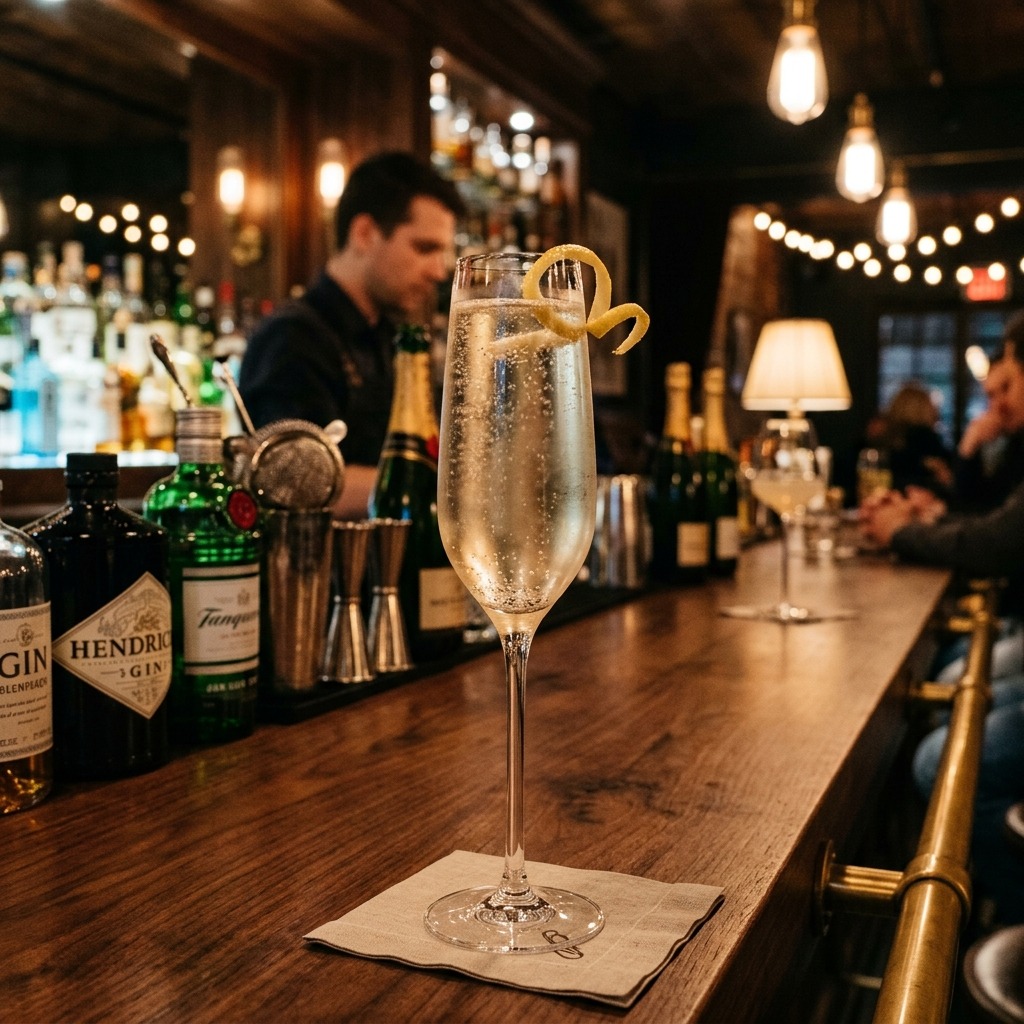
The French 75 is a bright, effervescent cocktail made with gin, fresh lemon juice, simple syrup, and Champagne. Named after a WWI field gun, it delivers a crisp, citrusy flavor with a surprising kick. Elegant yet easy, it's a favorite for celebrations, brunch, and dinner parties.
Few cocktails balance elegance and firepower quite like the French 75. Born in a Paris bar over a century ago, this gin and Champagne classic has earned a permanent spot on cocktail menus worldwide and for good reason. It's sharp with citrus, softened by a touch of sugar, and finished with bubbles that dance across your palate.
The best part? You don't need bartending experience to make one. With four simple ingredients and a few insider tips, you can shake up a bar-quality French 75 at home in under five minutes.
How Do You Make a French 75?
To make a classic French 75, shake 1½ oz gin, ¾ oz fresh lemon juice, and ½ oz simple syrup with ice. Strain into a chilled coupe or Champagne flute, then top with 2½ oz chilled Champagne. Garnish with a lemon twist and serve immediately for maximum fizz.
French 75 Recipe at a Glance
| Detail | Info |
| Prep time | 5 minutes |
| Total time | 5 minutes |
| Servings | 1 cocktail |
| Calories | ~184 per serving |
| Course | Apéritif / Cocktail |
| Cuisine | French |
| Difficulty | Easy |
Nutrition (per serving): 184 calories · 10g carbs · 8g sugar · 0g fat · 0g protein · 5mg sodium
What Are the Ingredients in a French 75?
A classic French 75 needs just four core ingredients, plus a garnish. Each one plays a role: gin brings botanical backbone, lemon adds brightness, simple syrup balances the tartness, and Champagne delivers the celebratory fizz.
French 75 ingredients:
- 1½ oz gin the traditional spirit base
- ¾ oz fresh lemon juice from about 1 lemon
- ½ oz simple syrup equal parts sugar and water
- 2½ oz Champagne (Brut) or a dry sparkling wine, well chilled
- Lemon twist for garnish
- Ice for shaking
Optional: 2–3 drops of absinthe in the chilled glass. This is the secret touch used at Harry's New York Bar in Paris, where the drink was born. It adds a subtle herbal edge.
Easy French 75 Recipe: Step-by-Step Instructions
Follow these six steps for a perfect classic French 75 cocktail every time:
- Chill your glass. Place a coupe or Champagne flute in the freezer for a few minutes. A cold glass keeps the drink crisp and the bubbles lively.
- Add the base ingredients. Fill a cocktail shaker with ice, then pour in the gin, fresh lemon juice, and simple syrup.
- Shake vigorously. Shake for 20 to 30 seconds, until the shaker feels cold to the touch. This chills the mixture and blends the flavors.
- Strain into your glass. Pour the mixture through a strainer into your chilled glass, leaving the ice behind.
- Top with Champagne. Slowly add the chilled Champagne or sparkling wine to preserve the fizz.
- Garnish and serve. Add a lemon twist and serve immediately.
What's the History Behind the French 75?
The French 75 was created around 1915 at the New York Bar in Paris later renamed Harry's New York Bar. The cocktail takes its name from the French 75mm field gun used in World War I, famous for firing up to 15 rounds a minute. Like the gun, the drink hits with unexpected force.
Bartender Harry Craddock summed it up in The Savoy Cocktail Book (1930), noting the drink "hits with remarkable precision." While it's often credited to Harry MacElhone, historians believe Henry Tépé of Henry's Bar in Paris likely invented it first.
The modern gin-lemon-Champagne version was codified in 1927. The cocktail even earned a cameo in the 1942 film Casablanca proof of its lasting cultural cachet.
Tips for the Perfect French 75
Small choices make a big difference. Here's how to elevate your French 75:
| Tip | Why It Matters |
| Use fresh lemon juice | Bottled juice tastes flat and metallic. Fresh is non-negotiable. |
| Pick an assertive gin | London Dry styles like Bombay Dry or Beefeater stand up to bubbles. Delicate gins get lost. |
| Choose Brut sparkling wine | You're adding sugar, so start with a dry base. Sweet wine overwhelms the drink. |
| Spend at least $15 on bubbly | Cheaper bottles can lead to headaches. Quality matters here. |
| Chill everything | Cold ingredients and glassware protect the fizz. |
| Serve right away | Effervescence fades fast drink it fresh. |
A gentle warning: the French 75 tastes lighter than it is. The sugar and bubbles hide the alcohol, so it sneaks up on you.
Should You Use Champagne, Prosecco, or Crémant?
Champagne is the traditional choice and best for celebrations. But you have options depending on budget and taste:
- Champagne luxurious, classic, ideal for special occasions
- Crémant French sparkling wine made the same way as Champagne, elegant and more affordable
- Prosecco light, easy-drinking, and budget-friendly
Whatever you choose, always pick Brut (dry). Sweet sparkling wines throw off the balance.
What Are the Best French 75 Variations?
Once you've mastered the classic French 75 cocktail, try these popular twists:
| Variation | The Swap |
| French 76 | Vodka instead of gin smoother and lighter |
| French 77 | Add elderflower liqueur (like St-Germain) for a floral note |
| French 95 | Bourbon instead of gin |
| French 125 | Cognac instead of gin richer and rounder |
| Pink French 75 | Use rosé sparkling wine for a festive look |
Non-alcoholic version: Swap the gin for a zero-proof gin alternative and the Champagne for sparkling water or a non-alcoholic bubbly. Keep the lemon and syrup for that signature citrus punch.
What Are Common French 75 Mistakes?
Avoid these slip-ups for a flawless drink every time:
- Skipping the simple syrup. Without it, the cocktail turns sharp and harsh.
- Using bottled lemon juice. It dulls the fresh, bright flavor.
- Choosing sweet sparkling wine. It clashes with the added sugar.
- Shaking the Champagne. Never shake the bubbly only the gin, lemon, and syrup.
- Serving over ice. The classic serve is straight up, no ice, to keep it crisp.
How Do You Make a Batch of French 75 for a Party?
To batch French 75s, combine the gin, lemon juice, and simple syrup in a pitcher and chill. When guests arrive, pour the mixture into glasses and top each with Champagne. One standard 750ml bottle of sparkling wine makes about 12 cocktails, so scale up the base mix accordingly.
This make-ahead method saves you from mixing one drink at a time. Just remember: add the sparkling wine at the very last moment to keep every glass fizzy.
What Foods Pair Well with a French 75?
The French 75's bright citrus and dry bubbles make it a natural apéritif. It shines alongside lemon-forward and savory dishes:
- Smoked salmon or salmon with beurre blanc
- Shrimp cocktail
- Roast chicken with lemon sauce
- Creamy lemon pasta
- Simple nuts, olives, or escargots
Frequently Asked Questions
How many calories are in a French 75?
A classic French 75 contains roughly 184 calories, with about 10g of carbohydrates and 8g of sugar. Most of the calories come from the gin, Champagne, and simple syrup.
Can you make a French 75 ahead of time?
Yes. Mix the gin, lemon juice, and simple syrup in advance and chill. Only add the Champagne right before serving, since the bubbles fade quickly once poured.
How long does a French 75 last once made?
Drink it immediately. The effervescence starts fading within minutes, so a French 75 is best enjoyed fresh rather than stored.
What gin is best for a French 75?
Assertive London Dry gins like Bombay Dry or Beefeater work best. They hold their own against Champagne. Avoid delicate gins like Hendrick's, which get lost in the drink.
Is a French 75 made with gin or cognac?
The modern classic uses gin, standardized in 1927. Some older recipes and New Orleans bars use cognac, but the cognac version is closer to what's now called a French 125.
Can I use Prosecco instead of Champagne?
Absolutely. Prosecco is a budget-friendly, easy-drinking swap. Just choose a Brut (dry) style so the cocktail stays balanced.
Why is my French 75 too sour?
You likely need more simple syrup, or your lemon was especially tart. Add syrup a little at a time until the tartness softens to your taste.
How strong is a French 75?
Stronger than it tastes. The gin plus Champagne makes it fairly boozy, but the sugar and bubbles mask the alcohol which is exactly why it earned its explosive name.
Should a French 75 be served in a flute or coupe?
Either works. Flutes preserve bubbles longer, while coupes give a vintage feel. The drink was historically served in a Collins glass, but flutes and coupes are standard today.
Can I make a non-alcoholic French 75?
Yes. Use a zero-proof gin substitute and swap the Champagne for sparkling water or non-alcoholic bubbly. Keep the fresh lemon and simple syrup for the signature citrus balance.
- 1 ½ oz gin the traditional spirit base
- 3/4 oz ¾ oz fresh lemon juice from about 1 lemon
- 1/2 oz ½ oz simple syrup equal parts sugar and water
- 2 oz Champagne or a dry sparkling wine, well chilled (Brut)
- Lemon twist for garnish
- Ice for shaking
- 1 chill your galassChill your glass. Place a coupe or Champagne flute in the freezer for a few minutes. A cold glass keeps the drink crisp and the bubbles lively.
- 2
mix ingredientsAdd the base ingredients. Fill a cocktail shaker with ice, then pour in the gin, fresh lemon juice, and simple syrup.- 3
shake vigorouslyShake vigorously. Shake for 20 to 30 seconds, until the shaker feels cold to the touch. This chills the mixture and blends the flavors.- 4
strain into your glassStrain into your glass. Pour the mixture through a strainer into your chilled glass, leaving the ice behind.- 5
top with champagneTop with Champagne. Slowly add the chilled Champagne or sparkling wine to preserve the fizz.- 6
GarnishGarnish and serve. Add a lemon twist and serve immediately. - 2