
Hydration Hacked – Best Homemade Electrolyte Drink Recipes (2026 Guide)
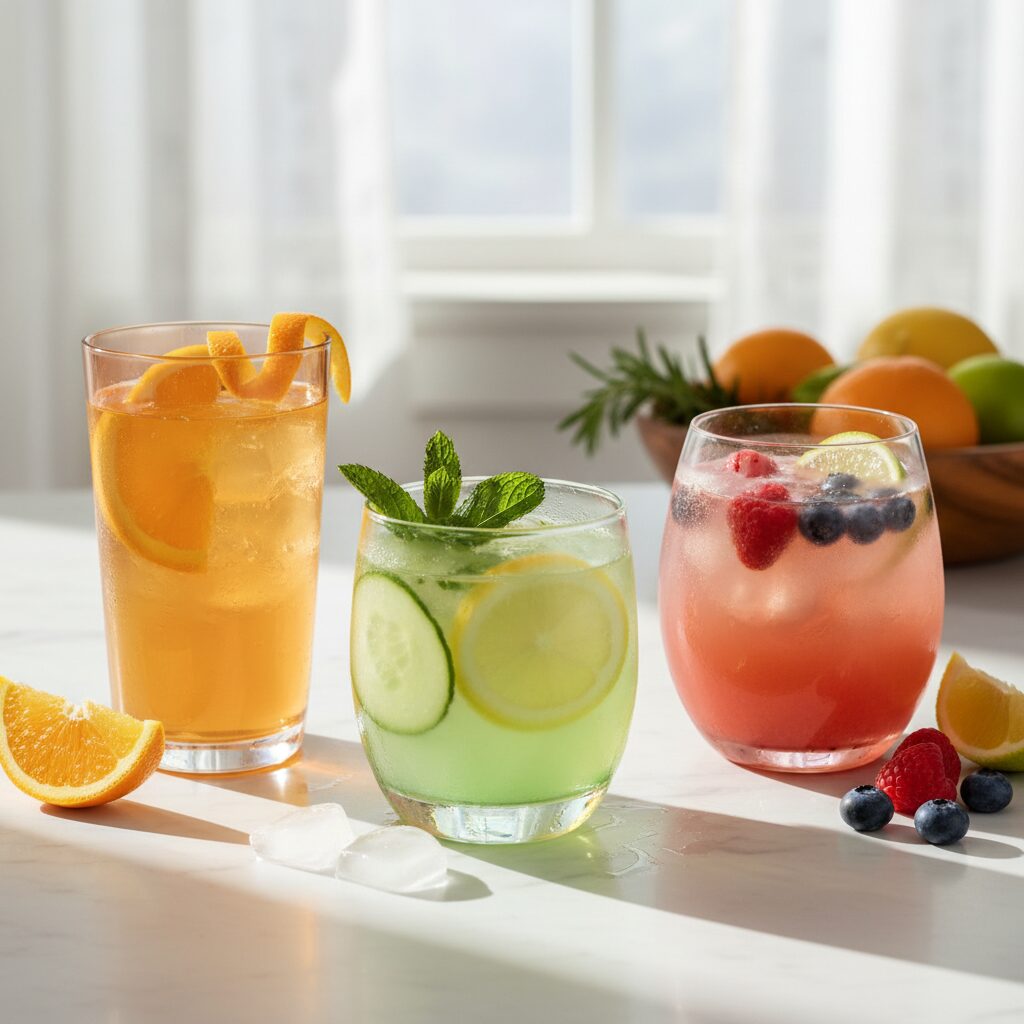
Commercial sports drinks have dominated the hydration market for decades, often marketed as the only solution for athletes and the dehydrated.
However, as we move through 2026, savvy consumers are waking up to two realities: the rising cost of commercial beverages and the unnecessary additives (like Red 40 and high fructose corn syrup) found in many popular bottles.
Whether you are an endurance athlete, recovering from an illness, or simply trying to survive a heatwave, making your own solution is often healthier, cheaper, and more effective.
Why Ditch the Bottle? The 2026 Cost and Health Analysis
Before diving into the recipes, it is essential to understand why the shift to homemade is happening.
In 2026, the price of ready-to-drink hydration fluids has outpaced general inflation, making daily consumption a costly habit.
Cost Comparison: Homemade vs. Commercial
Currency: USD (Average National Retail Prices, Jan 2026)
| Product Type | Brand Example | Price Per Serving (16 oz / 500ml) | Annual Cost (1 serving/day) |
| Commercial Sports Drink | Gatorade / Powerade | $1.04 - $1.45 | ~$450 |
| Pediatric Electrolyte | Pedialyte | $2.30 - $2.80 | ~$912 |
| Hydration Powders | Liquid I.V. / LMNT | $1.50 - $1.90 | ~$620 |
| Homemade Recipe | (Salt, Sugar, Citrus) | $0.12 - $0.20 | ~$58 |
The Verdict: Switching to a homemade electrolyte drink recipe can save the average consumer between $400 and $850 annually.
Ingredient Transparency
Beyond price, the control over ingredients is the primary driver for homemade adoption.
- Commercial: Often contains dextrose, modified food starch, glycerol ester of rosin, and artificial dyes.
- Homemade: Contains water, natural sea salt, real fruit juice, and natural sweeteners (honey/maple syrup).
The Science of Hydration: What Actually Matters?
To create an effective drink, you must understand the "Sodium-Glucose Cotransport System."
Many people attempt to make a "healthy" electrolyte drink by removing all sugar. However, from a medical and physiological standpoint, sugar (glucose) is necessary for rapid hydration.
The intestine relies on sodium and glucose binding together to pull water into the bloodstream efficiently.
Key Components of an Effective Blend
- Sodium (Salt): The most critical electrolyte lost in sweat. It helps retain fluid.
- Potassium: Prevents cramping and supports muscle function. Found in citrus and coconut water.
- Carbohydrate (Glucose): Accelerates absorption.
- Magnesium/Calcium: Supporting minerals for muscle relaxation (often needed in smaller quantities).
Base Liquid Comparison: Water vs. Coconut Water vs. Milk
The prompt asked to compare "milk types" or bases. Interestingly, dairy and plant bases vary significantly in hydration potential.
| Base Liquid | Hydration Potential | Best Use Case | Notes |
| Filtered Water | Standard | Daily sipping | Requires added salt and sugar to be an "electrolyte" drink. |
| Coconut Water | High | Heavy sweating | Naturally high in potassium; low in sodium (needs salt added). |
| Cow's Milk | Very High | Post-workout recovery | Contains natural sodium, carbs, and protein. Slower digestion but high retention. |
| Oat/Almond Milk | Low | Smoothie bases | Generally poor sources of natural electrolytes require fortification. |
Top 3 Homemade Electrolyte Drink Recipes
Here are three distinct variations tailored to specific needs.
1. The "Gold Standard" (WHO-Inspired Blend)
Best for: Illness, severe dehydration, and hangovers.
This is based on the World Health Organization's Oral Rehydration Salts (ORS) formula, adjusted for palatability. It prioritizes rapid absorption over flavor.
- Prep time: 2 minutes
- Yield: 32 oz (1 Liter)
Ingredients
- 4 cups (1 Liter) Filtered Water
- ½ teaspoon Table Salt (Standard iodized salt dissolves best)
- 6 teaspoons (2 tbsp) Granulated Sugar
- ½ cup Fresh Orange Juice or Lemon Juice (for potassium and flavor)
Instructions
- Warm 1 cup of water slightly to help dissolve the solids.
- Add salt and sugar; stir until completely clear.
- Add the remaining cold water and citrus juice.
- Chill before serving.
2. The "Endurance Athlete" (Coconut Water Base)
Best for: Long runs, hiking, and intense gym sessions.
This recipe uses coconut water to boost potassium levels naturally, mimicking high-end sports drinks without the dye.
- Prep time: 2 minutes
- Yield: 20 oz
Ingredients
- 1 ½ cups Unsweetened Coconut Water
- ½ cup Filtered Water
- 1/8 teaspoon Pink Himalayan Salt (contains trace minerals)
- 1 tbsp Raw Honey or Maple Syrup
- 2 tbsp Fresh Lime Juice
Instructions
- Combine all ingredients in a shaker bottle.
- Shake vigorously until honey is dissolved.
- Serve over ice.
3. The "Keto-Friendly" Sipper
Best for: Daily hydration for low-carb dieters
Note: Without glucose, this will not hydrate as rapidly as the recipes above, but it replenishes minerals.
Ingredients
- 2 cups Water
- ¼ teaspoon "Lite Salt" (Potassium Chloride/Sodium blend)
- 2 tbsp Lemon Juice
- Liquid Stevia or Monk Fruit to taste
- Optional: Powdered Magnesium Glycinate (check dosage on bottle)
Nutrition Breakdown per Serving (8 oz)
Understanding what is in your cup is vital. Here is how the Standard/WHO recipe compares to a generic sports drink.
| Nutrient | Homemade (Standard Recipe) | Commercial Sports Drink |
| Calories | ~45 | ~60 |
| Carbohydrates | 11g | 14g |
| Total Sugars | 10g | 14g |
| Sodium | ~280mg | ~110mg |
| Potassium | ~50mg | ~30mg |
| Caffeine | 0mg | 0mg (usually) |
Note: The homemade version has higher sodium, which is actually preferable for genuine rehydration, as commercial drinks often under-dose sodium to improve taste.
Frequently Asked Questions
How long does a homemade electrolyte drink last?
Because these recipes use fresh fruit juice and lack preservatives, they should be consumed within 24–48 hours. Keep them refrigerated.
Why use sugar? Can't I just use salt?
Salt alone adds electrolytes, but sugar creates the "pump" mechanism in the intestines that moves water into the blood. For illness or heavy sweat loss, sugar is functional, not just for flavor.
Is sea salt better than table salt?
For flavor, yes. For chemical hydration, no. Table salt (Sodium Chloride) is chemically sufficient.
Sea salt (like Himalayan) contains trace minerals, but the amounts are too negligible to make a massive physiological difference in acute hydration.
Final Thoughts: Which Recipe is Right for You?
Choosing the right homemade electrolyte drink recipe depends on your immediate goal:
Illness/Recovery
Stick to the Gold Standard recipe. The precise salt-to-sugar ratio is crucial for medical-grade rehydration.
Athletic Performance
Use the Coconut Water Base. The added potassium supports muscle function during exertion.
Daily Health
If you aren't sweating heavily, simply salting your food and drinking water is often enough. However, if you enjoy the taste, the Keto-Friendly version offers flavor without the calorie load.
By taking five minutes to mix your own solution, you save money, avoid micro-plastics and dyes, and gain total control over your health.
- 1 1/2 cups Unsweetened Coconut Water
- 1/2 cup Filtered Water
- 1/8 teaspoon Pink Himalayan Salt (contains trace minerals)
- 1 tbsp Raw Honey or Maple Syrup
- 2 tbsp Fresh Lime Juice
- 1 CombineCombine all ingredients in a shaker bottle.
- 2
ShakeShake vigorously until honey is dissolved.- 3
ServeServe over ice. - 2