Mimosa Drink Recipe: Classic, Pitcher and Non-Alcoholic Versions
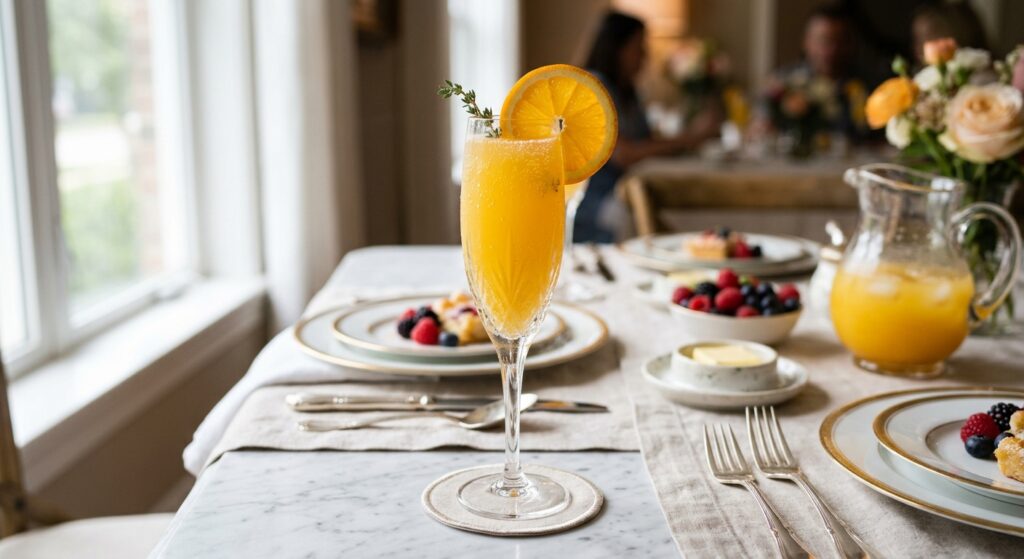
A mimosa is a bubbly brunch cocktail made from chilled sparkling wine and orange juice, usually mixed 50/50 in a champagne flute. Its light, citrusy-dry flavor profile makes it a brunch staple for holidays, showers, and lazy weekends. It's popular because it requires just two ingredients and takes under five minutes to make.
What Is a Mimosa and Where Did It Come From?
A mimosa combines sparkling wine and orange juice, named for its resemblance to the yellow mimosa flower. The cocktail is widely credited to Frank Meier, head bartender at the Ritz Paris, who is said to have created it in 1925 (Altamura Distilleries). A similar drink, the Buck's Fizz, appeared in London around 1921.
What Ingredients Do I Need for a Mimosa? (Mimosa Drink Ingredients)
You only need two core ingredients, plus optional extras for flavor and garnish.
| Ingredient | Amount (per 8 servings) | Notes |
| Sparkling wine (Champagne, Prosecco, Cava, or Brut) | 1 (750 mL) bottle, chilled | Just over 3 cups |
| Orange juice | 3 cups (750 mL), chilled | Pulp-free recommended |
| Optional: cranberry juice | Splash per glass | Adds color |
| Optional: Grand Marnier or Cointreau | 1/2 cup for a pitcher | Start with a 4:1 OJ-to-liqueur ratio |
| Optional: fresh citrus slices | For garnish | Orange, blood orange, or grapefruit |
Equipment: Champagne flutes (they preserve carbonation better than other glassware), a pitcher for batches, and a chilled bottle opener.
What Is the Best Mimosa Ratio?
The classic mimosa ratio is 50/50 sparkling wine to orange juice. For a stronger drink, use 2 parts wine to 1 part juice; for a lighter one, reverse it. Taste as you pour, since personal preference and the sweetness of your juice will affect the final balance.
How Do You Make a Mimosa Step by Step?
- Chill the sparkling wine, orange juice, and glasses the night before.
- Tilt the glass at a 45-degree angle to preserve bubbles.
- Pour the sparkling wine first, filling the glass about halfway.
- Top with orange juice and stir gently.
- Garnish with a fresh citrus slice and serve immediately.
Skip the ice: it dilutes the drink and flattens the carbonation faster.
Mimosa Drink Recipe Pitcher
Making mimosas for a crowd? Batch-prep the components, but always add the bubbles last.
| Ingredient | Amount (serves 6-8) |
| Orange juice | 3 cups, chilled |
| Optional: Cointreau or Grand Marnier | 1/2 cup |
| Sparkling wine | 1 (750 mL) bottle, chilled |
| Citrus slices | For garnish |
Steps:
- Combine the orange juice and optional liqueur in a pitcher.
- Add citrus slices and refrigerate until your guests arrive.
- Just before serving, pour in the chilled sparkling wine and stir gently.
- Serve immediately in flutes for the best fizz.
Mimosa Drink Recipe Non-Alcoholic
A non-alcoholic mimosa swaps the sparkling wine for a bubbly alternative, keeping the same bright, citrusy flavor.
- 3 cups orange juice, chilled
- 1 (750 mL) bottle sparkling cider, sparkling grape juice, or dealcoholized sparkling wine, chilled
- Citrus slices, for garnish
Mix in the same 50/50 ratio and serve in chilled flutes. This version works well for brunches with mixed-age guests or anyone skipping alcohol.
What Is a Mimosa Drink Mix (Make-Ahead Juice Base)?
A mimosa drink mix is simply the juice portion prepared in advance so you can pour and serve quickly. Combine your orange juice (or a juice blend like strawberry-orange or blood orange) with any liqueur or cranberry juice, then refrigerate in a sealed pitcher or jar for up to 24 hours. Add the sparkling wine only right before serving to keep the carbonation intact.
What Are the Best Mimosa Variations?
- Strawberry Mimosa: Blend fresh strawberries with orange juice before mixing.
- Blood Orange Mimosa: Use blood orange juice for a deeper color and a slightly less acidic, almost savory flavor.
- Cranberry Mimosa: Add a splash of cranberry juice for color and tartness.
- Other juice options: Apple cider, grapefruit juice, or pomegranate juice.
- Liqueur boost: Add Grand Marnier or Cointreau, starting with a 4:1 ratio of juice to liqueur.
Can I Make a Healthier, Dairy-Free, or Vegan Mimosa?
Yes. Mimosas are naturally dairy-free and vegan, since they only contain sparkling wine and juice. For a lighter version, use a dry Brut (lower in sugar than sweeter sparkling wines) and a pulp-free, no-sugar-added orange juice. Diluting slightly with sparkling water also cuts calories and alcohol content without sacrificing the fizzy mouthfeel.
Recipe at a Glance
| Detail | Info |
| Prep time | 2-5 minutes |
| Servings | 6-8 |
| Calories (approx., per serving) | 88-132 kcal, varies by ratio and liqueur* |
| Flavor profile | Bright, citrusy, dry-to-semi-sweet |
| Best for | Brunch, holidays, showers |
*Calorie estimates vary by source and recipe ratio. One pitcher version with Cointreau was estimated at 117 kcal per serving (Divas Can Cook); plain versions without liqueur typically run lower.
What Common Mistakes Ruin a Mimosa?
- Using warm ingredients: Room-temperature wine or juice won't stay fizzy. Chill everything the night before.
- Adding ice: This dilutes the drink and kills carbonation.
- Pulpy orange juice: Pulp creates a less smooth texture; choose pulp-free juice or strain fresh-squeezed juice.
- Pouring too early: Mimosas lose fizz quickly, so mix and serve immediately rather than batching finished drinks.
- Skipping the taste test: Always taste and adjust your ratio, since juice sweetness varies by brand.
How Much Does a Mimosa Cost to Make?
According to 12x75.com, a Brut Cava priced around $13 a bottle performs just as well in a mimosa as a $50 Champagne, since the orange juice masks subtle flavor differences. Orange juice and liqueur costs will vary by store and region, so an exact per-serving price isn't universal, but choosing an affordable sparkling wine like Cava or Prosecco is a reliable way to keep costs down without sacrificing taste.
Frequently Asked Questions
Can I make mimosas ahead of time?
You can prepare the juice (and any liqueur) up to 24 hours in advance and refrigerate it. Add the chilled sparkling wine just before serving to preserve carbonation and avoid a flat drink.
How long do mimosas last once mixed?
Mixed mimosas are best enjoyed immediately, as the sparkling wine loses its fizz within a day or two even when refrigerated, according to Diethood's testing notes.
Can I use a drink dispenser to self-serve mimosas?
Yes, according to Love and Lemons' reader feedback, guests can serve themselves from a dispenser with juice and sparkling wine combined, though pulpy mixes may clog a narrow spout.
Does the pour order (wine first or juice first) matter?
No. Per Love and Lemons, the drink will be equally bubbly whether you pour the sparkling wine or the orange juice first.
What's the best sparkling wine for mimosas?
A dry Brut, Cava, or Prosecco all work well. Cava and Prosecco are typically more budget-friendly than Champagne while delivering a similar bubbly result.
Can I make a single-serve mimosa instead of a pitcher?
Yes. Use equal parts chilled sparkling wine and orange juice in one flute, about 3-4 oz of each, then adjust to taste.
What juices work besides orange juice?
Blood orange, strawberry-orange, cranberry, grapefruit, pineapple, and apple cider are all reader-tested and recipe-verified alternatives.
Can I make a non-alcoholic mimosa?
Yes. Replace the sparkling wine with sparkling cider, sparkling grape juice, or a dealcoholized sparkling wine, keeping the same 50/50 ratio with orange juice.
Why is pulp-free orange juice recommended?
Pulp-free juice creates a smoother texture and a cleaner-looking drink. If using fresh-squeezed juice, straining it before chilling achieves the same result.
How many mimosas does one bottle of sparkling wine make?
One 750 mL bottle yields just over 3 cups of sparkling wine, enough for about 8 mimosas when mixed 50/50 with 3 cups of orange juice.
- 3 –4 oz chilled sparkling wine
- 3 –4 oz chilled orange juice
- Fresh citrus slice (optional garnish)
- 1 Chill Ingredients and GlassesChill the sparkling wine, orange juice, and glasses the night before.
- 2
Tilt the GlassTilt the glass at a 45-degree angle to preserve bubbles.- 3
Pour the Sparkling WinePour the sparkling wine first, filling the glass about halfway.- 4
Add Orange JuiceTop with orange juice and stir gently.- 5
Garnish and ServeGarnish with a fresh citrus slice and serve immediately. - 2