
The Ultimate Sangria Recipe: Traditional, Easy & Crowd-Pleasing
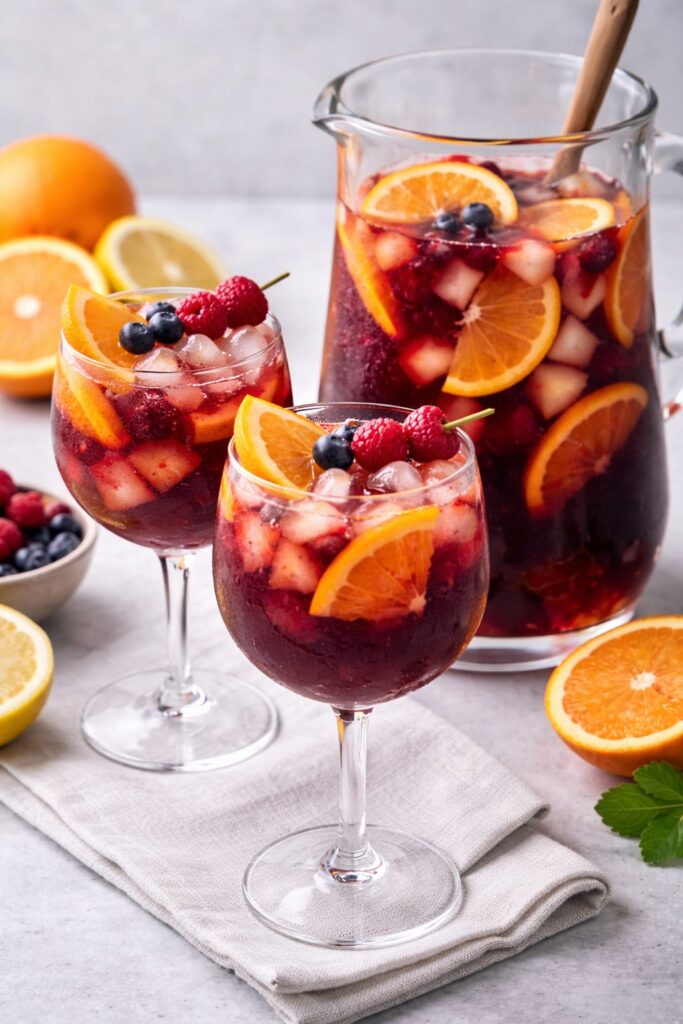
Sangria is a Spanish wine-based punch with deep roots in Iberian culture. Made with red wine, fresh fruit, citrus juice, a sweetener, and a splash of brandy or liqueur, it delivers a fruity, lightly boozy, and refreshingly smooth flavor. It's one of the easiest pitcher cocktails you can make and one of the most impressive to serve.
How Do You Make Sangria?
Combine one 750ml bottle of dry Spanish red wine with ⅓ cup brandy, ¾ cup orange juice, 3 tablespoons of brown sugar, and chopped apple and orange. Stir, then refrigerate for at least 2 hours (ideally overnight) before serving over ice.
Recipe at a glance:
| Detail | Info |
| Prep Time | 10 minutes |
| Chill Time | 2–8 hours |
| Total Time | 2 hours 10 minutes |
| Servings | 4–6 |
| Estimated Calories | ~186 kcal per serving |
| Difficulty | Easy |
| Best Wine | Tempranillo, Garnacha, Rioja |
Where Did Sangria Come From?
The story of sangria stretches back over 2,000 years. When the Romans inhabited the Iberian Peninsula, drinking water was often unsafe. To purify it, they mixed wine with water, herbs, and spices, an early precursor to what we now call sangria.
The name itself comes from sangre, the Spanish word for blood, a nod to the drink's deep red color. Sangria as we know it took shape through centuries of evolution, picking up citrus, brandy, and sweeteners along the way. In 1964, it arrived in the United States when it was served at the Spanish Pavilion at the New York World's Fair and Americans have been hooked ever since.
Interestingly, sangria is far more popular with tourists in Spain than with locals. Many Spaniards prefer a simpler summer drink called tinto de verano, just red wine and lemon soda over ice. No official recipe exists in Spain, which means you have full creative freedom.
What Are the Core Ingredients in a Sangria Recipe?
Every great sangria is built on six components. Nail these and the rest is just personal preference.
| Component | What to Use |
| Wine | Dry Spanish red wine (Tempranillo, Garnacha) |
| Fruit | Orange, apple, lemon, peach |
| Juice | Fresh orange juice |
| Sweetener | Brown sugar, simple syrup, or honey |
| Liquor | Brandy, rum, or orange liqueur |
| Ice | For chilling and serving |
Each element plays a role. Wine is the foundation. The fruit adds body, color, and sweetness. The juice softens the alcohol. The sweetener balances acidity. The liquor amplifies flavor and adds depth. And ice keeps it all cold without diluting it, as long as you serve it promptly.
Which Wine Is Best for Sangria?
The wine you choose will define the whole drink. Here's a quick breakdown:
- Tempranillo – Spain's most iconic grape. Medium-bodied with red fruit flavors, earthy notes, and low tannins. A natural fit for sangria.
- Garnacha (Grenache) – Light, fruity, and slightly spicy. Pairs beautifully with citrus and stone fruits.
- Rioja – A wine region rather than a grape, typically Tempranillo-dominant. Offers bright fruit and soft structure ideal for a pitcher drink.
What to avoid: Heavily oaked or complex wines (they fight the fruit rather than complement it), and very cheap, low-quality wine (it will taste like it). You don't need to spend more than $15, but don't go below $8 either.
If you can't find a Spanish red, any dry, fruit-forward red wine works, Beaujolais, Pinot Noir, or even an Italian Montepulciano. The key word is fruity, not tannic or smoky.
Brandy, Rum, or Sherry: Which Spirit Should You Use?
The spirit you add shapes both the flavor and the strength of your sangria.
| Spirit | Flavor Profile | Best For |
| Brandy | Rich, fruity, warming | Traditional red sangria |
| Rum (white) | Light, clean, subtle | Tropical-style sangria |
| Sherry (dry) | Nutty, complex, low-ABV | Session-friendly sangria |
| Orange liqueur (Grand Marnier, Cointreau, Triple Sec) | Bright citrus | Adding sweetness and aroma |
| Vermouth | Herbal, slightly bitter | Spanish bar-style sangria |
For the most traditional result, use Spanish brandy, Torres 10 or El Presidente are excellent choices. For a lower-alcohol version that you can sip over a long afternoon, dry sherry works brilliantly and adds remarkable depth.
Traditional Sangria Recipe (Step-by-Step)
Ingredients
- 1 bottle (750ml) dry Spanish red wine (Tempranillo, Garnacha, or Rioja)
- ⅓ cup brandy
- ¾ cup fresh orange juice
- 3 tablespoons brown sugar (adjust to taste)
- ½ medium apple, cored and chopped into small pieces
- ½ medium orange, sliced (rind on, large seeds removed)
- 1 cinnamon stick (optional but traditional)
- 1 cup ice (for chilling)
- Carbonated water or club soda to top (optional)
Instructions
- Muddle the fruit and sugar. Add the apple, orange, and brown sugar to a large pitcher. Use a muddler or wooden spoon to press and twist the fruit for about 45 seconds. This releases the natural oils from the citrus rind and starts breaking down the sugar.
- Add the juice and brandy. Pour in the orange juice and brandy. Muddle again for 30 seconds to combine.
- Pour in the wine. Add the full bottle of red wine and stir until the sugar is dissolved. Taste and adjust, more sugar for sweetness, more brandy for depth, more OJ for brightness.
- Add the cinnamon stick (if using) and refrigerate for a minimum of 2 hours, ideally 8 hours or overnight.
- Serve over ice. Pour into wine glasses or goblets filled with ice. If you want fizz, add a splash of club soda or sparkling water right before serving.
- Garnish with a fresh orange slice or a cherry on a skewer.
Why Is Chilling Time the Most Important Step?
This is the single biggest gap in most homemade sangria recipes, people skip the chill time and wonder why it tastes flat.
Sangria improves dramatically as the ingredients sit together. Here's what happens at each stage:
| Chill Time | Result |
| 0 minutes (serve immediately) | Drinkable, but wine and brandy taste separate |
| 1–2 hours | Fruit starts to soften; flavors begin to blend |
| 4–6 hours | Sweet spot—fruit is infused, balance is noticeable |
| 8 hours (overnight) | Fully integrated flavors; rich, smooth, deeply fruity |
| 24–48 hours | Still delicious; fruit becomes very soft |
The science is simple: maceration. The alcohol slowly draws flavor compounds out of the fruit and into the liquid, while the citrus juice softens the wine's tannins. The result is a drink that's far greater than the sum of its parts.
Pro tip: If you're pressed for time, soak your fruit in brandy for 30 minutes before adding the wine. It fast-tracks the infusion process.
Creative Sangria Variations
One of sangria's best qualities is its flexibility. Here are four variations worth trying:
White Sangria
Use a dry white wine (Pinot Grigio or Sauvignon Blanc), swap brandy for peach schnapps or elderflower liqueur, and use peaches, green grapes, and cucumber as the fruit.
Rosé Sangria
A bottle of dry rosé, fresh strawberries and raspberries, a splash of elderflower cordial, and a squeeze of lemon. Lighter and more floral than red sangria.
Sparkling Sangria
Use Cava (Spanish sparkling wine) as your base. Skip the brandy and let the bubbles do the heavy lifting. Add frozen fruit instead of fresh to keep it cold without diluting it.
Non-Alcoholic Sangria (Mocktail)
Replace wine with dark grape juice or a non-alcoholic red wine. Use sparkling water instead of club soda, and replace brandy with a splash of pomegranate juice or orange extract. Reduce the sugar slightly since grape juice is naturally sweeter.
Expert Dos and Don'ts
Do:
- Use fresh-squeezed orange juice, carton juice works but fresh is noticeably better
- Choose a wine you'd actually drink on its own (medium quality)
- Add ice to individual glasses, not the pitcher, to avoid dilution
- Make it the night before, it genuinely tastes better the next day
- Peel orange slices if you plan to chill for more than 4 hours (rinds can turn bitter)
Don't:
- Use boxed wine or very cheap varieties, they produce headaches and flat flavor
- Add carbonated water to the whole pitcher, it goes flat quickly; add per glass instead
- Over-sweeten, taste as you go; the fruit will add more sweetness as it macerates
- Muddle aggressively, you want to release oils, not pulverize the fruit into your drink
How Should You Serve and Pair Sangria?
Glassware: Large wine goblets or stemless wine glasses work best. Wide-mouthed glasses allow the aroma to open up and make it easier to scoop in some fruit.
Garnish ideas:
- Fresh orange half-wheel
- Skewered cherries and apple cubes
- A sprig of fresh mint
- A cinnamon stick standing upright in the glass
Food pairings: Sangria's fruity acidity makes it a natural partner for Spanish-inspired food. Try it with:
- Patatas bravas
- Manchego cheese with quince paste
- Grilled chorizo
- Stuffed peppers
- Charcuterie boards
- Light pasta dishes
How Long Does Sangria Keep?
Sangria doesn't last forever, the fruit breaks down and the flavors eventually over-develop.
| Storage Method | How Long It Keeps |
| In the pitcher (covered with wrap) | 1–2 days |
| In an airtight container in the fridge | 3–5 days |
| With carbonation added | Drink within a few hours |
One thing to note: Remove the fruit after 48 hours. Past that point, it becomes mushy and can make the sangria taste slightly fermented. If you want to keep it longer, strain it, store the liquid, and add fresh fruit when serving.
Frequently Asked Questions
Can I make sangria the day before a party?
Yes and you should. Overnight chilling produces the best flavor. Just hold the carbonated water until you're ready to pour.
Does sangria need brandy?
No, brandy is optional. Traditional Spanish versions often skip it entirely. That said, it adds depth and a warmer finish.
What's the alcohol content of sangria?
Typically 4–12% ABV, depending on how much brandy or liqueur you add. Wine alone puts it around 8–9% when diluted with juice.
Can I use sweet red wine instead of dry?
You can, but reduce or skip the sugar entirely to avoid a cloying result.
What's the best way to keep sangria cold at a party?
Add large ice cubes made from frozen fruit or frozen OJ to the pitcher. They keep it cold without watering it down.
Can I freeze leftover sangria?
It's not recommended, the texture of the fruit changes and the wine loses its character when thawed.
Why does my sangria taste bitter?
Citrus rinds left in the mix too long are usually the culprit. Peel your oranges and lemons before adding them for longer chill times.
Can I double or triple the recipe for a crowd?
Absolutely. Scale all ingredients proportionally and use a large drink dispenser or punch bowl. Everything scales well except for the sugar, taste and adjust.
Is sangria vegan?
It can be. Use organic cane sugar (some refined sugars are processed with animal products) and check that your wine is vegan-friendly, as some use animal-derived fining agents.
What's the difference between sangria and tinto de verano?
Tinto de verano is simpler: red wine + lemon-flavored soda, served over ice. No fruit, no brandy. It's what locals in Spain actually drink on hot days.
Make a Pitcher Tonight
Sangria rewards patience more than technique. The recipe is forgiving, the ingredients are flexible, and the results are consistently crowd-pleasing. Start with a good Spanish red, use fresh fruit, and give it at least a few hours in the fridge.
Once you've nailed the classic red version, try white sangria for something lighter, or go sparkling for something special. The basic formula stays the same, the variations are endless.
- 750 ml dry Spanish red wine (Tempranillo, Garnacha, or Rioja)
- 1/3 cup brandy
- 3/4 cup fresh orange juice
- 3 tablespoons brown sugar (adjust to taste)
- 1/2 medium apple, cored and chopped into small pieces
- 1/2 medium orange, sliced (rind on, large seeds removed)
- 1 cinnamon stick (optional but traditional)
- 1 cup ice (for chilling)
- Carbonated water or club soda to top (optional)
- 1 Muddle the fruit and sugar
Add the apple, orange, and brown sugar to a large pitcher. Use a muddler or wooden spoon to press and twist the fruit for about 45 seconds. This releases the natural oils from the citrus rind and starts breaking down the sugar.
- 2
Add the juice and brandyPour in the orange juice and brandy. Muddle again for 30 seconds to combine.
- 3
Pour in the wineAdd the full bottle of red wine and stir until the sugar is dissolved. Taste and adjust, more sugar for sweetness, more brandy for depth, more OJ for brightness.
- 4
Add the cinnamon stick(if using) and refrigerate for a minimum of 2 hours, ideally 8 hours or overnight.
- 5
Serve over icePour into wine glasses or goblets filled with ice. If you want fizz, add a splash of club soda or sparkling water right before serving.
- 6
GarnishGarnish with a fresh orange slice or a cherry on a skewer.
- 2