
Paloma Drink Recipe: Classic Mexican Tequila Cocktail
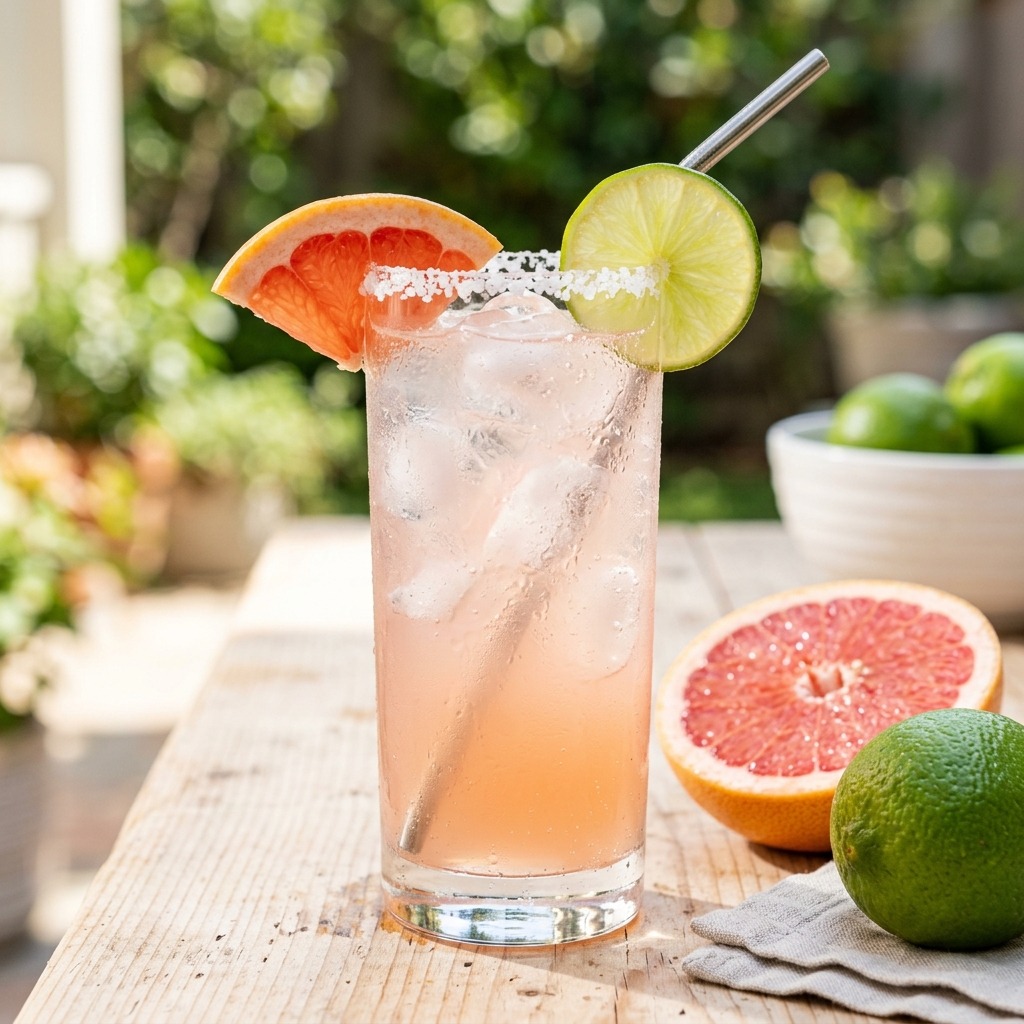
The Paloma is a refreshing Mexican tequila cocktail made with blanco tequila, fresh grapefruit juice, lime juice, and agave nectar. It is topped with sparkling water and served over ice in a salt-rimmed glass. The result is tart, lightly sweet, citrusy, and ready in under 5 minutes.
To make a Paloma, combine 2 oz blanco tequila, 2 oz fresh grapefruit juice, ½ oz lime juice, and ¼ oz agave nectar. Shake with ice, strain into a salt-rimmed glass, and top with 2 oz sparkling water. Garnish with a grapefruit wedge and serve immediately.
The Paloma has long been a favorite tequila cocktail in Mexico. Its grapefruit flavor, light sweetness, and refreshing finish make it a popular alternative to a margarita. Its exact origins remain debated, but the drink has been part of Mexican cocktail culture since the mid-20th century.
Today, the Paloma is enjoyed around the world because it is simple, versatile, and easy to customize. You can make it with fresh grapefruit juice, grapefruit soda, or try variations such as spicy or smoky versions.
What Is in a Traditional Paloma Cocktail?
A traditional Mexican Paloma contains blanco tequila, grapefruit-flavored soda (like Jarritos or Squirt), fresh lime juice, and a pinch of salt. The modern homemade version swaps grapefruit soda for fresh grapefruit juice and sparkling water, giving the drink more depth and less sweetness.
| Component | Traditional Version | Modern Homemade Version |
| Tequila | Blanco | Blanco (recommended) |
| Grapefruit | Grapefruit soda (Jarritos/Squirt) | Fresh juice + sparkling water |
| Sweetener | From the soda | Agave nectar or simple syrup |
| Lime | Fresh lime juice | Fresh lime juice |
| Rim | Salt | Salt or Tajín |
Paloma Drink Recipe Full Ingredients List
| Ingredient | Amount |
| Blanco tequila | 2 oz |
| Fresh grapefruit juice | 2 oz |
| Fresh lime juice | ½ oz |
| Agave nectar or simple syrup | ¼ oz (adjust to taste) |
| Cold sparkling water or club soda | 2 oz |
| Coarse salt (for the rim) | As needed |
| Ice | As needed |
| Grapefruit wedge (garnish) | 1 slice |
Prep time: 5 minutes | Total time: 5 minutes | Servings: 1 | Calories: ~150–180 kcal (fresh juice version)
How Do You Make a Paloma Step by Step?
Salt a glass rim, combine tequila, fresh grapefruit juice, lime juice, and agave nectar in a shaker with ice, shake until cold, strain into the glass over ice, and top with sparkling water. The whole process takes about 5 minutes and requires no special equipment beyond a shaker.
Step-by-Step Instructions
- Prep the glass. Run a grapefruit wedge around the rim of a highball or rocks glass. Dip the moistened rim into a small plate of coarse salt to coat. Fill the glass with ice.
- Juice your citrus. Squeeze one medium grapefruit until you have 2 oz of juice. Juice half a lime for ½ oz. Fresh juice makes a significant difference here bottled juice tends to taste flat.
- Shake it. Add the tequila, grapefruit juice, lime juice, and agave nectar to a cocktail shaker. Fill halfway with ice and shake until the outside of the shaker is frosty, about 20 seconds.
- Strain and top. Pour through a fine-mesh strainer into the prepared glass. Top with 2 oz of cold sparkling water.
- Taste and adjust. Too tart? Add a touch more agave. Too sweet? An extra squeeze of lime does the trick. Too strong? Let the ice melt slightly or add more sparkling water.
- Garnish and serve. Add a fresh grapefruit wedge or slice to the rim and serve immediately.
What Are the Best Variations of a Paloma Cocktail?
The most popular Paloma variations include a Spicy Paloma (jalapeño-infused tequila), a Mezcal Paloma (smoky depth from mezcal), a Tajín Paloma (spiced rim), and a virgin mocktail version for non-drinkers. Each variation builds on the same citrus-forward base while adding a distinct character.
Spicy Paloma
Add 3–4 jalapeño slices to your blanco tequila and let it infuse for 10–15 minutes before mixing. The heat from the jalapeño cuts through the citrus sweetness in a way that's genuinely addictive. Strain out the jalapeños before shaking.
Smoky Mezcal Paloma
Replace blanco tequila with an equal amount of mezcal. The smokiness creates a more complex, layered drink. Because mezcal tends to be bolder, add an extra ¼ oz of agave nectar to keep the balance.
Tajín Paloma
Skip the plain salt rim and use Tajín instead a Mexican chili-lime seasoning that adds a mild spicy kick and a burst of citrus flavor before you even take a sip. This rim pairs particularly well with the spicy variation.
Non-Alcoholic Paloma Mocktail
Replace the tequila with equal parts sparkling water and a splash of white grape juice. Use all the same citrus components and agave nectar. The result is a refreshing, tart mocktail that holds up on its own.
Batch Paloma Recipe (Serves 8)
| Ingredient | Amount |
| Blanco tequila | 2 cups (16 oz) |
| Fresh grapefruit juice | 2 cups (16 oz) |
| Fresh lime juice | ½ cup (4 oz) |
| Agave nectar | 2 oz |
| Sparkling water | Add per glass when serving |
Instructions: Combine tequila, grapefruit juice, lime juice, and agave nectar in a large pitcher. Refrigerate until ready to serve (up to 8 hours). When serving, pour 4 oz of the base mix over a salt-rimmed glass filled with ice, then top each glass with 2 oz sparkling water. Add the sparkling water per glass not to the pitcher to preserve the bubbles.
What Are the Best Tips for Making the Perfect Paloma at Home?
Use fresh-squeezed grapefruit juice, choose a 100% agave blanco tequila, keep all ingredients well chilled, and taste before serving to adjust sweetness. The biggest mistake most home bartenders make is using bottled grapefruit juice or skipping the salt rim entirely.
Selecting the Right Citrus
- Pink or Ruby Red grapefruits are sweeter and more flavorful than white varieties.
- Avoid refrigerator-cold grapefruits when juicing room-temperature citrus yields significantly more juice.
- Roll the grapefruit firmly on the countertop before cutting to break down the membranes.
Choosing the Right Tequila
- Always look for 100% agave on the label avoid mixto tequilas, which contain additives.
- Blanco (silver) tequila is the standard choice: it's unaged, agave-forward, and lets the citrus shine.
- Reposado works if you prefer a slightly oakier, more mellow flavor.
- You don't need an expensive bottle for a mixed cocktail, but you should use a brand you'd drink on its own.
How to Make Homemade Agave Nectar
Combine equal parts raw agave syrup and warm water. Stir until fully dissolved. Store in a sealed jar in the refrigerator for up to 2 weeks. Homemade agave nectar is thinner than straight syrup and blends more easily into cold cocktails.
Glassware Recommendations
- Highball glass the go-to for a tall, ice-heavy Paloma
- Rocks (Old-Fashioned) glass great for a shorter, spirit-forward version
- Margarita glass works beautifully for a dressed-up presentation
Temperature Matters
Chill your glass in the freezer for 10 minutes before making the cocktail. A pre-chilled glass keeps the drink colder longer and maintains carbonation.
How Does a Paloma Compare to a Margarita?
A Paloma uses grapefruit juice as its primary citrus and is topped with sparkling water, making it lighter and less sweet than a margarita. A margarita relies solely on lime juice and is typically sweeter due to triple sec or agave nectar. The Paloma is generally lower in calories and more refreshing.
| Feature | Paloma | Margarita |
| Primary citrus | Grapefruit + lime | Lime only |
| Sweetener | Agave nectar | Triple sec or agave |
| Carbonation | Yes (sparkling water) | No |
| Flavor profile | Tart, bitter, lightly sweet | Sweet, sour, bright |
| Approx. calories | 150–180 kcal | 180–250 kcal |
| Mexican status | National cocktail | Most internationally known |
Can You Make a Paloma Ahead of Time?
Yes. You can prepare the base mix (tequila, grapefruit juice, lime juice, and agave nectar) up to 8 hours in advance and refrigerate it in a covered pitcher. Add sparkling water per glass immediately before serving to preserve carbonation. Do not pre-salt glass rims more than 30 minutes ahead.
Storage tips:
- The base mix without sparkling water keeps in the refrigerator for up to 8 hours.
- Do not freeze the citrus juice separates and loses flavor once thawed.
- Prepared Palomas served over ice begin to dilute after about 20 minutes.
Frequently Asked Questions
What does a Paloma taste like?
A Paloma tastes tart, lightly bitter, and refreshingly citrusy, with a subtle sweetness. The grapefruit provides the dominant flavor, balanced by lime's brightness and tequila's earthy, agave-forward notes.
Is a Paloma stronger than a margarita?
Not typically. A standard Paloma contains the same amount of tequila as a margarita (2 oz), but the addition of sparkling water dilutes it slightly, making it feel lighter and less boozy.
What tequila is best for a Paloma?
Blanco (silver) tequila made from 100% agave is the best choice. Its clean, agave-forward flavor complements the citrus without competing with it. Brands like Espolòn, Fortaleza, or El Jimador all work well at different price points.
Can I use grapefruit soda instead of fresh juice?
Yes. Traditional Mexican Palomas are made with grapefruit soda Jarritos or Squirt are the most common choices. Grapefruit soda makes the drink sweeter and removes the need for agave nectar or sparkling water.
How many calories are in a Paloma?
A fresh-juice Paloma made with 2 oz tequila, 2 oz grapefruit juice, and ¼ oz agave nectar contains approximately 150–180 calories. A version made with grapefruit soda runs closer to 200–220 calories due to the added sugar.
What is the difference between a traditional and homemade Paloma?
A traditional Mexican Paloma uses grapefruit-flavored soda (like Jarritos), lime juice, and tequila. A homemade Paloma swaps the soda for fresh grapefruit juice, sparkling water, and agave nectar giving it a fresher, less sweet flavor.
Can you make a Paloma without a cocktail shaker?
Yes. Simply build the drink directly in your glass: add ice, pour in the tequila, grapefruit juice, lime juice, and agave nectar, stir with a long spoon, then top with sparkling water. The shaker method chills the drink faster, but it's not essential.
What glass should I use for a Paloma?
A highball glass is standard for a Paloma, as it accommodates plenty of ice and the full volume of the drink. A rocks glass works for a shorter, more concentrated version.What is the best non-alcoholic substitute for tequila in a Paloma?
For a mocktail version, replace tequila with equal parts sparkling water and a splash of white grape juice. This preserves the drink's volume and adds subtle sweetness without alcohol.
Can I use bottled grapefruit juice instead of fresh?
You can, but fresh grapefruit juice produces a noticeably better Paloma. Bottled juice is often pasteurized, which dulls its citrus brightness. If using bottled juice, look for 100% grapefruit juice with no added sugar.
- 2 oz blanco tequila
- 2 oz fresh grapefruit juice
- 1/2 oz ½ oz fresh lime juice
- 1/4 oz ¼ oz agave nectar or simple syrup, adjusted to taste
- 2 oz cold sparkling water or club soda
- Coarse salt, as needed for the rim
- Ice, as needed
- 1 grapefruit wedge for garnish
- 1 Prep the glassPrep the glass. Run a grapefruit wedge around the rim of a highball or rocks glass. Dip the moistened rim into a small plate of coarse salt to coat. Fill the glass with ice.
- 2
juice your citrusJuice your citrus. Squeeze one medium grapefruit until you have 2 oz of juice. Juice half a lime for ½ oz. Fresh juice makes a significant difference here bottled juice tends to taste flat.- 3
shakeShake it. Add the tequila, grapefruit juice, lime juice, and agave nectar to a cocktail shaker. Fill halfway with ice and shake until the outside of the shaker is frosty, about 20 seconds.- 4
strainStrain and top. Pour through a fine-mesh strainer into the prepared glass. Top with 2 oz of cold sparkling water.- 5
Taste and adjustTaste and adjust. Too tart? Add a touch more agave. Too sweet? An extra squeeze of lime does the trick. Too strong? Let the ice melt slightly or add more sparkling water.- 6
GarnishGarnish and serve. Add a fresh grapefruit wedge or slice to the rim and serve immediately. - 2