
Virgin Piña Colada Recipe – Creamy, Cool & Alcohol-Free
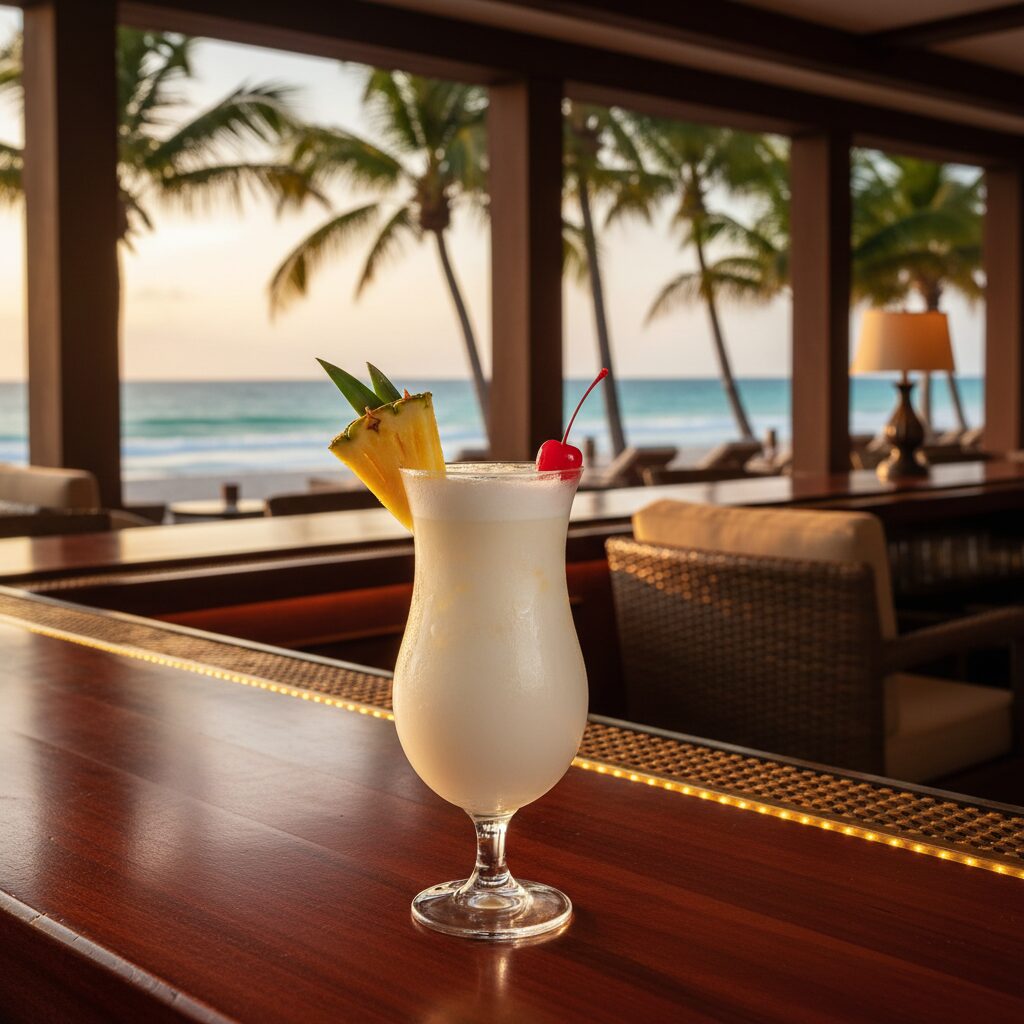
The piña colada is arguably the most recognizable tropical drink in the world. While the classic version relies on rum to provide a kick, the virgin piña colada recipe stands entirely on its own as a complex, refreshing beverage suitable for all ages.
It offers the same rich, creamy texture and vibrant pineapple flavor without the alcohol, making it a perfect choice for midday refreshments, family gatherings, or designated drivers.
Creating a restaurant-quality mocktail at home requires more than just throwing ingredients into a blender.
Origin and History of the Piña Colada
Before mastering the recipe, it is helpful to understand the drink's roots. The piña colada (Spanish for "strained pineapple") hails from San Juan, Puerto Rico.
Its invention is a subject of debate, with three main bartenders claiming the title.
The most widely accepted origin story credits Ramón “Monchito” Marrero, a bartender at the Caribe Hilton, who reportedly spent three months capturing the essence of Puerto Rico in a glass before debuting the drink in 1954.
Another contender, Ricardo García, also from the Caribe Hilton, claimed a similar timeline. A third claim comes from Ramón Portas Mignot of the Barrachina restaurant, who allegedly created it in 1963.
Regardless of the specific creator, the cocktail was officially declared the national drink of Puerto Rico in 1978.
While the original always included rum, the non-alcoholic version has become a staple on menus globally, celebrated for its ability to deliver a tropical experience without intoxication.
Understanding the Ingredients: The Coconut Debate
The most common mistake when making a virgin piña colada recipe is selecting the wrong coconut ingredient.
Grocery store shelves offer coconut water, coconut milk, coconut cream, and coconut cream. These are not interchangeable.
To achieve the correct flavor profile, you must understand the differences:
| Ingredient Type | Consistency | Sweetness | Best Use |
| Cream of Coconut | Thick, syrupy | Very High (Added Sugar) | Essential for Piña Coladas. This provides the classic sweetness and texture. (e.g., Coco Lopez). |
| Coconut Cream | Thick, paste-like | Low (Natural) | Curry, savory dishes, or unsweetened keto drinks. Lacks the sugar needed here. |
| Coconut Milk | Liquid/Runny | Low | Soups or cereal. Too thin for a frozen slush texture. |
| Coconut Water | Thin/Clear | Very Low | Hydration. Will dilute the drink significantly. |
Expert Tip: If you cannot find Cream of Coconut, you can emulate it by blending full-fat canned coconut milk with simple syrup, though the texture may be slightly less viscous.
Classic Virgin Piña Colada Recipe
This recipe replicates the standard 1950s blended style. It focuses on the "Holy Trinity" of the mocktail: Pineapple Juice, Cream of Coconut, and Ice.
Prep time: 5 minutes
Servings: 2 (12 oz each)
Calorie count: ~350-420 kcal per serving
Ingredients
- Frozen Pineapple Chunks: 1 ½ cups (Using frozen fruit reduces the need for ice, preventing dilution).
- Pineapple Juice: 6 oz (Unsweetened, 100% juice).
- Cream of Coconut: 4 oz (Must be "Cream of Coconut," not coconut milk).
- Fresh Lime Juice: ½ oz (The acidity cuts through the heavy sugar and fat).
- Ice: 1 cup (Adjust based on desired thickness).
- Garnish: Fresh pineapple wedge and a maraschino cherry.
Instructions
1. Prepare the Base
Place the frozen pineapple chunks and ice into a high-powered blender. Putting the hard ingredients in first ensures they are near the blades for a smoother crush.
2. Add Liquids
Pour in the pineapple juice, cream of coconut, and fresh lime juice.
3. Blend
Blend on high speed for 30 to 45 seconds. The mixture should be pale, creamy, and completely smooth. If the blender blades get stuck, stop the machine and stir, or add a splash more pineapple juice.
Do not over-blend, or the heat from the motor will melt the drink.
4. Taste Test
Dip a spoon in to taste. If it is too sweet, add a squeeze more lime. If it is too tart, add a teaspoon more cream of coconut.
5. Serve
Pour immediately into hurricane glasses. Garnish with a pineapple wedge and cherry.
Variations and Serving Styles
While the blended version is standard, different cultures and dietary needs have influenced how this drink is served.
The "Shaken" Colada (On the Rocks)
For those who do not want a slushie texture or lack a blender, the shaken method is a sophisticated alternative.
- Method: Combine 3 oz pineapple juice, 2 oz coconut milk (not cream of coconut), and 1 oz simple syrup in a shaker with ice. Shake vigorously until frothy and strain over fresh ice cubes.
- Profile: Lighter, less calorie-dense, and faster to prepare.
The "Skinny" Colada
- Modification: Replace Cream of Coconut with Coconut Water and a dash of coconut extract. Sweeten with stevia or agave syrup.
- Profile: Significantly lower in calories and sugar, though it lacks the signature creamy mouthfeel.
Cost Analysis: Homemade vs. Café (2026 Data)
Making mocktails at home is generally more cost-effective than purchasing them at a bar or cafe.
Below is a breakdown of estimated costs based on 2026 grocery and menu prices.
Note: Prices are estimates based on US national averages for mid-tier grocery brands.
| Item | Unit Price (Store) | Cost Per Serving (Home) | Café/Bar Price |
| Cream of Coconut | $4.50 (15 oz can) | $1.20 | N/A |
| Pineapple Juice | $5.50 (46 oz can) | $0.72 | N/A |
| Frozen Pineapple | $4.00 (16 oz bag) | $1.50 | N/A |
| Total Cost | $14.00 (Basket) | ~$3.42 | $8.00 - $12.00 |
By making this at home, you save approximately 60% to 70% per drink compared to restaurant pricing.
Nutritional Profile and Caffeine Content
A common misconception is that because it is a fruit drink, it is low in calories.
The virgin piña colada recipe is energy-dense due to the sugar content in the cream of coconut and the natural sugars in the pineapple.
Nutritional Values per 12 oz serving
- Calories: 420 kcal
- Caffeine: 0 mg (Naturally caffeine-free)
- Carbohydrates: 55g
- Sugars: 48g
- Fat: 18g (Saturated fat from coconut)
- Protein: 2g
Dietary Note: This drink is naturally gluten-free. It can be vegan if the cream of coconut brand used does not contain emulsifiers derived from animal products (most major brands like Coco Lopez are vegan).
Frequently Asked Questions
Is cream the same as condensed milk?
No. Sweetened condensed milk is a dairy product made from cow's milk. Coconut cream is made from coconut meat and sugar. However, they share a similar thick, syrupy consistency and are used similarly in desserts.
Is this drink safe for children?
Yes, the virgin piña colada contains zero alcohol and zero caffeine. However, due to the high sugar content, it should be treated as a dessert rather than a juice drink.
Final Thoughts
Whether you are looking for a dessert replacement, a kid-friendly party drink, or a caffeine-free afternoon pick-me-up, this blend of pineapple and coconut delivers.
By adhering to the correct ingredients, specifically the cream of coconut, and following the blending ratios provided, you can ensure a texture and taste that rivals any high-end resort.
- 1 1/2 cups Frozen Pineapple Chunks . (Using frozen fruit reduces the need for ice, preventing dilution)
- 6 oz Pineapple Juice . (Unsweetened, 100% juice)
- 4 oz Cream of Coconut . (Must be "Cream of Coconut," not coconut milk)
- ½ oz Fresh Lime Juice . (The acidity cuts through the heavy sugar and fat)
- 1 cup Ice . (Adjust based on desired thickness)
- Garnish . (Fresh pineapple wedge and a maraschino cherry)
- 1 Prepare the Base
Place the frozen pineapple chunks and ice into a high-powered blender. Putting the hard ingredients in first ensures they are near the blades for a smoother crush.
- 2
Add LiquidsPour in the pineapple juice, cream of coconut, and fresh lime juice.
- 3
BlendBlend on high speed for 30 to 45 seconds. The mixture should be pale, creamy, and completely smooth. If the blender blades get stuck, stop the machine and stir, or add a splash more pineapple juice.
- 4
TasteTest Dip a spoon in to taste. If it is too sweet, add a squeeze more lime. If it is too tart, add a teaspoon more cream of coconut.
- 5
ServePour immediately into hurricane glasses. Garnish with a pineapple wedge and cherry.
- 2