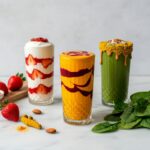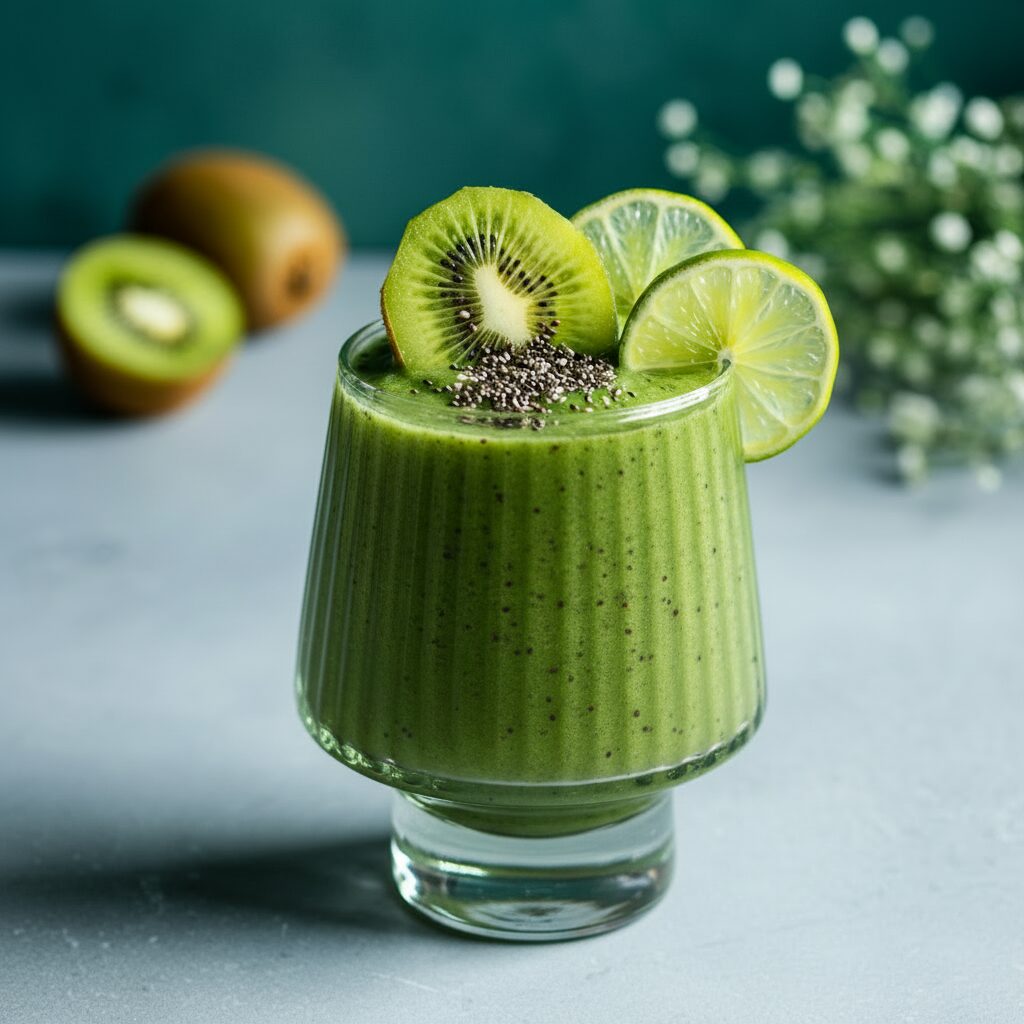
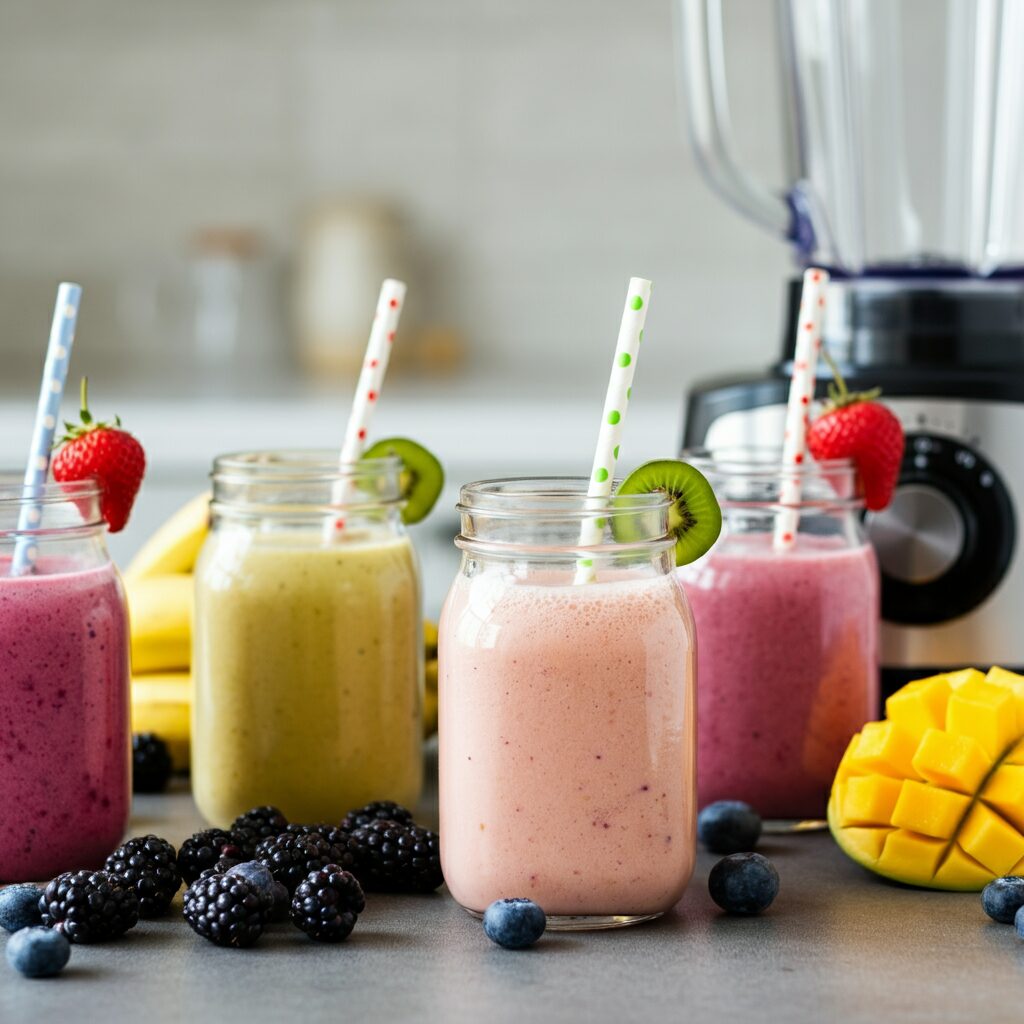
Smoothies are often marketed as the epitome of health, but anyone who has glanced at the nutrition label of a store-bought bottle knows the reality can be quite different.
A commercially prepared mango smoothie can contain more sugar than a can of soda, while a homemade version might lack the protein needed to keep you full past 10 a.m.
The Nutritional Breakdown: What’s Actually in Your Glass?
Not all smoothies are created equal. The difference between a “sugar bomb” and a “nutritional powerhouse” lies in the ratios of fruit, liquid, and boosters.
Below is a breakdown of nutritional values for a standard homemade smoothie compared to common commercial options.
Homemade vs. Store-Bought (16 oz / 475 ml serving)
| Component | Homemade Berry & Spinach | Chain Café Fruit Blend | Bottled Supermarket Smoothie |
| Calories | 320 – 380 | 450 – 550 | 280 – 340 |
| Sugar (g) | 18g (Natural) | 60g+ (Added syrups) | 50g (Concentrates) |
| Protein (g) | 15 – 20g | 2 – 4g | 1 – 3g |
| Fiber (g) | 8 – 10g | < 1g | 0 – 2g |
| Cost (Est) | $2.50 – $3.50 | $6.95 – $8.50 | $4.00 – $5.50 |
Note: Homemade estimates assume a base of Greek yogurt, spinach, frozen berries, and protein powder. Chain Café estimates include fruit puree bases and sweetened juices.
The Sugar Trap
Fruit naturally contains fructose. When you eat whole fruit, the fiber slows down sugar absorption, preventing insulin spikes.
However, many recipes call for fruit juice (orange or apple) as the liquid base. This doubles the sugar load without adding fiber.
- Better Choice: Use water, unsweetened almond milk, or coconut water as your liquid base to keep the glycemic index lower.
Liquid Bases: Texture and Taste Impact
The liquid you choose dictates the creaminess and calorie count of your smoothie. Here is how popular options compare:
Dairy Milk (Whole/2%)
Creates the creamiest texture and provides calcium and protein. It can feel heavy and increases calorie count significantly.
Oat Milk
Offers a rich, creamy texture similar to dairy but is higher in carbohydrates. It has a mild, sweet flavor that pairs well with berries.
Almond Milk (Unsweetened)
The industry standard for low-calorie blending (approx. 30-40 calories per cup). It is thin and nutty, requiring frozen fruit or bananas to thicken the texture.
Coconut Water
High in electrolytes like potassium, making it excellent for post-workout hydration. It adds a distinct tropical flavor but offers a thinner consistency.
Green Tea
An excellent zero-calorie base that adds antioxidants and a slight caffeine boost (approx. 30mg per cup).
The Temperature and Texture Debate: Fresh vs. Frozen
A common question among home blenders is whether to use fresh or frozen produce.
Frozen Fruit:
- Texture: Acts as the ice element, creating a thick, milkshake-like consistency without watering down the flavor.
- Nutrition: Often flash-frozen at peak ripeness, retaining vitamins that fresh fruit might lose during transport and storage.
- Cost: Generally cheaper per pound and prevents food waste.
Fresh Fruit:
- Texture: Results in a thinner, more juice-like consistency. You will likely need to add ice cubes.
- Flavor: Can be superior if the fruit is locally sourced and in season (e.g., summer strawberries or peaches).
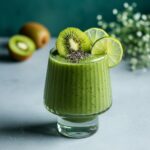
- Enzymes: Fresh pineapple and kiwi contain enzymes (bromelain and actinidin) that can break down dairy proteins and turn a smoothie bitter if left to sit for too long.
Verdict: For the best consistency and value, use a ratio of 70% frozen fruit to 30% fresh fruit (or leafy greens).
3 Nutrient-Dense Recipes for Every Goal
These recipes are designed to fill specific nutritional gaps, moving beyond simple “fruit and juice” combinations.
1. The High-Protein Breakfast (The “Satiety Saver”)
Best for: Keeping you full until lunch.
- Liquid: 1 cup Unsweetened Soy Milk (high protein)
- Base: ½ cup Greek Yogurt (Plain, non-fat)
- Fruit: 1 cup Frozen Mixed Berries
- Fat/Fiber: 1 tbsp Chia Seeds
- Booster: 1 scoop Vanilla Whey or Pea Protein
- Greens: 1 handful Spinach (flavorless when blended)
2. The Post-Workout Recovery (The “Glycogen Refuel”)
Best for: Replenishing muscles after exercise.
- Liquid: 1 cup Coconut Water (electrolytes)
- Fruit: 1 Frozen Banana (fast-digesting carbs)
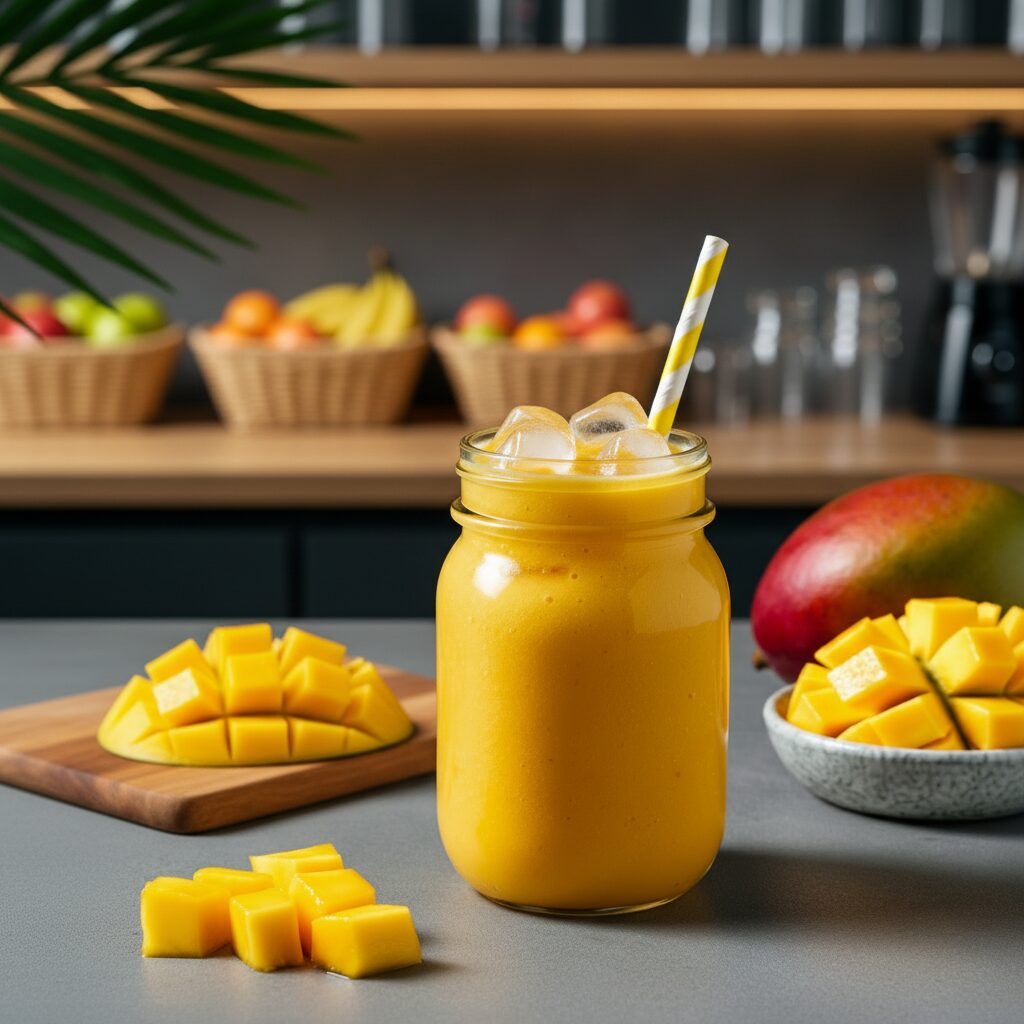
- Fruit: ½ cup Frozen Mango
- Protein: ½ cup Silken Tofu (makes it incredibly creamy without dairy flavor)
- Spice: ¼ inch Fresh Ginger (anti-inflammatory)
3. The Low-Calorie “Green” Glow
Best for: A nutrient hit without the sugar spike.
- Liquid: 1 cup Water + Juice of ½ Lemon
- Fruit: ½ Green Apple (lower sugar than red apples)
- Fruit: ½ cup Frozen Pineapple chunks
- Vegetable: ½ Cucumber (hydrating and volumizing)
- Greens: 1 cup Kale or Spinach
- Fat: ¼ Avocado (adds creaminess without banana)
Cost Analysis: Home Blending vs. Café Chains
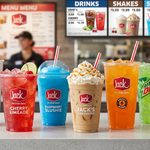
Smoothies have become a luxury item at coffee chains and juice bars, with prices steadily rising.
Chain Pricing (2025 Estimates):
- Jamba / Smoothie King (USA): $7.50 – $11.00 USD
- Starbucks (USA – blended drinks): $5.95 – $7.25 USD
- Booster Juice (Canada): $7.50 – $9.50 CAD
- Joe & The Juice (UK/EU): £7.00 – £9.00 GBP
Home Brewing Cost:
Buying bulk frozen fruit ($10-12 for 3lbs) and protein powder reduces the cost per serving significantly.
- Average Cost Per Homemade Serving: $1.85 – $3.25 USD (depending on protein powder quality).
Savings: Making a smoothie at home five days a week saves approximately $1,300 USD per year compared to buying daily from a chain.
Choosing the Right Blend for You
Ultimately, the “best” smoothie depends on your lifestyle needs. If you are monitoring calorie intake, avoid nut butters and stick to water or almond milk bases.
If you need a meal replacement, fat and protein sources like avocado and Greek yogurt are non-negotiable.
By controlling the ingredients, you transform a sugary treat into a functional fuel source that benefits your health and your wallet.

Naeem is a passionate drink enthusiast and recipe curator behind DrinkWhisper.com. With 10 years of exploring cafes, bars, and home mixology trends, he shares inspiring drinks, creative cocktails, and refreshing non alcoholic recipes for every occasion.