As temperatures rise, few beverages offer the immediate cooling relief of a frozen drink.
While convenience stores and fast-food chains have capitalized on this for decades with neon-colored, high-sugar concoctions, the homemade pineapple slush has emerged as a superior alternative.
It offers the perfect balance of tropical flavor, nutritional control, and cost-effectiveness.
Whether you are seeking a healthy, single-ingredient refresher or a nostalgic, sugary treat reminiscent of childhood summers, mastering the pineapple slush at home is surprisingly simple.
Why Choose Homemade Over Commercial Slushes?
Before diving into recipes, it is important to understand why the shift toward homemade versions is occurring.
Commercial slushies, such as the iconic 7-Eleven Slurpee or Sonic Slush, rely heavily on high-fructose corn syrup, artificial dyes (like Yellow 5), and preservatives to maintain their consistency and color.
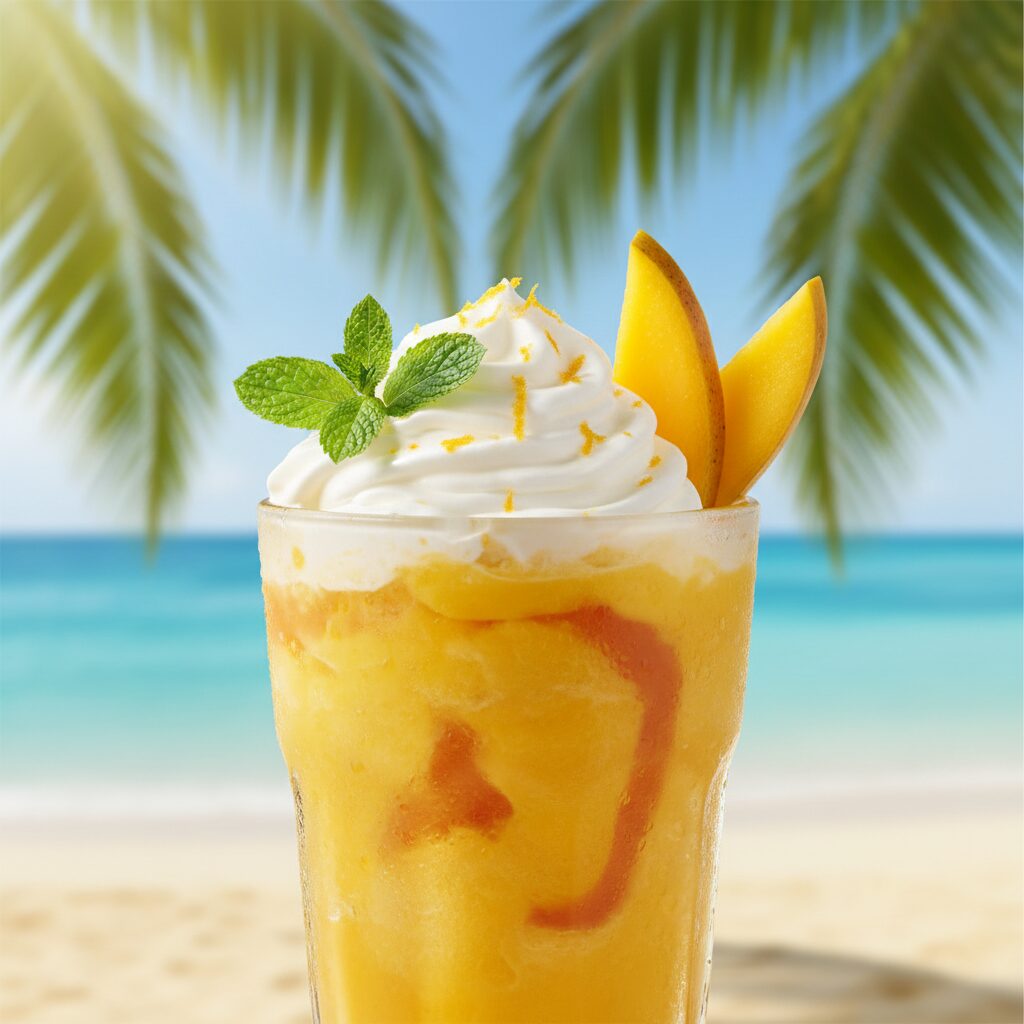
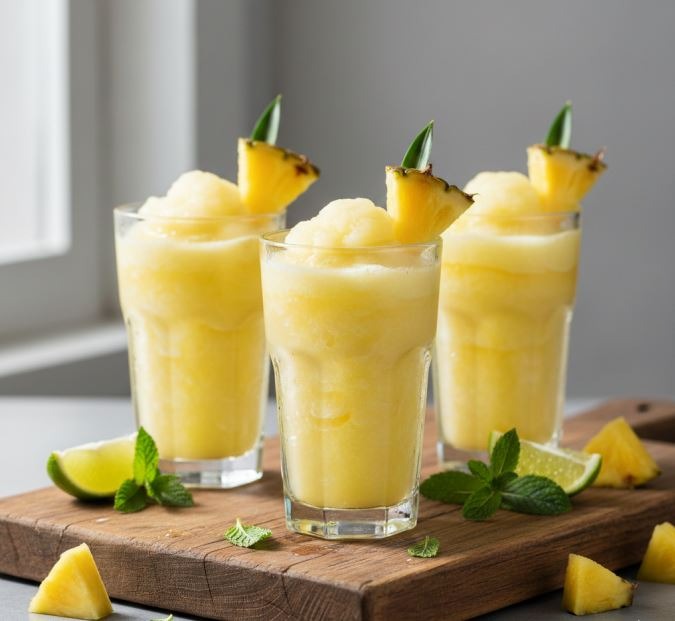
Homemade pineapple slush
Conversely, a homemade pineapple slush puts the creator in control. You dictate the sweetness level, the source of the sugar (natural fruit fructose vs. processed syrup), and the texture.
Furthermore, for those with dietary restrictions, such as vegan, gluten-free, or dairy-free requirements, a homemade version eliminates the risk of cross-contamination often found in commercial machines.
Core Recipe Variations
There are two distinct schools of thought regarding the pineapple slush: the “Fruit-Forward” method and the “Nostalgic Syrup” method.
1. The Fruit-Forward Method (Health-Conscious)
This method relies on the fiber and pectin naturally present in the fruit to create a creamy, icy texture without artificial thickeners.
It is the preferred method for those seeking a nutrient-dense beverage.
Ingredients
Frozen pineapple chunks, chilled liquid (coconut water or pineapple juice), lime juice.
Method
The key here is using frozen fruit. Blending room-temperature fruit with ice often results in a watery drink where the ice separates from the pulp.
By freezing the pineapple chunks beforehand, the fruit itself becomes the ice, yielding a smooth, sorbet-like consistency that does not dilute as it melts.
2. The Nostalgic Syrup Method (Texture-Focused)
This variation mimics the texture of a gas station slushie. It typically uses a sugar syrup base mixed with ice and fruit concentrates.
Ingredients
Granulated sugar, hot water (to make simple syrup), frozen lemonade concentrate, pineapple juice, ice.
Method
This involves creating a supersaturated sugar solution. The high sugar content actually lowers the freezing point of the water, preventing the mixture from freezing into a solid block of ice.
This allows for that classic, scoopable “slush” texture that can be eaten with a spoon.
Step-by-Step Preparation Guide
To achieve the perfect consistency, technique is just as important as the ingredients.
Sourcing and Prep
Fresh vs. Canned
Fresh pineapple offers a vibrant, acidic kick that canned pineapple lacks due to the pasteurization process. However, canned pineapple in 100% juice is a viable, budget-friendly alternative.
Freezing
If using fresh pineapple, cut it into small, 1-inch cubes. Arrange them in a single layer on a parchment-lined baking sheet to freeze.
This prevents the chunks from clumping together into an unmanageable brick.
The Blending Technique
The most common mistake when making a pineapple slush is over-blending.
Liquid First
Always add your liquid (juice or water) to the blender closest to the blades.
Pulse, Don’t Puree
Use the “pulse” function rather than a continuous blend. Continuous blending generates heat from the motor, which melts the ice rapidly, turning your slush into a smoothie or juice.
Pulsing breaks down the ice or frozen fruit into small crystals, maintaining the “slush” structure.
Tamping
If you have a high-powered blender, use the tamper to push ingredients down toward the blades between pulses.
Commercial vs. Homemade: A Cost and Nutritional Analysis
Consumers often underestimate the markup associated with frozen beverages at chains. Below is a breakdown comparing a standard homemade pineapple slush against popular commercial options.
Cost Comparison (Per 16 oz Serving)
| Product | Estimated Price (USD) | Primary Cost Driver |
| 7-Eleven Slurpee | $2.29 – $2.79 | Branding, cups, machine maintenance |
| Sonic Drive-In Slush | $2.99 – $3.49 | Labor, real estate, packaging |
| Homemade (Fresh) | $0.75 – $1.00 | Cost of fresh fruit |
| Homemade (Canned) | $0.50 – $0.70 | Cost of canned goods |
Note: Prices vary by region and season. Homemade estimates assume purchasing a whole pineapple at approx. $3.50, yielding 4 servings.
Nutritional Comparison (Per 16 oz Serving)
| Nutrient | Commercial Slush | Homemade (Fruit-Forward) |
| Calories | 220 – 280 kcal | 130 – 150 kcal |
| Total Sugar | 60g – 75g (Added Sugar) | 25g – 30g (Natural Fructose) |
| Fiber | 0g | 2g – 4g |
| Caffeine | 0mg* | 0mg |
| Ingredients | Carbonated water, HFCS, Artificial Flavor | Pineapple, Water/Juice, Lime |
Flavor Variations and Modifications
Once you have mastered the base recipe, the pineapple slush serves as an excellent canvas for flavor experimentation.
1. The Spicy Kick (Green Chilli & Pineapple)
Inspired by South Asian and Latin American flavor profiles, adding heat to the sweet pineapple creates a complex, refreshing drink.
- Add: A small slice of jalapeño or a pinch of cayenne pepper into the blender.
- Why it works: The capsaicin in the pepper triggers a cooling response in the body, making this doubly effective in high heat.
2. The Creamy Tropical (Pina Colada Style)
For a richer mouthfeel without dairy.
- Add: Full-fat coconut milk or coconut cream instead of water.
- Texture: This results in a texture closer to a soft-serve sorbet than an icy slush.
3. The “Grown-Up” Slush
Pineapple pairs exceptionally well with spirits for a frozen cocktail.
- Add: 1.5 oz of White Rum or Vodka per serving.
- Tip: Alcohol acts as antifreeze. If you add too much alcohol, the mixture will melt very quickly. It is best to blend the fruit base first, then stir in the alcohol at the very end.
Final Thoughts
The pineapple slush is more than just a sweet treat; it is a versatile beverage that can be adapted to suit any lifestyle.
By understanding the mechanics of freezing and blending, you can produce a beverage that rivals any commercial machine at a fraction of the cost and calorie count.

Naeem is a passionate drink enthusiast and recipe curator behind DrinkWhisper.com. With 10 years of exploring cafes, bars, and home mixology trends, he shares inspiring drinks, creative cocktails, and refreshing non alcoholic recipes for every occasion.