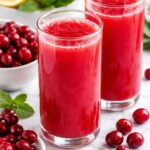

If you have only ever tasted bottled pomegranate juice, you might be surprised by the fresh version.
While commercial options are often dark, heavy, and syrupy, fresh pomegranate juice is vibrant magenta, light, and possesses a delicate floral sweetness that pasteurization often removes.
Making this antioxidant-rich drink at home allows you to control the quality, eliminate preservatives, and often save money when the fruit is in season.
Whether you are looking to boost your potassium intake or simply want a refreshing drink, extracting the juice yourself is a straightforward process that yields superior results.
Why Choose Fresh Over Bottled?
Before discussing the method, it is important to understand the differences between the fruit you juice at home and the bottles on the shelf.
| Feature | Fresh Homemade Juice | Commercial (Store-Bought) |
| Taste Profile | Light, tart-sweet, floral notes | Heavy, molasses-like, often bitter |
| Color | Bright Pink/Magenta | Dark Maroon/Brown |
| Processing | Raw, enzymatic activity intact | Pasteurized (cooked), from concentrate |
| Additives | None | May contain added sugar or preservatives |
Preparation: Preventing the Mess
Pomegranate juice contains tannins and pigments that stain surfaces and clothing immediately. Before beginning, ensure you:
- Wear an apron or dark clothing.
- Use a plastic cutting board (wood will absorb the dye).
- Have a large bowl of water ready for deseeding.
The Blender Method: Step-by-Step
The most efficient way to juice pomegranates without a specialized citrus press is using a standard blender. This method balances yield with speed.
1. Deseed Underwater
Slice the crown off the pomegranate and score the skin into four sections. Submerge the fruit in a large bowl of cool water.
Gently pry the sections apart and use your thumbs to roll the arils (seeds) out of the pith. The arils will sink, while the white membrane floats. Skim off the floating membrane and drain the water.
2. Pulse Gently
Place the arils into a blender. This is the most critical step: Pulse the blender gently 2–3 times. You want to break the red juice sacs without crushing the white seeds inside.
Crushed seeds release bitter tannins that will ruin the flavor of your juice and turn it cloudy.
3. Strain and Press
Pour the mixture through a fine-mesh sieve or cheesecloth over a bowl. Use a rubber spatula to press the pulp against the mesh to extract every drop of liquid.
4. Serve or Store
The resulting juice should be consumed immediately for the best flavor, or refrigerated in an airtight container for up to 5 days.
Nutrition and Cost Comparison
Understanding the nutritional profile and cost effectiveness helps in deciding whether to juice at home or buy from the store.
Yield Estimates
- 1 large pomegranate ≈ ½ cup of juice.
- 5–6 large pomegranates ≈ 4 cups (1 quart) of juice.
Nutritional Profile (Per 8 oz / 1 Cup Serving)
Based on USDA data and standard homemade yields:
- Calories: ~136 kcal
- Total Sugar: ~31g (Naturally occurring fructose/glucose)
- Potassium: ~530mg
- Caffeine: 0mg (Naturally caffeine-free)
- Vitamin C: ~0.5mg (Amounts vary by freshness)
Cost Analysis
Store-Bought
A premium 16 oz bottle (e.g., POM Wonderful) typically costs around $3.00 to $4.00, averaging $0.19–$0.25 per ounce.
Homemade
When pomegranates are in season (typically late autumn), they can cost between $1.50 and $2.50 per fruit. If one fruit yields 4 oz, the cost is approximately $0.37–$0.60 per ounce.
Verdict
Homemade is often more expensive per ounce than mass-produced juice, but the premium cost pays for a raw, unpasteurized product that cannot be bought in supermarkets.
Frequently Asked Questions
Can I freeze fresh pomegranate juice?
Yes. If you have a surplus of fruit, you can freeze the juice in an airtight container or ice cube trays for up to 6 months. Leave about an inch of space at the top of the jar for expansion.
Is it safe for people with kidney disease?
Pomegranate juice is high in potassium (approx. 530mg per cup). Individuals with chronic kidney disease (CKD) or those on potassium-restricted diets should consult their doctor before consuming it to avoid hyperkalemia.
How do I get rid of the bitter taste?
Bitterness usually comes from blending too long or at too high a speed, which pulverizes the white inner seed.
To fix this in the future, use short, 1-second pulses. If your current batch is bitter, adding a splash of sparkling water or orange juice can help mask the tannins.
Can I use the leftover pulp?
The pulp consists mostly of the hard white seeds. While edible and full of fiber, they are tough and generally unpleasant to eat after juicing. Most home cooks compost them.
Final Thought
While buying a bottle from the store is convenient, making pomegranate juice at home offers a culinary experience that commercial brands cannot replicate.
The vibrant color and fresh, tart flavor make the effort of deseeding worth it. For the best value, wait until the fruit is at the height of its season in late autumn.

Naeem is a passionate drink enthusiast and recipe curator behind DrinkWhisper.com. With 10 years of exploring cafes, bars, and home mixology trends, he shares inspiring drinks, creative cocktails, and refreshing non alcoholic recipes for every occasion.