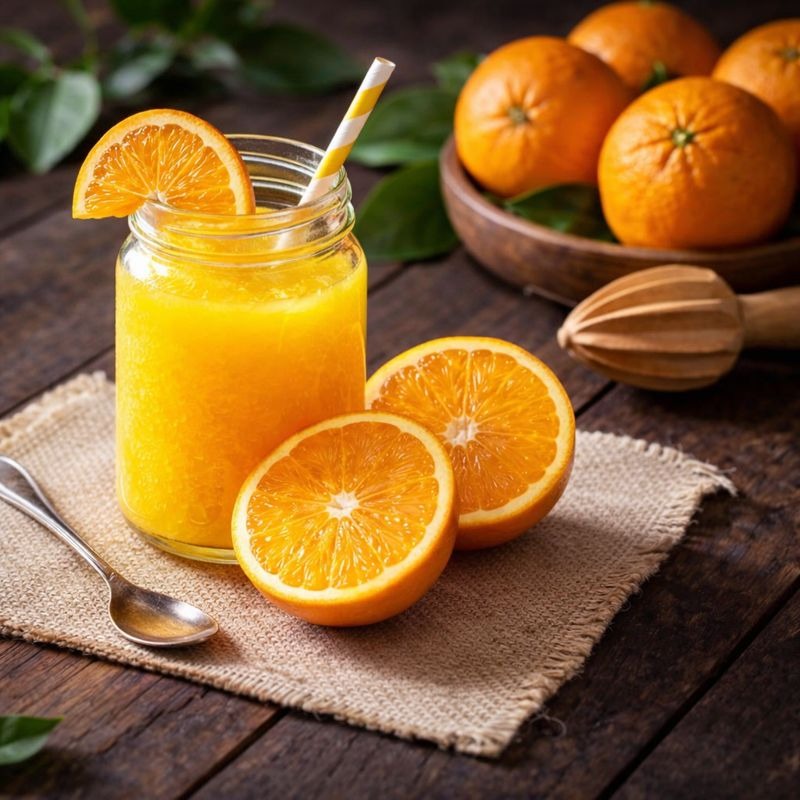
It’s the bright, sunny staple of breakfast tables worldwide. Whether it’s freshly squeezed at a café or poured from a carton at home, orange juice is often hailed as liquid sunshine.
But beyond its reputation as a Vitamin C powerhouse, there is a complex world of varieties, nutritional nuances, and economic factors that shape what ends up in your glass.
A Brief History of Liquid Sunshine
While oranges have been cultivated for thousands of years, orange juice as a mass-market commodity is a relatively modern invention.
Historically, oranges were eaten whole or squeezed immediately before consumption because the juice spoiled quickly.
The game-changer arrived in the late 1940s. During World War II, the U.S. government sought a way to provide Vitamin C to troops overseas without the fruit rotting.
Scientists in Florida developed a method to evaporate water from the juice without destroying its flavor, creating Frozen Concentrated Orange Juice (FCOJ).
This innovation transformed the industry, allowing orange juice to be stored, shipped, and enjoyed year-round, eventually leading to the ready-to-drink cartons we see in supermarkets today.
Nutritional Breakdown: What’s in Your Glass?
Orange juice is nutrient-dense, but it is also concentrated in natural sugars. Understanding the nutritional profile per standard serving can help you fit it into a balanced diet.
Nutrition per 8 oz (240 ml) Cup
| Nutrient | Amount | % Daily Value (DV)* |
| Calories | 110 – 120 | – |
| Carbohydrates | 26 – 28g | 9% |
| Total Sugars | 21 – 24g | – |
| Protein | 2g | 4% |
| Fat | 0g | 0% |
| Vitamin C | 72 – 124mg | 80 – 138% |
| Potassium | 450 – 496mg | 10 – 14% |
| Folate (B9) | 40 – 60mcg | 10 – 15% |
| Caffeine | 0mg | – |
Percent Daily Values are based on a 2,000-calorie diet. Values may vary slightly by brand and variety (e.g., fortified options).
Does Orange Juice Have Caffeine?
Unlike tea or coffee, orange juice is naturally caffeine-free. This makes it an excellent energy source for those sensitive to stimulants, relying instead on natural fructose for a quick metabolic boost.
Navigating the Types: Which Orange Juice is Best?
Not all orange juice is created equal. The processing method significantly impacts taste, texture, price, and shelf life.
| Type | How It’s Made | Taste & Texture | Best For… |
| Freshly Squeezed | Oranges are pressed immediately before serving. Unpasteurized. | Bright, floral, acidic, and pulpy. Lasts only 2-3 days. | Flavor purists and home enjoyment. |
| Not From Concentrate (NFC) | Pasteurized and de-aerated (oxygen removed) for storage, then packaged. Often uses “flavor packs” to restore aroma. | Smooth, consistent flavor. Less complex than fresh. | Convenience without the “processed” taste of concentrate. |
| From Concentrate (FCOJ) | Water is evaporated to make a syrup, frozen, then rehydrated later. | Sweeter, thicker, sometimes slightly “cooked” flavor. | Budget-conscious shoppers and baking. |
| Cold-Pressed | Hydraulic press extracts juice without heat; high-pressure processing (HPP) extends shelf life. | Very close to fresh-squeezed; retains more delicate nutrients. | Health enthusiasts willing to pay a premium. |
| Fortified | Commercial juice with added nutrients like Calcium and Vitamin D. | Same as NFC or Concentrate, sometimes slightly chalky. | Those needing extra bone-health nutrients. |
Comparison: Pulp vs. No Pulp
- Pulp: Contains juice vesicles (bits of the fruit flesh). It offers more texture and a slight increase in fiber, though not as much as eating a whole orange.
- No Pulp: Filtered to be completely smooth. Often preferred by children or for use in cocktails like Mimosas.
Price Watch: Supermarket vs. Coffee Chains
The cost of orange juice has fluctuated due to weather events and crop diseases (like citrus greening) affecting supply. Here is what you can expect to pay in the current market.
Grocery Store Averages (US)
- Frozen Concentrate (12 oz can): $4.00 – $4.50
- Carton (52 oz, Not From Concentrate): $4.50 – $6.50
- Premium Cold-Pressed (12 oz bottle): $5.00 – $7.00
Coffee Chain Pricing
Ordering a glass of OJ at a cafe often comes with a significant markup, especially for branded bottled varieties.
- Starbucks (Evolution Fresh, 11 oz bottle): Approx. $4.95 – $5.45
- Dunkin‘ (Bottled/Cup): Approx. $2.99 – $3.50 (varies by location)
- Jamba (Fresh Orange Juice, 16 oz): Approx. $7.50 – $8.50
- Local Cafés (Fresh Squeezed, 12 oz): Approx. $6.00 – $9.00
Serving Styles and Pairings
Traditional Breakfast
The classic serving is a chilled 8 oz glass alongside eggs and toast. The acidity cuts through fatty foods like bacon or buttered toast, cleansing the palate.
The Modern Wellness Shot
In the health community, orange juice is increasingly mixed with potent ingredients.
- OJ + Turmeric + Ginger: An anti-inflammatory powerhouse.
- OJ + Spinach: Vitamin C helps absorption of iron from leafy greens in smoothies.
Coffee Shop Culture
While coffee is the main event, orange juice holds a specific role in café culture.
- Espresso and OJ: A trendy combination where a shot of espresso is poured over ice and orange juice (sometimes called “Bumble Coffee”). The acidity of the juice highlights the fruity notes in light-roast espresso.
Comparison: Orange Juice vs. Whole Oranges
Is drinking the juice the same as eating the fruit? Not quite.
Fiber
A whole orange contains about 3-4g of fiber, while juice has 0.5g or less. Fiber slows sugar absorption and aids digestion.
Satiety
Liquids are less filling than solid food. You might drink the juice of 3 oranges in seconds, but eating 3 oranges would take time and make you feel full.
Convenience
Juice wins on speed, making it easier to get daily vitamins on the go.
Verdict: Choose whole fruit for fiber and weight management; choose juice for quick energy and athletic recovery (glycogen replenishment).
Frequently Asked Questions
Is orange juice good for you?
Yes, in moderation. It is an excellent source of Vitamin C and potassium. However, because of its high sugar content, it is best consumed in smaller portions (4-8 oz) rather than as a primary hydration source.
Why does orange juice taste bad after brushing teeth?
Toothpaste contains sodium lauryl sulfate (SLS), a foaming agent. SLS temporarily suppresses your “sweet” taste receptors and destroys phospholipids that inhibit bitterness.
This makes the orange juice taste unsweetened and extremely acidic/bitter.
How long does fresh-squeezed orange juice last?
Freshly squeezed juice is unpasteurized and should be consumed within 24 to 48 hours. Store-bought, pasteurized juice can last 7–10 days after opening if refrigerated.
Can I freeze orange juice?
Yes. You can freeze orange juice for up to 12 months. However, the texture may separate slightly upon thawing; give it a vigorous shake to recombine.
Final Thoughts
Orange juice remains a versatile and beloved beverage, bridging the gap between a childhood treat and a sophisticated cocktail mixer.
- For Taste: Go for fresh-squeezed or cold-pressed options.
- For Nutrition: Stick to smaller servings (4-6 oz) to get the vitamins without the sugar spike, or eat the whole fruit.
- For Convenience: “Not From Concentrate” (NFC) cartons offer the best balance of flavor and ease.
Whether you enjoy it for the Vitamin C boost or simply the refreshing taste, knowing what goes into your glass ensures you’re getting the best quality for your budget.

Naeem is a passionate drink enthusiast and recipe curator behind DrinkWhisper.com. With 10 years of exploring cafes, bars, and home mixology trends, he shares inspiring drinks, creative cocktails, and refreshing non alcoholic recipes for every occasion.