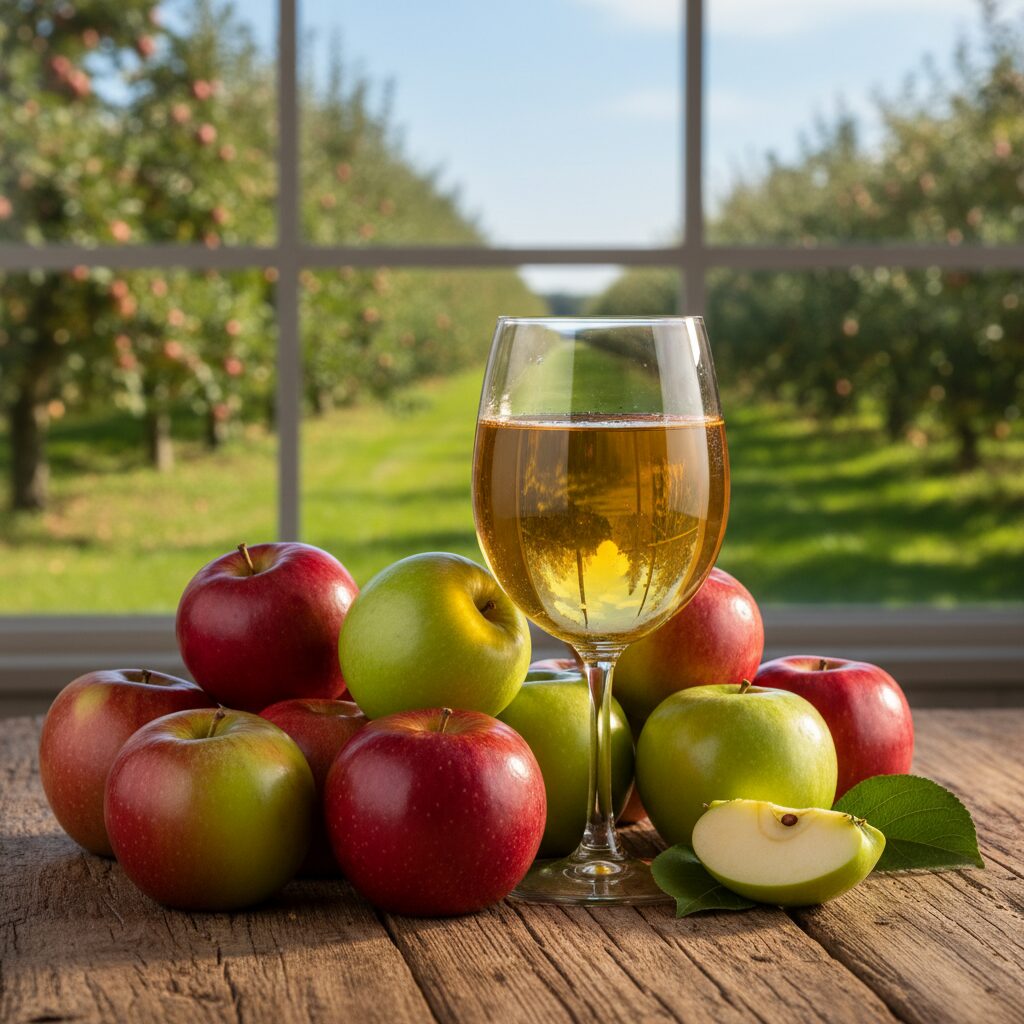
Store-bought apple juice is convenient, but it often comes pasteurized to the point of flavor loss or packed with added sugars and preservatives.
Making apple juice at home allows you to control exactly what goes into your glass, capturing the vibrant, floral notes of fresh apples and retaining more heat-sensitive nutrients.
Why Make It Yourself?
- Superior Flavor: Fresh juice has complex flavor notes, honey, floral, tart, that commercial processing often destroys.
- Control: You decide the sweetness by choosing specific apple varieties.
- Zero Additives: No high-fructose corn syrup, preservatives, or artificial colors.
- Cost-Effective: During apple season, making juice from bulk “seconds” (imperfect fruit) is significantly cheaper than buying premium cold-pressed juice.
Choosing the Right Apple Varieties
The “secret sauce” to great juice is the apple blend. A single variety can be one-dimensional. For the best flavor profile, aim for a mix of sweet and tart apples.
| Flavor Profile | Best Varieties | Notes |
| Sweet | Fuji, Gala, Red Delicious, Honeycrisp | Provides the sugary base. Fuji is often considered the sweetest juicing apple. |
| Tart/Acidic | Granny Smith, Pink Lady, Braeburn | Adds “zing” and prevents the juice from tasting flat or cloying. |
| Aromatic | McIntosh, Jonagold | Adds floral aromatics and depth. |
Pro Tip: A common “golden ratio” for a balanced juice is two sweet apples to one tart apple.
4 Methods to Make Apple Juice at Home
1. The Juicer Method (Cold Press or Centrifugal)
Best for: Pure, clear juice with minimal effort.
- Wash apples thoroughly.
- Core the apples (seeds can add bitterness and contain trace amounts of amygdalin).
- Feed through the juicer chute.
- Result: A smooth, pulp-free liquid that separates quickly. Drink immediately for best nutrient retention.
2. The Blender Method (No Juicer Required)
Best for: Thick, nectar-like juice or smoothies.
- Wash, core, and chop apples into 1-inch cubes.
- Place in a high-speed blender with 1/4 cup of water (or lemon juice) to help blades spin.
- Blend on high until a smooth puree forms.
- Strain: Pour the puree through a nut milk bag or fine-mesh sieve lined with cheesecloth. Squeeze tightly to extract the liquid.
- Result: A slightly cloudy, nutrient-dense juice.
3. The Stovetop “Cider” Method
Best for: Using apple scraps (peels/cores) or making large batches for canning.
- Place washed apples (or scraps) in a large pot and cover with water.
- Boil, then simmer for 20–30 minutes until the apples are soft and pale.
- Mash the fruit gently, then strain through a coffee filter or cheesecloth without squeezing (squeezing makes it cloudy).
- Result: A lighter, milder juice that tastes more like traditional apple cider.
4. The Instant Pot Method
Best for: Hands-off extraction.
- Place 1 cup of water in the Instant Pot liner.
- Fill a steamer basket with apple chunks and place inside.
- Pressure cook on High for 10 minutes with a natural release.
- Lift the basket and drain the liquid.
- Result: A sterilized, clear liquid ideal for storage.
Nutritional Value: Homemade vs. Store-Bought
Apples are rich in polyphenols and antioxidants. However, juicing removes the majority of the fiber found in whole fruit.
Nutrition per 1 Cup (8 fl oz / 248g) of Unsweetened Apple Juice
| Nutrient | Amount | Notes |
| Calories | ~114 kcal | Dense energy source; mostly from natural sugars. |
| Carbohydrates | 28g | Almost entirely simple carbohydrates. |
| Total Sugars | 24g | Contains naturally occurring fructose and glucose. |
| Fiber | 0.5g | Most fiber is lost in the pulp during juicing. |
| Protein | <1g | Not a significant source of protein. |
| Fat | <0.5g | Virtually fat-free. |
| Caffeine | 0mg | Naturally caffeine-free. |
Cost Comparison
Is it cheaper to make your own? Generally, yes, especially if you buy apples in season or in bulk bags.
- Premium Cold-Pressed Store Juice: $8.00 – $12.00 per liter.
- Homemade (Standard Apples): $3.00 – $5.00 per liter (requires approx. 3–4 lbs of apples).
- Homemade (Apple Season/Seconds): $1.00 – $2.00 per liter.
Safety First: Pasteurization and Storage
Unlike store-bought juice, fresh raw juice is unpasteurized. Raw juice can harbor harmful bacteria like E. coli or Salmonella, which poses serious risks to children, the elderly, pregnant women, and those with compromised immune systems.
How to Pasteurize at Home
To make your juice safe for at-risk groups and extend shelf life:
- Pour juice into a saucepan.
- Heat strictly to 160°F (71°C). Use a candy thermometer to monitor closely.
- Hold at this temperature for at least 6 seconds.
- Remove from heat immediately to prevent “cooked” flavor.
Storage Guidelines
- Raw Fresh Juice: Drink within 24 hours. Keep refrigerated at 40°F (4°C) or below.
- Pasteurized Juice: Can last 7–10 days in the refrigerator.
- Freezing: Apple juice freezes exceptionally well. Leave an inch of headspace in the jar for expansion. Thaw in the fridge before drinking.
Serving Styles: Traditional vs. Modern
The Purist (Neat)
Served chilled without ice to prevent dilution. Best for high-quality Honeycrisp or Fuji juices.
The “Green” Juice
Mixed with celery, spinach, or kale. The sweetness of the apple masks the bitterness of the greens.
Spiced Cider Style
Gently warmed with a cinnamon stick, clove, and a slice of orange. Perfect for autumn.
Sparkling Apple
Mixed 50/50 with sparkling water or club soda for a lower-calorie, refreshing soda alternative.
Frequently Asked Questions
Do I need to peel the apples before juicing?
No. The skin contains high concentrations of vitamins and antioxidants (like quercetin) and adds beautiful color to the juice. However, wash them thoroughly to remove wax and pesticide residues, or buy organic.
Why does my apple juice turn brown so quickly?
This is oxidation, similar to rust on iron. It doesn’t affect safety but can look unappealing. To prevent it, add a splash of fresh lemon juice or vitamin C powder to the juice immediately after pressing.
Can I juice apple seeds?
Apple seeds contain amygdalin, which releases cyanide when metabolized.
While you would need to consume a massive amount of crushed seeds to suffer harm, it is best practice to core apples before juicing to avoid any bitter taste or potential risk.
Is cloudy juice better than clear juice?
“Cloudy” juice contains more apple solids and typically has a higher antioxidant content (up to four times more polyphenols) than clear, filtered apple juice.
Final Thoughts
Making apple juice at home is a simple luxury that offers superior taste and nutritional control.
- For best taste: Use a raw cold-press method with a mix of tart and sweet apples.
- For safety: Always pasteurize if serving to children or the elderly.
- For value: Buy “ugly” apples or bulk bags during the fall harvest season.
Whether you prefer it crisp and cold over ice or warmed with cinnamon on a rainy day, homemade apple juice is an upgrade worth the effort.

Naeem is a passionate drink enthusiast and recipe curator behind DrinkWhisper.com. With 10 years of exploring cafes, bars, and home mixology trends, he shares inspiring drinks, creative cocktails, and refreshing non alcoholic recipes for every occasion.