
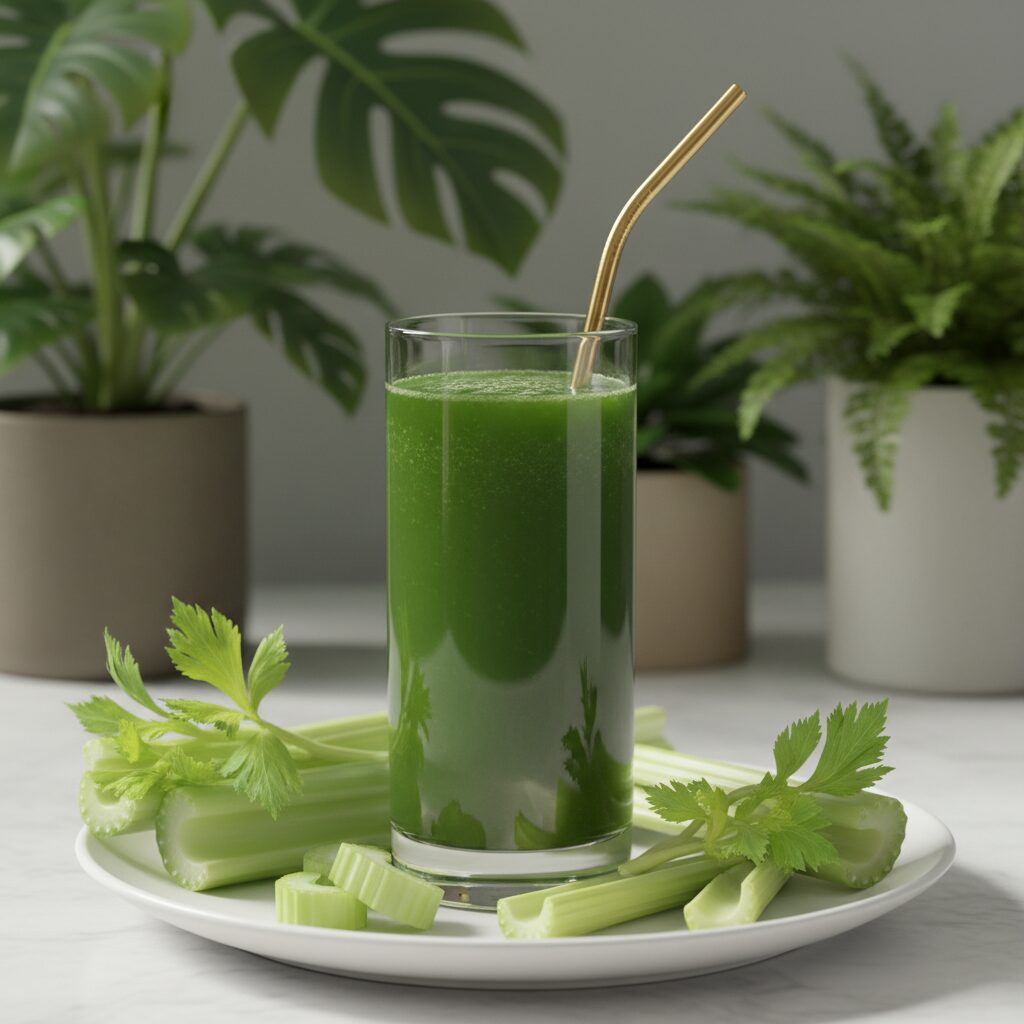
Green drinks are a staple in the wellness industry, but few have sparked as much conversation as celery juice.
Once a humble vegetable relegated to buffalo wing platters and soup bases, celery has transformed into a global health phenomenon.
While social media influencers often tout it as a “miracle cure,” the reality is more nuanced.
The Rise of Celery Juice
Celery (Apium graveolens) has been cultivated for thousands of years, originally used for medicinal purposes in ancient civilizations before becoming a food staple.
However, consuming it as a pure, undiluted juice is a relatively modern trend.
History and Origin
The global explosion of celery juice began around 2019, popularized largely by Anthony William, known as the “Medical Medium.” He advocated drinking 16 ounces of pure celery juice on an empty stomach every morning.
While his claims of curing chronic illnesses lack robust clinical backing, the trend introduced millions of people to the nutritional density of concentrated celery.
Today, it is a fixture in juice bars from Los Angeles to London, often marketed as a gut-healing, skin-clearing tonic.
Taste Profile and Texture
If you are expecting the sweetness of an apple juice or the tartness of orange juice, celery juice will be a surprise.
Flavor Notes
- Salty: Celery is naturally high in sodium, giving the juice a distinct savory, saline kick.
- Bitter: The leaves can add a sharp, bitter aftertaste, which is why some people remove them before juicing.
- Herbal: It has a strong, grassy, and earthy profile.
Texture
- Watery: Unlike smoothies, celery juice is thin and has a consistency similar to water.
- Sediment: If made in a blender and not strained properly, it can feel gritty or fibrous.
Nutritional Breakdown (8 oz Serving)
One of the primary reasons to drink celery juice is the concentration of nutrients. Because the fiber is removed (or broken down), you consume the vitamins of a whole bunch of celery in a single glass.
It is important to note that celery juice is caffeine-free. While many use it to replace morning coffee for energy, any alertness comes from hydration and natural sugars, not stimulants.
Nutrition Data per 8 oz (240 ml) Serving
| Nutrient | Amount | Notes |
| Calories | ~33 – 42 kcal | Low calorie density |
| Carbohydrates | 7 – 9.5 g | Mostly natural vegetable sugars |
| Sugar | 3 – 5 g | Low compared to fruit juices |
| Protein | ~2 g | Minimal source of protein |
| Fat | < 1 g | Virtually fat-free |
| Sodium | ~189 – 215 mg | Naturally high; use caution if salt-sensitive |
| Vitamin K | ~74% DV | Excellent for bone health and blood clotting |
| Potassium | ~14% DV | Helps regulate fluid balance |
| Caffeine | 0 mg | Non-stimulant energy |
Note: Nutritional values are approximate and depend on the size of stalks and juicing method.
Health Benefits: What Science Says
While it may not be a magic cure, celery juice offers legitimate health advantages when part of a balanced diet.
Hydration and Electrolytes
Celery is approximately 95% water. When juiced, it acts as a natural electrolyte drink. The natural sodium and potassium content helps the body retain fluids better than plain water, making it a good post-workout option.
Anti-Inflammatory Properties
Celery contains phytonutrients, specifically two antioxidants called luteolin and apigenin. Research suggests these compounds may help reduce inflammation in the body.
This is why many people with autoimmune conditions or joint pain report feeling better when drinking it regularly, although large-scale human trials are still needed.
Blood Pressure Support
Celery contains a phytochemical called phthalides. These compounds are thought to relax the tissues of the artery walls, potentially increasing blood flow and reducing blood pressure.
However, because the juice is also high in sodium, those with hypertension should consult a doctor before consuming large quantities.
Potential Downsides and Safety Risks
Medication Interactions
Celery contains compounds that can interact with certain medications. It is rich in Vitamin K, which can interfere with blood thinners like warfarin.
Additionally, furanocoumarins in celery can affect how the liver metabolizes certain drugs.
Sun Sensitivity
Consuming large amounts of celery juice can increase photosensitivity. The psoralens found in the vegetable react to UV light, potentially making your skin more susceptible to sunburn or rashes.
Loss of Fiber
Juicing removes the insoluble fiber that aids digestion and keeps you full. If you replace a fiber-rich breakfast with only juice, you may feel hungry shortly after.
Cost Analysis: Homemade vs. Store-Bought
Is it cheaper to make it yourself? The price difference is significant. Store-bought cold-pressed juices come with a premium price tag due to labor, packaging, and shelf-life logistics.
Cost Comparison (Per 16 oz Serving)
| Option | Estimated Cost | Notes |
| Homemade | $2.00 – $3.50 | Cost varies by season and organic status of celery bunches. |
| Juice Bar / Retail | $10.50 – $12.50 | Based on prices from chains like Pressed Juicery, JRINK, and local cafes. |
Verdict: Making it at home saves roughly 75% per serving.
Celery Juice Recipe: Two Methods
You do not need a fancy cold-press juicer to enjoy celery juice. Here is how to make it with common kitchen tools.
Ingredients
- 1 Large Bunch of Celery (Organic preferred to avoid pesticides)
- Optional: 1/2 Green Apple (for sweetness), squeeze of Lemon (to cut bitterness), or a nub of Ginger (for spice).
Method 1: The Juicer (Easiest)
- Wash: Thoroughly rinse the celery stalks. Dirt often hides in the base of the stalks.
- Prep: Cut the base off the bunch. Feed the stalks through the juicer chute.
- Serve: Drink immediately for the best nutrient retention.
Method 2: The Blender (Accessibility)
- Chop: Wash and chop the celery into 1-inch pieces.
- Blend: Place the celery in a high-speed blender. Add 1/4 cup of water to help the blades catch. Blend until it becomes a smooth puree.
- Strain: Place a nut milk bag or fine-mesh sieve over a bowl. Pour the puree into the bag and squeeze tightly to extract the green liquid. Discard the dry pulp.
- Serve: Pour over ice or drink straight.
Frequently Asked Questions
When is the best time to drink celery juice?
The popular trend is to drink it on an empty stomach first thing in the morning, waiting 15 to 30 minutes before eating breakfast.
However, from a strictly nutritional standpoint, your body will absorb the vitamins and minerals regardless of the time of day.
Can I make celery juice in batches?
Fresh celery juice oxidizes quickly, losing nutrients and changing color. It is best consumed within 24 hours. If you must prepare ahead, store it in an airtight masonry jar filled to the very top to minimize air exposure, and keep it in the fridge.
Is celery juice safe for everyone?
Most people can consume it safely. However, those with IBS (Irritable Bowel Syndrome) might experience digestive distress due to fermentable starches (FODMAPs).
Pregnant women should consult their doctor, and those on blood thinners must monitor their Vitamin K intake.
Final Thoughts
Celery juice is a potent, low-sugar way to increase your intake of vitamins and electrolytes. While it is not a cure-all, it serves different needs for different people:
- For the caffeine-sensitive: It provides a morning ritual without the jitters.
- For the athlete: It offers natural hydration and salt replenishment.
- For the budget-conscious: It is one of the most affordable wellness drinks to make at home.
If you enjoy the savory taste and the hydration boost, it is a healthy addition to your morning routine. Just remember that it works best as a supplement to a fiber-rich diet, not a replacement for whole foods.

Naeem is a passionate drink enthusiast and recipe curator behind DrinkWhisper.com. With 10 years of exploring cafes, bars, and home mixology trends, he shares inspiring drinks, creative cocktails, and refreshing non alcoholic recipes for every occasion.