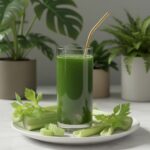
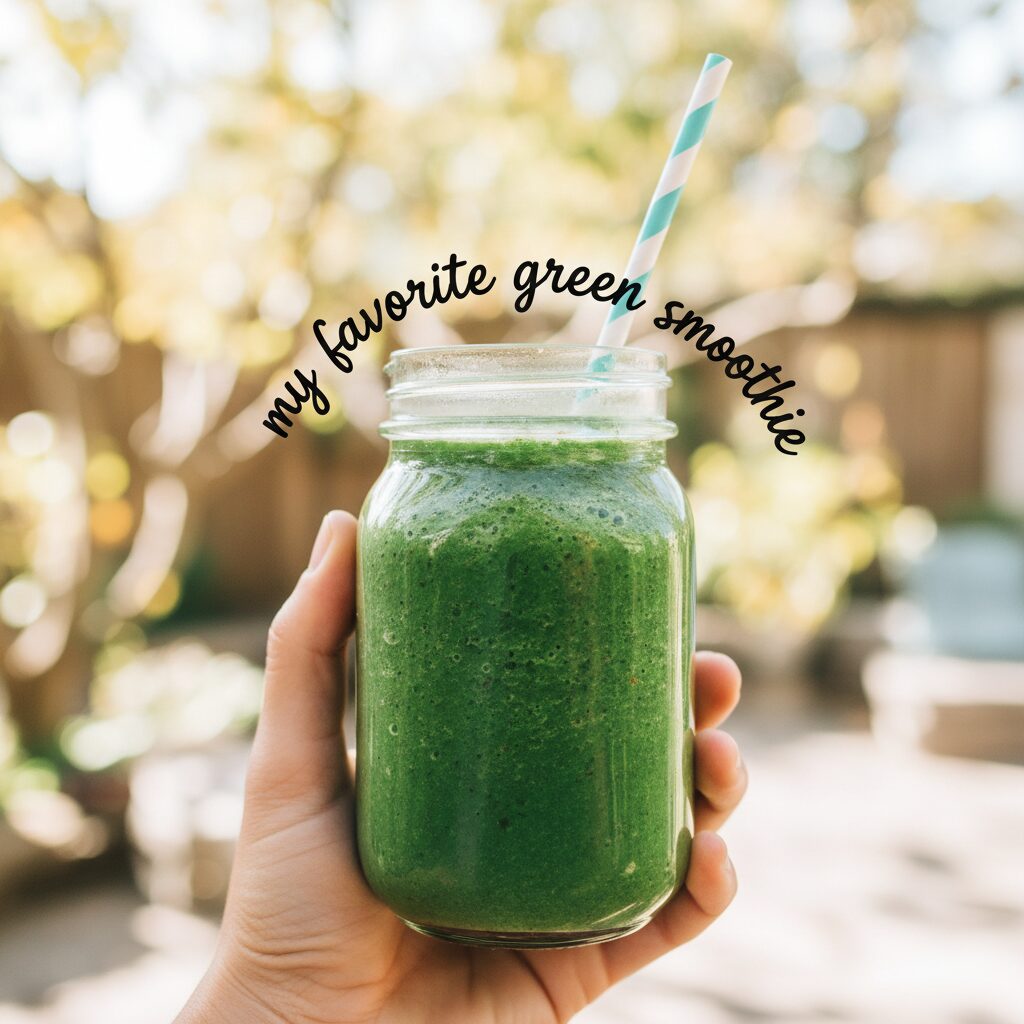
While green juice has become a staple accessory in the wellness world, often spotted in the hands of celebrities leaving boutique gyms, it is more than just a trend.
It is a concentrated source of nutrients that can bridge the gap between the recommended daily intake of vegetables and what we actually consume.
What is Green Juice? Origin and Evolution
Green juice is a beverage made by extracting the liquid from green vegetables like kale, spinach, celery, and cucumber.
Unlike smoothies, which blend the whole vegetable (fiber included), juicing removes the fibrous pulp, leaving a nutrient-dense liquid that is rapidly absorbed by the bloodstream.
A Brief History
While juicing dates back centuries, the modern green juice movement began gaining traction in the 1930s with the Gerson Therapy, which promoted raw juices for health restoration.
It exploded into mainstream culture in the early 2000s, transitioning from niche health food stores to a multi-billion dollar industry dominated by chains like Juice Press and Pressed Juicery.
Nutritional Profile of Green Juice
Because recipes vary wildly, nutrition does too. A “green juice” can be a low-calorie savory drink or a high-sugar fruit cocktail disguised by a handful of spinach.
Below is a comparison of two common types of green juice based on a standard 8 oz (240 ml) serving.
Nutritional Snapshot (Per 8 oz Serving)
| Nutrient | Veggie-Dense (e.g., Celery, Cucumber, Kale, Lemon) | Fruit-Forward (e.g., Apple, Pineapple, Spinach) |
| Calories | 40–60 kcal | 110–140 kcal |
| Carbohydrates | 8–10 g | 25–30 g |
| Sugar | 3–5 g | 18–24 g |
| Protein | 2 g | 1–2 g |
| Fiber | < 1 g | < 1 g |
| Caffeine | 0 mg* | 0 mg* |
Note: Green juice is naturally caffeine-free. Caffeine is only present if ingredients like Matcha or Green Tea extract are added.
Benefits of Green Juice
1. Rapid Nutrient Absorption
Because the insoluble fiber is removed, digestion is bypassed to a degree.
This allows for the rapid absorption of vitamins (like Vitamin C and K) and minerals (like potassium and magnesium).
2. Hydration and Alkalization
Ingredients like cucumber and celery are over 90% water. Combined with electrolytes, green juice acts as an effective hydrator.
Many proponents suggest it helps balance the body’s pH, though the human body naturally regulates pH very tightly on its own.
3. Increased Vegetable Consumption
For those who dislike the texture of salads, juicing provides a palatable way to consume the micronutrients of dark leafy greens.
Important Considerations (The Downsides)
- Fiber Loss: Juicing removes the fiber necessary for gut health and blood sugar regulation.
- Oxalates: High consumption of raw spinach and beet greens can lead to high oxalate intake, which may contribute to kidney stones in susceptible individuals.
- Blood Sugar Spikes: Fruit-heavy juices lack the fiber to slow down sugar absorption, potentially causing insulin spikes.
The Real Cost: DIY vs. Buying Retail
One of the biggest barriers to a green juice habit is the cost. Here is a breakdown of current market prices for a standard serving size (approx. 12–16 oz bottle).
| Brand / Type | Typical Price (USD) | Size | Notes |
| Juice Press (Chain) | $10.50 – $12.00 | 16 oz | Fresh, organic, short shelf life. |
| Pressed Juicery (Chain) | $6.95 | 15.2 oz | Commercial cold-pressed, reliable consistency. |
| Suja / Evolution Fresh (Grocery) | $3.99 – $4.99 | 12 oz | Pasteurized (HPP), longer shelf life, often higher sugar. |
| Homemade (DIY) | $2.50 – $4.00 | 16 oz | Labor intensive, requires equipment investment. |
Green Juice Recipes for Every Palate
To make green juice at home, you need a juicer (masticating “slow” juicers are best for leafy greens).
If you only have a blender, you must strain the mixture through a nut milk bag or cheesecloth.
1. The “Beginner Friendly” (Sweet & Smooth)
Best for: Those new to juicing who need sweetness to mask the vegetable taste.
- 1 Green Apple
- ½ Cucumber
- 2 cups Spinach
- ½ Lemon (peeled)
- 1-inch piece of Ginger
2. The “Deep Green” (Savory & Potent)
Best for: Maximizing nutrient density with minimal sugar.
- 4 stalks Celery
- ½ Cucumber
- 3 large leaves Kale (Lacinato/Dino kale is less bitter)
- 1 handful Parsley
- 1 Lime (peeled)
3. The “Metabolism Kick” (Spicy & Tart)
Best for: A morning wake-up call without caffeine.
- 1 Grapefruit (peeled)
- 2 stalks Celery
- ½ Jalapeño (remove seeds for less heat)
- 1 handful Cilantro
- 1 Cucumber
Taste, Texture, and Serving Styles
Texture
Unlike smoothies, green juice should be thin and water-like. If it is gritty, it has not been strained properly.
Taste Profile
- Commercial: Often leans acidic and sweet due to apple/lemon bases used to preserve color and flavor.
- Fresh/Homemade: Tastes “grassy” or earthy. The freshness of the produce significantly alters the flavor profile day-to-day.
Serving Style
Best served chilled over ice. If buying fresh cold-pressed juice (unpasteurized), it must be consumed within 3 days (72 hours) to avoid bacterial growth and oxidation.
When to Choose Which Green Juice?
Use this guide to determine which type of juice fits your immediate needs.
| Scenario | Best Choice | Why? |
| Pre-Workout Energy | Fruit-Forward | The natural sugars from apples/pineapples provide quick carbohydrates for fuel. |
| Post-Meal / Digestion | Veggie-Dense | Bitter greens (dandelion, kale) and ginger stimulate digestion without adding sugar load. |
| Sensitive Stomach | Celery or Cucumber only | Simple, single-ingredient juices are easier to digest than complex blends. |
| On a Budget | Grocery Store Brand | More affordable, but check the label to ensure “Green Juice” isn’t mostly apple juice. |
Frequently Asked Questions
Does green juice contain caffeine?
Generally, no. A standard green juice made of vegetables and fruit is caffeine-free. However, some bottled varieties add Matcha, Green Tea extract, or Guarana for energy. Always check the label if you are sensitive to caffeine.
Can I replace a meal with green juice?
It is not recommended. Green juice lacks adequate protein and healthy fats to constitute a complete meal. It is best used as a supplement to a balanced diet, not a replacement.
Is it better to blend or juice?
Blending retains the fiber, which helps you feel full and regulates blood sugar. Juicing removes the fiber, offering a lighter drink with concentrated nutrients. If you need a meal, blend. If you need a vitamin boost alongside a meal, juice.
Why do some green juices have so much sugar?
To make the juice palatable to the mass market, companies often use apple, pear, or pineapple juice as the primary ingredient.
Look at the nutrition label; if the sugar content exceeds 15g per serving, it should be treated as a treat rather than a health supplement.
Final Thoughts
The “best” green juice is the one that fits your health goals and budget. If you are looking for a low-sugar nutrient boost, stick to homemade or savory commercial blends rich in celery and greens.
If you are transitioning from soda or sugary drinks, a fruit-forward green juice is a healthier stepping stone, just be mindful of the sugar content.

Naeem is a passionate drink enthusiast and recipe curator behind DrinkWhisper.com. With 10 years of exploring cafes, bars, and home mixology trends, he shares inspiring drinks, creative cocktails, and refreshing non alcoholic recipes for every occasion.