You probably have a bottle of green gel in your medicine cabinet for sunburns, or perhaps a spiky succulent sitting on your windowsill. But have you considered drinking it?
Aloe vera juice has transitioned from a niche health store item to a mainstream beverage found in supermarkets and gas stations alike.
While it is often marketed as a “miracle cure” for everything from acne to weight loss, the science is more nuanced.
What Is Aloe Vera Juice?
To understand the juice, you first need to understand the plant. The aloe vera leaf consists of three main parts:
- The Skin: The hard, green outer rind.
- The Latex: A thin layer of yellow liquid just beneath the skin. This contains aloin (anthraquinones), which has a strong laxative effect.
- The Gel: The clear, inner tissue made mostly of water.
Aloe vera juice is typically made by crushing or grinding the entire leaf, followed by various steps to purify and filter the liquid. The resulting beverage is thick and slightly gooey.
Decolorized vs. Non-Decolorized
This is the most critical distinction for consumers.
- Non-decolorized (Whole Leaf): Contains the green skin, the inner gel, and the latex. It is high in almonds.
- Decolorized (Purified): This process passes the liquid through charcoal filters to remove the latex (and the aloin). Most safety organizations, including the International Aloe Science Council (IASC), recommend decolorized products for oral consumption to minimize health risks.
Nutritional Profile of Aloe Vera Juice
One of the main appeals of aloe vera juice is that it is a hydrating, low-calorie alternative to sugary sodas, provided you buy the unsweetened version.
The following table outlines the nutritional value of a standard 8-oz (240-ml) serving of fortified aloe vera juice.
| Nutrient | Amount per 8 oz (240 ml) |
| Calories | 36 kcal |
| Protein | 0 g |
| Fat | 0 g |
| Carbohydrates | 9 g |
| Total Sugars | 9 g (often added in commercial drinks) |
| Vitamin C | 9.1 mg |
| Calcium | 19 mg |
| Sodium | 19 mg |
| Caffeine | 0 mg |
Note: Pure, unfortified aloe vera juice has significantly fewer calories (approx. 8-15 kcal per cup) and less sugar than fortified versions.
Top Health Benefits
While historical use of aloe is extensive, modern science has narrowed down several key areas where drinking the juice may be beneficial.
1. Digestive Support and Regularity
The plant is perhaps most famous for its digestion-aiding properties. The outer portion of the plant contains anthraquinones, which act as a potent laxative.
While this can help treat constipation, the FDA actually removed aloe latex from over-the-counter laxative products in 2002 due to safety concerns regarding its potency.
However, drinking purified juice may still help reduce stomach acidity. A small study in 2015 suggested that aloe vera syrup helped reduce the symptoms of heartburn (GERD) by controlling acid secretion.
2. Blood Sugar Management
Emerging research suggests aloe vera juice may be a useful tool for those managing pre-diabetes. A meta-analysis indicated that consuming aloe vera could help lower fasting blood sugar levels in people with pre-diabetes.
It may also help improve how the body responds to insulin, though larger trials are needed to confirm these findings for Type 2 diabetes patients.
3. Oral Health
It turns out aloe isn’t just soothing for skin; it’s soothing for gums, too. Due to its antibacterial and antioxidant properties, swishing with aloe vera juice (like a mouthwash) has been shown to reduce dental plaque.
Furthermore, studies involving patients with head and neck cancers found that aloe vera mouthwash helped reduce the pain and severity of oral mucositis (mouth sores) caused by chemotherapy and radiation treatments.
4. Skin Health from the Inside Out
While we usually apply aloe topically, drinking it may also boost your glow. Aloe vera is rich in polyphenols (antioxidants).
One study found that consuming aloe sterols stimulated collagen production and reduced wrinkles in women over age 40.
Another study noted improved skin elasticity in men who were supplemented with aloe.
Taste, Texture, and Serving Styles
If you have never tasted pure aloe vera juice, you might be in for a surprise.
- Taste: In its raw form, it is quite bitter, slightly acidic, and vegetal—similar to unsweetened grass jelly or bitter melon.
- Texture: It is thicker than water, with a viscosity often described as “mucilaginous” or slimy.
Because of this challenging flavor profile, many people do not drink it straight.
Popular Serving Styles:
- The Shot: 2 tablespoons taken quickly, purely for medicinal purposes.
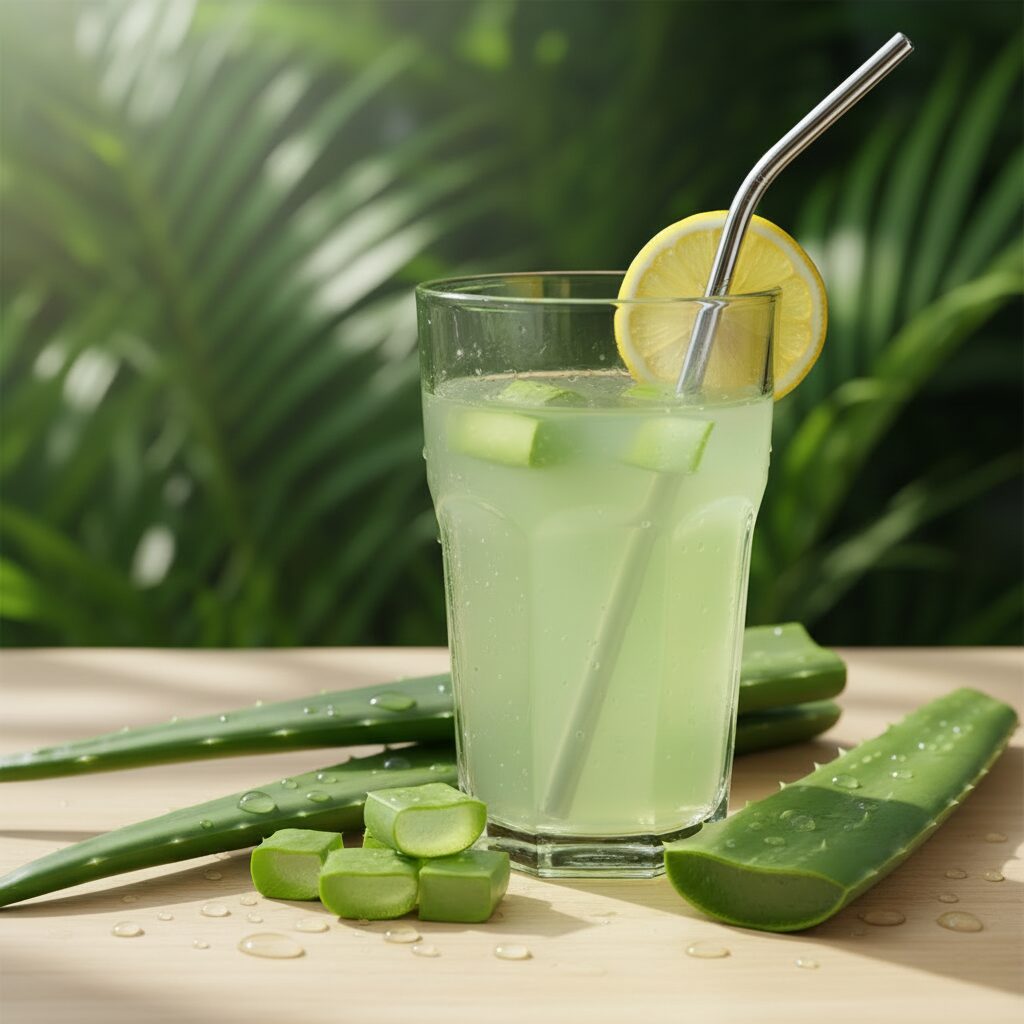
- The Dilution: Mixed into a large glass of water with a squeeze of lemon to cut the bitterness.
- The Smoothie: Blended with sweet fruits like pineapple or mango to mask the taste and texture.
- The Cocktail: Used as a texturizing agent in mocktails or health tonics.
Buying Guide: Price and Quality
Not all aloe bottles are created equal. The market ranges from sugary “aloe drinks” (which are essentially soft drinks) to medicinal-grade pure juice.
| Product Type | Typical Price (USD) | Best For |
| Pure Organic Juice (32 oz) | $10.00 – $15.00 | Daily health supplementation; mixing into smoothies. |
| Fortified Aloe Water (16 oz) | $2.50 – $4.00 | Hydration on the go; often contains added sugar. |
| Aloe Vera Gallon Jug | $25.00 – $35.00 | Long-term users; bulk buying. |
| Fresh Aloe Leaf | $2.00 – $3.00 each | DIY enthusiasts (requires careful preparation). |
Pro Tip: Look for the IASC (International Aloe Science Council) seal on the bottle. This certifies that the product contains high-quality aloe and meets safety standards regarding aloin content.
Safety Risks and Side Effects
While “natural,” aloe vera juice is biologically active and carries risks, particularly if you consume the wrong type or too much of it.
The Cancer Risk of Non-Decolorized Aloe
The National Toxicology Program (NTP) conducted studies on rats using non-decolorized whole leaf extract.
The study found clear evidence of carcinogenic activity (intestinal tumors) in rats. This risk is linked to aloin and other anthraquinones found in the unpurified latex.
To stay safe: Always choose products labeled “decolorized,” “purified,” or “aloin-free.”
Drug Interactions
Aloe vera can interact with several medications. If you take any of the following, consult your doctor before drinking it:
- Diabetes medications: Combining aloe (which lowers blood sugar) with medication could lead to hypoglycemia.
- Warfarin (blood thinners): Aloe may increase the risk of bleeding.
- Diuretics and Digoxin: Because aloe can decrease potassium levels (due to laxative effects), it can be dangerous when combined with heart and kidney medications.
Pregnancy and Breastfeeding
Medical consensus is clear: Do not consume oral aloe vera if you are pregnant or breastfeeding. It may stimulate uterine contractions and carry unknown risks for infants.
Frequently Asked Questions
How much aloe vera juice should I drink a day?
For general health, most experts recommend limiting consumption to about 8 ounces (one cup) per day.
If you are using a concentrated supplement, the dose is much smaller, typically 2 tablespoons. Start small to see how your digestive system reacts.
Can I make aloe vera juice at home?
Yes, but it requires caution. You must carefully fillet the inner gel away from the green rind and the yellow latex layer.
If you do not remove the yellow latex completely, your homemade juice may cause severe diarrhea and cramping. For most people, buying purified, decolorized juice is safer.
Does aloe vera juice contain caffeine?
No. Aloe vera juice is naturally caffeine-free.
Is clear juice better than colored juice?
Generally, yes. Highly purified, decolorized aloe vera juice is usually clear to slightly pale yellow. If the liquid is dark, it may indicate the presence of whole-leaf impurities or minimal filtration.
Final Thoughts
If you choose to add this plant powerhouse to your diet, opt for decolorized, organic options, check the label for added sugars, and start with small doses.
Whether you are looking to soothe digestion or simply try a new ingredient in your morning smoothie, aloe vera juice is a unique addition to a wellness routine.

Naeem is a passionate drink enthusiast and recipe curator behind DrinkWhisper.com. With 10 years of exploring cafes, bars, and home mixology trends, he shares inspiring drinks, creative cocktails, and refreshing non alcoholic recipes for every occasion.