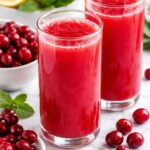
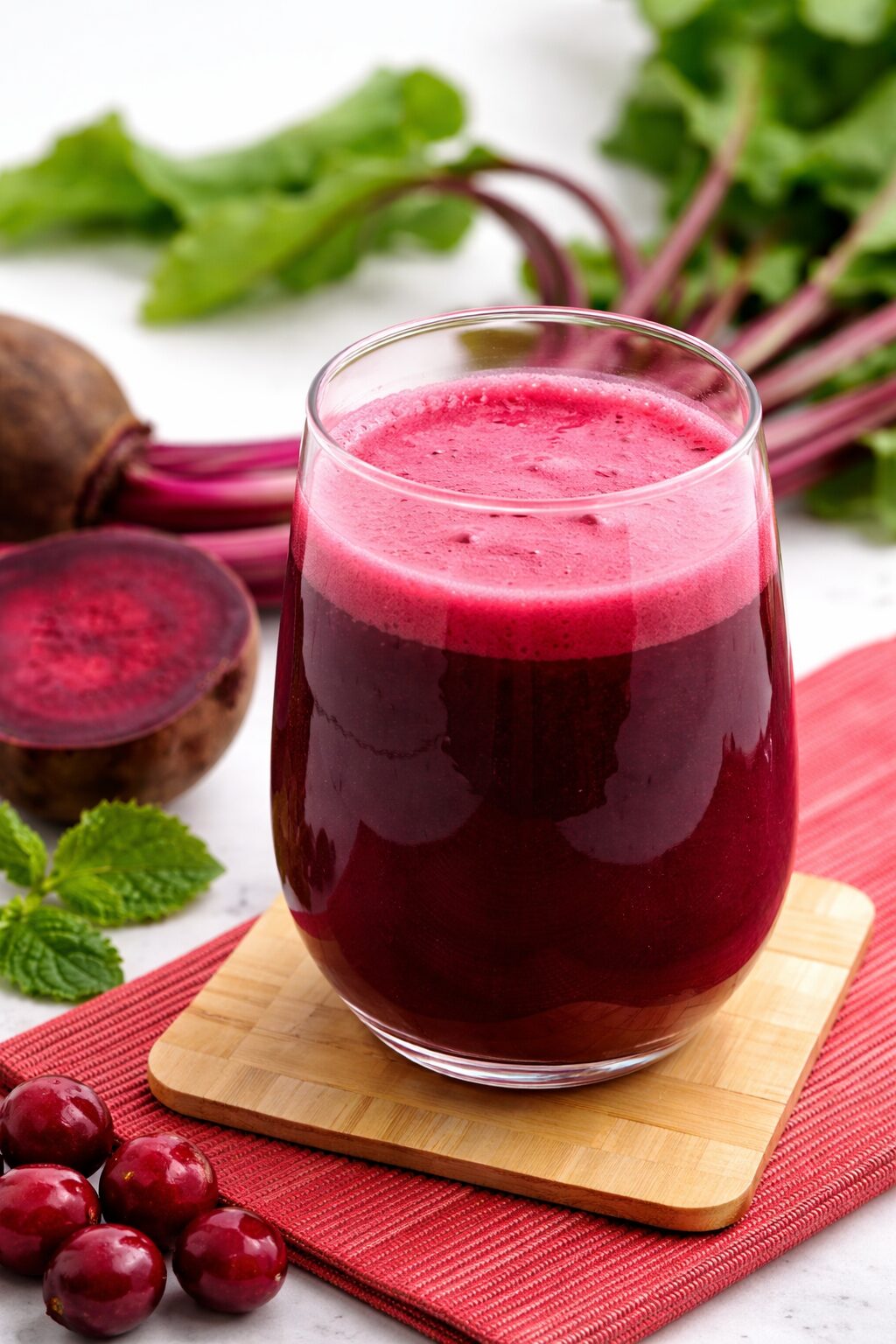
The deep, ruby-red color of the beetroot is a clear signal that this root vegetable is packed with potent compounds. While it has long been a staple in salads and roasts, beet juice has recently gained significant attention in the health and wellness community.
From elite cyclists seeking a competitive edge to individuals looking to manage their blood pressure naturally, this earthy drink is becoming a dietary staple.
The Origins and History of Beets
Before becoming a modern superfood, the beet (Beta vulgaris) had a long history in the Mediterranean region.
Originally, ancient civilizations primarily consumed the leafy greens (beet tops) rather than the root. It wasn’t until the Roman era that the bulbous root began to be cultivated for food.
Historically, beets were used not just for sustenance but also for medicinal purposes, often to treat constipation and fevers.
Today, the focus has shifted to the juice of the root, largely due to the discovery of its high nitrate content and its unique ability to influence blood flow.
Nutritional Profile of Beet Juice
Understanding the nutritional breakdown is essential for integrating beet juice into your diet safely. It is naturally low in fat but higher in natural sugars compared to green vegetable juices.
The following table outlines the nutritional value for a standard 8 oz (240 ml) serving of fresh, raw beet juice.
| Nutrient | Amount per 8 oz (240 ml) |
| Calories | ~110 |
| Protein | 3 g |
| Carbohydrates | 24 g |
| Sugars | 22 g |
| Fat | 0 g |
| Fiber | 0 g (juicing removes fiber) |
| Potassium | 701 mg |
| Iron | 1.4 mg |
| Folate | ~65 mcg |
Note: Nutritional values may vary slightly depending on the size of the beets and if other ingredients like apples or carrots are added.
Top Health Benefits of Beet Juice
The primary reason for the surge in beet juice popularity lies in its bioactive compounds, specifically betalains (antioxidants) and nitrates.
Lowers Blood Pressure
One of the most well-researched benefits of beet juice is its ability to lower blood pressure. Beets are rich in dietary nitrates, which the body converts into nitric oxide.
Nitric oxide acts as a vasodilator, meaning it relaxes and widens blood vessels, allowing blood to flow more easily.
Studies suggest that drinking about one cup of beet juice daily can lead to a significant reduction in systolic blood pressure.
Enhances Athletic Performance and Stamina
You may notice endurance athletes drinking red shots before a race. This is because the nitric oxide generated from beet juice improves the efficiency of mitochondria, the energy powerhouses of your cells.
Research indicates that consuming beet juice 1–3 hours before exercise can increase time to exhaustion, improve oxygen flow, and enhance cardiorespiratory performance.
Reduces Inflammation
Chronic inflammation is linked to various diseases, including heart disease and liver issues.
Beets contain pigments called betalains, which possess strong anti-inflammatory properties. Consuming beet juice may help reduce specific markers of inflammation in the body.
Supports Liver Health
Your liver is responsible for detoxifying your blood, and beet juice may support this vital function.
The antioxidant betaine, found in beets, potentially helps prevent or reduce fatty deposits in the liver. This is particularly relevant for protection against nonalcoholic fatty liver disease.
Taste Profile and Serving Styles
A common barrier to drinking beet juice is its flavor.
Taste
Pure beet juice is intensely earthy, often described as tasting like “soil” or “minerals” due to a compound called geosmin. It is sweet but has a heavy, root-like aftertaste.
Texture
Raw juice is thin and watery. If blended rather than juiced, it becomes a thick smoothie that requires straining to be drinkable.
To make the flavor more palatable, it is rarely served 100% pure. It is commonly mixed with:
- Acid: Lemon, lime, or orange juice cuts through the earthiness.
- Spice: Ginger adds a spicy kick that masks the mineral taste.
- Sweetness: Apples or carrots enhance the natural sugars and dilute the strong flavor.
Price and Types of Beet Juice
Not all beet products are created equal. Your choice will depend on your budget, convenience needs, and health goals.
| Type | Typical Size | Price Range (USD) | Best Use Case |
| Fresh Homemade | 1 lb raw beets | ~$1.50 – $2.50 | Most cost-effective; best for freshness and enzyme retention. |
| Cold-Pressed Bottle | 32 oz bottle | $8.00 – $10.00 | Convenient for daily drinking; often mixed with apple/lemon (e.g., Suja). |
| Wellness Shots | 2 oz shot | $3.00 – $4.00 | Quick energy on the go; often combined with ginger/turmeric (e.g., Vive Organic). |
| Sports Concentrate | 70 ml shot | ~$3.00 – $4.00 | Standardized nitrate dose (e.g., 400mg) specifically for athletic performance (e.g., Beet It). |
| Local Juice Bar | 16 oz cup | $9.00 – $12.00 | Freshness without the cleanup; significantly more expensive. |
Classic Beet Juice Recipe
If you want to save money and control the ingredients, making beet juice at home is the best option. This recipe balances the earthy beet flavor with sweet apples and zesty ginger.
Prep time: 10 minutes
Servings: 1 (approx. 12 oz)
Ingredients
- 2 medium raw beets (scrubbed clean, tops trimmed)
- 2 large carrots
- 1 medium apple (Fuji or Gala work well)
- 1-inch piece of fresh ginger
- ½ lemon (peeled)
Instructions
- Wash thoroughly: scrubbing the beets is essential to remove dirt. You do not need to peel them if they are organic and scrubbed well, as the skin contains nutrients.
- Chop: Cut the beets, carrots, and apple into pieces small enough to fit your juicer’s chute.
- Juice: Feed the ingredients through the juicer. Alternating between harder vegetables (beets) and softer ones (apples) helps extract the most liquid.
- Strain (Optional): If you prefer a very smooth texture, pour the juice through a fine-mesh sieve.
- Serve: Pour over ice and drink immediately for the best nutritional value.
No Juicer? Use a Blender
Chop all ingredients finely and place them in a high-speed blender with 1/2 cup of water. Blend until smooth, then pour the mixture through a nut milk bag or cheesecloth to squeeze out the juice.
Potential Side Effects and Precautions
While beet juice is generally safe, there are a few considerations to keep in mind.
Beeturia
Don’t be alarmed if your urine or stool turns pink or red after drinking beet juice. This condition, called beeturia, is harmless and affects about 10-14% of the population.
Kidney Stones
Beets are high in oxalates, which can contribute to the formation of kidney stones. If you are prone to calcium oxalate stones, you should consult a doctor before consuming high amounts of beet juice.
Low Blood Pressure
Because beet juice lowers blood pressure, those already taking medication for hypertension should monitor their levels closely to ensure blood pressure does not drop too low.
Frequently Asked Questions
Can I drink beet juice every day?
Yes, most people can drink beet juice daily. However, due to the oxalate content, it is wise to start with a smaller amount (like 4 oz) to see how your body reacts.
When is the best time to drink beet juice for a workout?
For athletic performance, aim to drink beet juice 1 to 3 hours before your workout. This gives your body enough time to convert the nitrates into nitric oxide and peak in your bloodstream.
Does beet juice expire?
Fresh homemade juice should be consumed within 24 to 48 hours and kept refrigerated in an airtight container.
Commercial cold-pressed juices will have an expiration date on the bottle, usually lasting a few weeks if unopened.
Is it better to drink juice or eat cooked beets?
Raw beet juice generally contains more nitrates and heat-sensitive antioxidants (like Vitamin C) than cooked beets. However, cooked beets are still nutritious and offer fiber, which is lost during the juicing process.
Final Thoughts
While the earthy taste can be polarizing, blending it with apple, carrot, and ginger makes it a refreshing addition to a healthy diet.
Whether you choose to buy a convenient shot before a run or press fresh juice at home to save money, incorporating beets into your routine is a powerful way to support your body’s cardiovascular system.

Naeem is a passionate drink enthusiast and recipe curator behind DrinkWhisper.com. With 10 years of exploring cafes, bars, and home mixology trends, he shares inspiring drinks, creative cocktails, and refreshing non alcoholic recipes for every occasion.