You are standing at the counter of your favorite local coffee shop, staring up at the menu board. You know you want something with espresso and milk, but the options are overwhelming.
You recognize the latte, a comforting classic, but then you spot the cortado. It sounds sophisticated, perhaps a bit mysterious.
What exactly separates these two beverages, and which one is right for your morning caffeine fix?
The Core Difference: Espresso-to-Milk Ratio
The most significant distinction between a cortado and a latte is the ratio of ingredients. This ratio dictates the strength, texture, and overall volume of the drink.
The Cortado Ratio (1:1)
The word “cortado” comes from the Spanish verb cortar, meaning “to cut.” The name is a literal description of the recipe: the espresso is “cut” with an equal amount of warm milk.
A traditional cortado consists of:
- 2 oz (60ml) Espresso
- 2 oz (60ml) Steamed Milk
This 1:1 balance ensures that the milk reduces the acidity and bitterness of the espresso without masking its flavor profile.
The result is a 4-ounce beverage that is rich, robust, and forward-facing.
The Latte Ratio (1:3 or higher)
The term “latte” is short for caffè latte, which translates from Italian to “coffee and milk.” As the name implies, milk is the dominant ingredient here.
A standard latte typically consists of:
- 1-2 oz (30-60ml) Espresso
- 8-10 oz (240-300ml) Steamed Milk
- A thin layer of milk foam
With a ratio of roughly 1:4 or 1:5, the espresso in a latte is significantly diluted. This creates a much milder drink where the sweetness of the steamed milk takes center stage.
Texture, Foam, and Serving Style
Beyond the ratio, the way the milk is prepared and how the drink is served plays a crucial role in the drinking experience.
The Texture of the Milk
In a latte, the milk is steamed to create a “microfoam”, a smooth, glossy texture with tiny air bubbles.
It is typically topped with a distinct layer of foam (about 1 cm), which serves as the canvas for latte art.
In a cortado, the milk is steamed but generally has very little to no foam.
The goal is to texturize the milk just enough to make it silky and hot, integrating it fully with the crema of the espresso rather than letting it sit on top.
This lack of heavy foam gives the cortado a denser, velvety mouthfeel.
The Serving Vessel
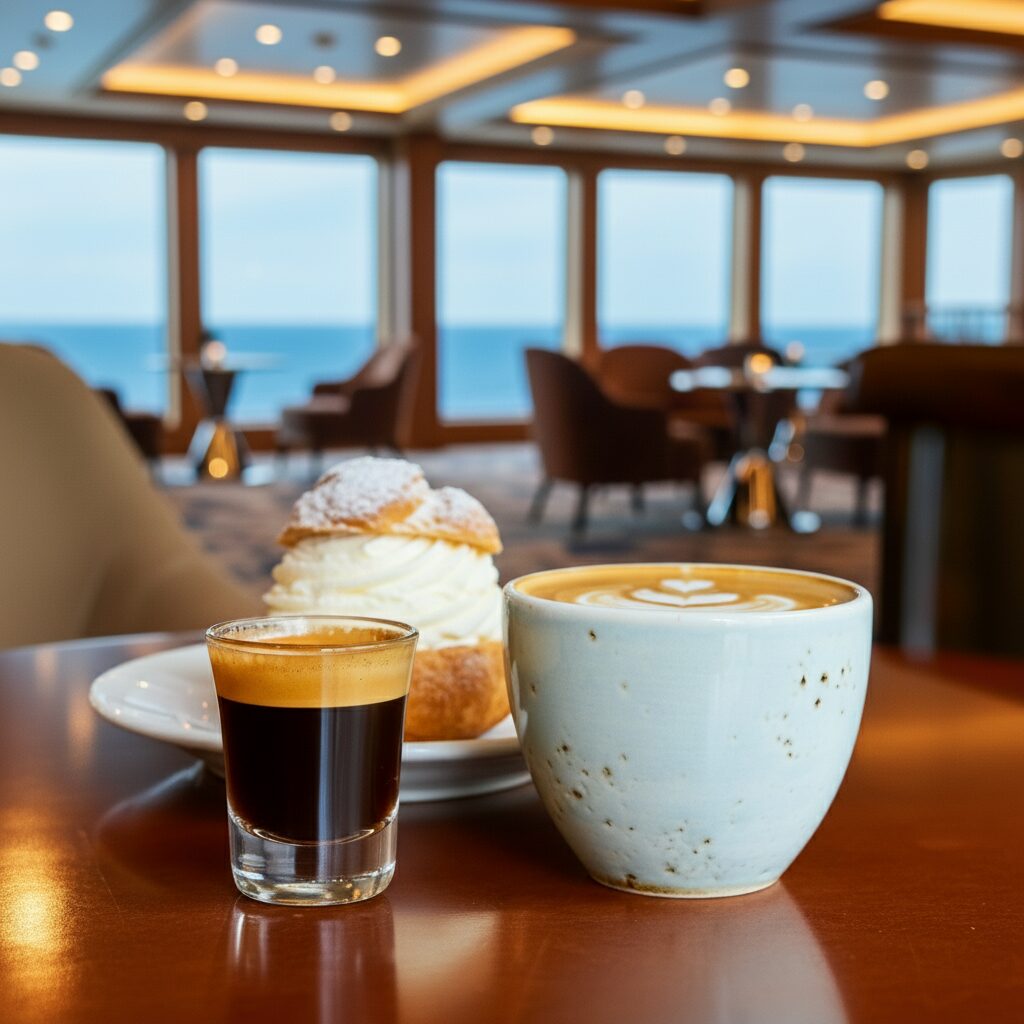
If you see a small, handleless glass tumbler at a coffee shop, that is likely for a cortado. This specific glass, often called a Gibraltar glass, usually holds about 4.5 ounces.
The glass allows you to see the beautiful integration of the dark coffee and light milk.
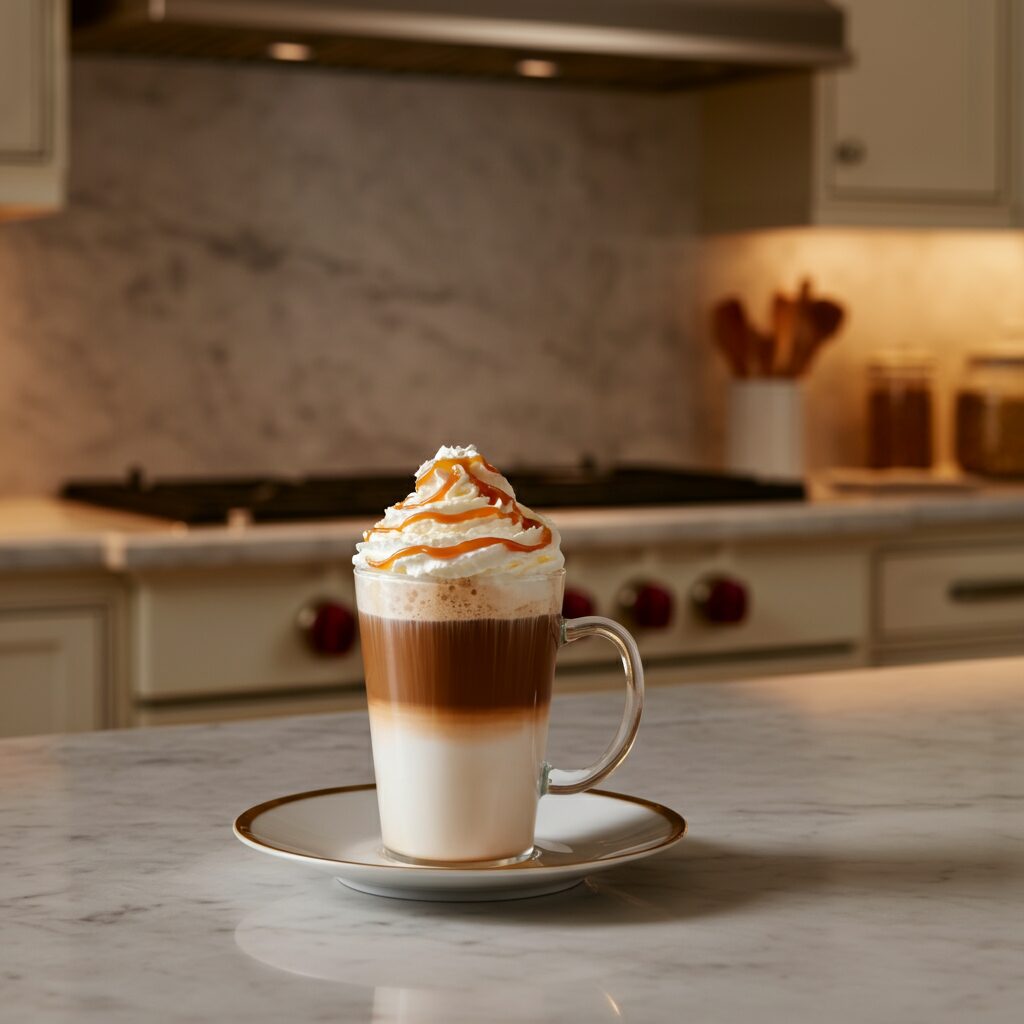
A latte, by contrast, is a high-volume drink. It is traditionally served in a tall glass or a large ceramic mug (8 to 12 ounces or more).
The handle is necessary because the larger volume of hot liquid would make a handleless glass too hot to hold comfortably for the duration of the drink.
Nutritional Breakdown: Calories and Caffeine
For those monitoring their intake, the nutritional differences between these two drinks are substantial, primarily due to the volume of milk.
The table below compares a standard Cortado (made with 2oz espresso and 2oz whole milk) against a standard 12oz Latte (made with 2oz espresso and 10oz whole milk).
| Feature | Cortado (4 oz) | Latte (12 oz) |
| Calories | ~35 – 45 | ~180 – 220 |
| Fat | ~2g | ~9 – 11g |
| Sugars (Natural) | ~3g | ~13 – 15g |
| Caffeine | ~130 – 150mg | ~130 – 150mg |
| Protein | ~2g | ~10 – 12g |
Note: Nutritional values can vary based on milk type (oat, almond, skim) and specific coffee shop recipes.
A Note on Caffeine
A common misconception is that a larger drink provides more energy. However, if both drinks are made with a double shot of espresso, they contain the exact same amount of caffeine.
The cortado will simply taste stronger because the caffeine is concentrated in a smaller volume of liquid, giving you that “buzz” sensation faster than sipping a large latte over 30 minutes.
Price Differences
Because lattes require significantly more milk and a larger cup, they are almost always more expensive than cortados.
However, the price gap has narrowed in specialty coffee shops due to the labor involved in dialing in the perfect espresso shot, which is required for both.
- Cortado Price Range: $3.50 – $4.75
- Latte Price Range: $4.50 – $6.50
If you are visiting a large commercial chain, you may find that cortados are not explicitly on the menu.
In these cases, ordering a “short” or “8oz” latte is often the closest equivalent, though the ratio will still lean heavier on the milk than a true cortado.
Origins and Cultural Significance
The history of these drinks reflects the coffee cultures from which they emerged.
The Spanish Cortado
Originating in Spain (specifically the Basque country), the cortado was created as an afternoon drink.
It was designed for people who wanted to enjoy the quality of the espresso but needed to lower the acidity to make it easier on the stomach.
It is a practical, no-nonsense drink typically consumed quickly while standing at a bar or during a brief pause in the day.
The Italian-American Latte
While “caffè e latte” exists in Italy as a breakfast drink made at home, the commercial latte as we know it is largely an American invention popularized by Seattle coffee culture in the 1980s.
It was designed to make espresso palatable to a wider audience who found straight coffee too bitter. It is a drink of leisure, often associated with sitting in a café for hours, socializing, or working.
Frequently Asked Questions
Is a cortado stronger than a latte?
In terms of flavor intensity, yes. A cortado has a much stronger coffee taste because the espresso is less diluted.
In terms of caffeine content, they are usually equal, provided both are made with a double shot of espresso.
Can I get a flavored cortado?
You can, but it is uncommon. Purists argue that adding vanilla or caramel syrup defeats the purpose of a cortado, which is to taste the roast profile of the beans.
Lattes are the better vehicle for syrups because the large amount of milk balances the sugar.
Can I order an iced cortado?
Yes, an iced cortado is a delicious, refreshing option. It is typically served in a small tumbler with ice, 2oz of espresso, and just a splash of cold milk to maintain that 1:1 ratio.
Which is healthier?
If you are looking to reduce calories and sugar, the cortado is the healthier option. It gives you the benefits of espresso with only a fraction of the calories found in a latte.
The Verdict: Which Should You Choose?
The choice between a cortado and a latte ultimately depends on what you want from your coffee break.
Order a Cortado if:
- You love the taste of espresso but want to cut the acidity.
- You want a quick caffeine fix without drinking 12 ounces of liquid.
- You prefer a silky texture without heavy foam.
- You are watching your calorie intake.
Order a Latte if:
- You prefer a creamy, sweet, and mild coffee flavor.
- You want a larger drink to sip on for a longer period.
- You enjoy flavored syrups or latte art.
- You want a comforting, “cozy” beverage.
Next time you are at the counter, you don’t have to guess.
Whether you choose the bold precision of the Spanish cortado or the milky comfort of the latte, you are now equipped to order the perfect cup for your palate.

Naeem is a passionate drink enthusiast and recipe curator behind DrinkWhisper.com. With 10 years of exploring cafes, bars, and home mixology trends, he shares inspiring drinks, creative cocktails, and refreshing non alcoholic recipes for every occasion.