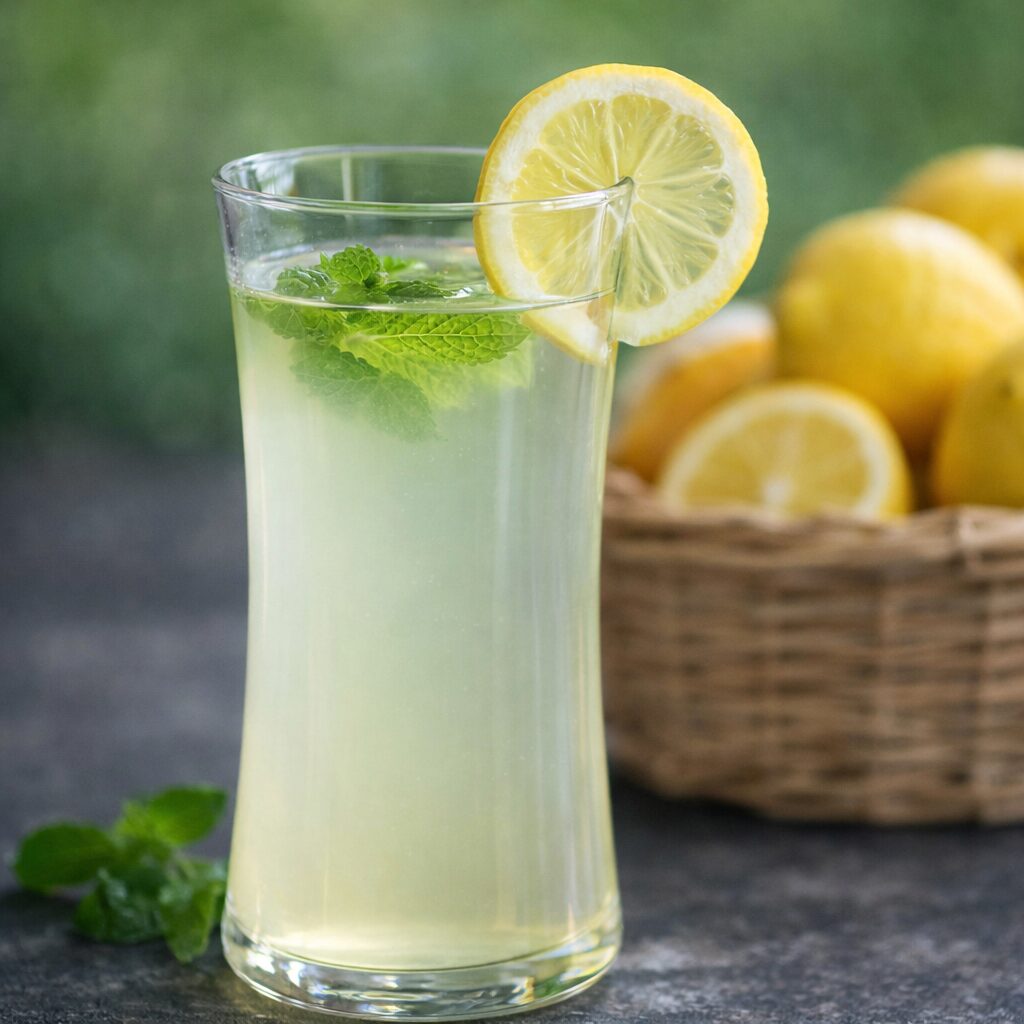
Lemonade is a beverage that transcends borders and centuries.
From its origins in 12th-century Egypt to the bustling Compagnie de Limonadiers in 1676 Paris, this drink has remained a staple for one reason: the perfect balance of acidity and sweetness.
However, creating the perfect glass requires more than just mixing powder with water. It requires understanding the nuances of your primary ingredient: fresh lemon juice.
The Golden Ratios: Balancing Acid and Sweetness
The secret to excellent lemonade is the ratio of lemon juice to sugar and water.
There is no single “correct” ratio, as it depends entirely on your palate and the tartness of the specific lemons you are using. However, culinary research establishes three distinct baselines.
The Classic Ratio (2:1:3)
Recommended by culinary experts for a tart, bold flavor.
- Composition: 2 parts lemon juice, 1 part sugar, 3 parts water.
- Profile: High acidity, moderate sweetness. This is closer to a “lemon squash” or concentrate that is often diluted over melting ice.
The Old-Fashioned Ratio (1:1:6)
The traditional American potluck standard.
- Composition: 1 part lemon juice, 1 part sugar, 6 parts water.
- Profile: Milder, easy to drink in large quantities, and sweeter relative to the acid content.
The Simple Syrup Ratio (1:1:Varies)
The most consistent method for smooth texture.
- Composition: 1 cup sugar dissolved in 1 cup water (simple syrup), mixed with 1 cup lemon juice, diluted with cold water to taste.
- Profile: Perfectly smooth with no gritty sugar crystals.
Fresh Lemon Juice vs. Bottled Concentrate
The most critical variable in your lemonade is the source of the lemon juice. While bottled options offer convenience, they differ significantly from fresh juice in terms of chemistry and flavor.
Bottled lemon juice is pasteurized to increase shelf life, often lasting up to 9 months in the refrigerator after opening.
However, the heating process involved in pasteurization alters the flavor compounds, often resulting in a “cooked” or metallic taste.
Additionally, preservatives like sodium benzoate and sulfites are frequently added.
Fresh lemon juice contains volatile aromatic oils and high levels of Vitamin C. However, it oxidizes quickly.
For the best flavor, fresh juice should be consumed within 24 hours, though it can remain safe in the refrigerator for up to 4 days.
Comparison of Lemon Juice Types
| Feature | Fresh Lemon Juice | Bottled Lemon Juice |
| Flavor Profile | Bright, floral, high acidity | Flat, slightly metallic, consistent |
| Vitamin C (per cup) | ~94 mg (105% DV) | ~77 mg (varies by brand) |
| Shelf Life (Fridge) | 1–4 days | Up to 9 months (opened) |
| Additives | None | Preservatives (Sodium Benzoate, Sulfites) |
| Best For | Premium lemonade, cocktails | Cooking, baking, marinades |
Advanced Techniques for Maximum Flavor
To extract the most flavor from your lemons, consider using techniques that go beyond simple juicing.
1. Rolling the Fruit
Before cutting, roll the lemons firmly on the countertop using the palm of your hand. This bursts the internal cell walls, making the juice easier to extract and increasing the yield.
A standard lemon yields approximately 3 to 4 tablespoons (roughly 48g) of juice.
2. Maceration (Oleo Saccharum)
This technique utilizes the essential oils found in the lemon peel, which contain more lemon flavor than the juice itself.
Method
Peel the lemons before juicing them. Toss the peels in the measured sugar and let them sit for 3 to 12 hours. The sugar draws the oils out of the skins, creating a vibrant yellow syrup.
Result
A lemonade with a deep, complex citrus aroma that juice alone cannot achieve.
3. The Simple Syrup Method
Cold water is poor at dissolving sugar crystals. To avoid a gritty texture at the bottom of the pitcher, combine equal parts sugar and water in a saucepan.
Heat gently until the liquid is clear, then let it cool. This “simple syrup” mixes instantly with the lemon juice and cold water.
Global Variations of Lemonade
Lemonade is not a monolith; it varies significantly across cultures.
North American Style
Typically cloudy, made with still water, served over ice.
French Style (Citron Pressé)
Deconstructed lemonade. You are served a carafe of lemon juice, a bowl of sugar, and water, allowing you to mix your own ratio.
British/Australian Style
Usually refers to a clear, carbonated, lemon-lime soft drink (like Sprite).
Indian Style (Nimbu Paani/Shikanjvi)
It often includes salt, roasted cumin, ginger juice, or black salt (kala namak) to aid hydration and digestion in extreme heat.
Middle Eastern Style (Limonana)
Blended with generous amounts of fresh mint leaves, creating a bright green, slushy beverage.
Nutritional Breakdown
While lemons are nutritious, lemonade is an indulgence due to the sugar content. Below is the nutritional data for a standard 8 oz (240ml) serving of homemade lemonade prepared with a classic ratio.
Nutritional Values per 8 oz Serving
| Nutrient | Amount |
| Calories | ~110–120 kcal |
| Total Carbohydrates | 28g |
| Sugars | 26g |
| Vitamin C | 15–20 mg (20-30% DV) |
| Fat | 0g |
| Protein | 0g |
| Caffeine | 0mg |
Note: Nutritional values vary based on the sugar-to-water ratio. Using a maceration technique may slightly increase calorie count due to higher sugar density in the syrup.
Frequently Asked Questions
How long does fresh lemon juice last in the fridge?
Freshly squeezed lemon juice is best consumed within 24 hours for optimal flavor. It can be stored in an airtight container in the refrigerator for up to 4 days, though it may lose some of its brightness.
Why is my homemade lemonade bitter?
Bitterness usually comes from the white pith of the lemon. If you are adding lemon slices to the pitcher, ensure they are washed thoroughly.
If you are macerating peels, ensure you only peel the yellow zest and avoid the white pith underneath. Also, leaving lemon slices in the water for more than a few hours can extract bitter compounds.
Can I freeze fresh lemon juice?
Yes. Freezing lemon juice is an excellent way to preserve it. Pour the juice into ice cube trays. Once frozen, transfer the cubes to a freezer bag. They will maintain their quality for 3 to 4 months.
Is pink lemonade a different flavor?
Historically, pink lemonade was colored with fruit juices like cranberry, raspberry, or strawberry, which added a subtle berry flavor.
However, many commercial pink lemonades today use food dye and taste identical to traditional lemonade.
Final Thoughts
By employing techniques like rolling your fruit, making a simple syrup, or even macerating the peels, you can transform three humble ingredients into a world-class beverage tailored exactly to your taste.
Whether you prefer the salty spice of an Indian Shikanjvi or the customizable nature of a French Citron Pressé, the perfect glass starts with the squeeze.

Naeem is a passionate drink enthusiast and recipe curator behind DrinkWhisper.com. With 10 years of exploring cafes, bars, and home mixology trends, he shares inspiring drinks, creative cocktails, and refreshing non alcoholic recipes for every occasion.