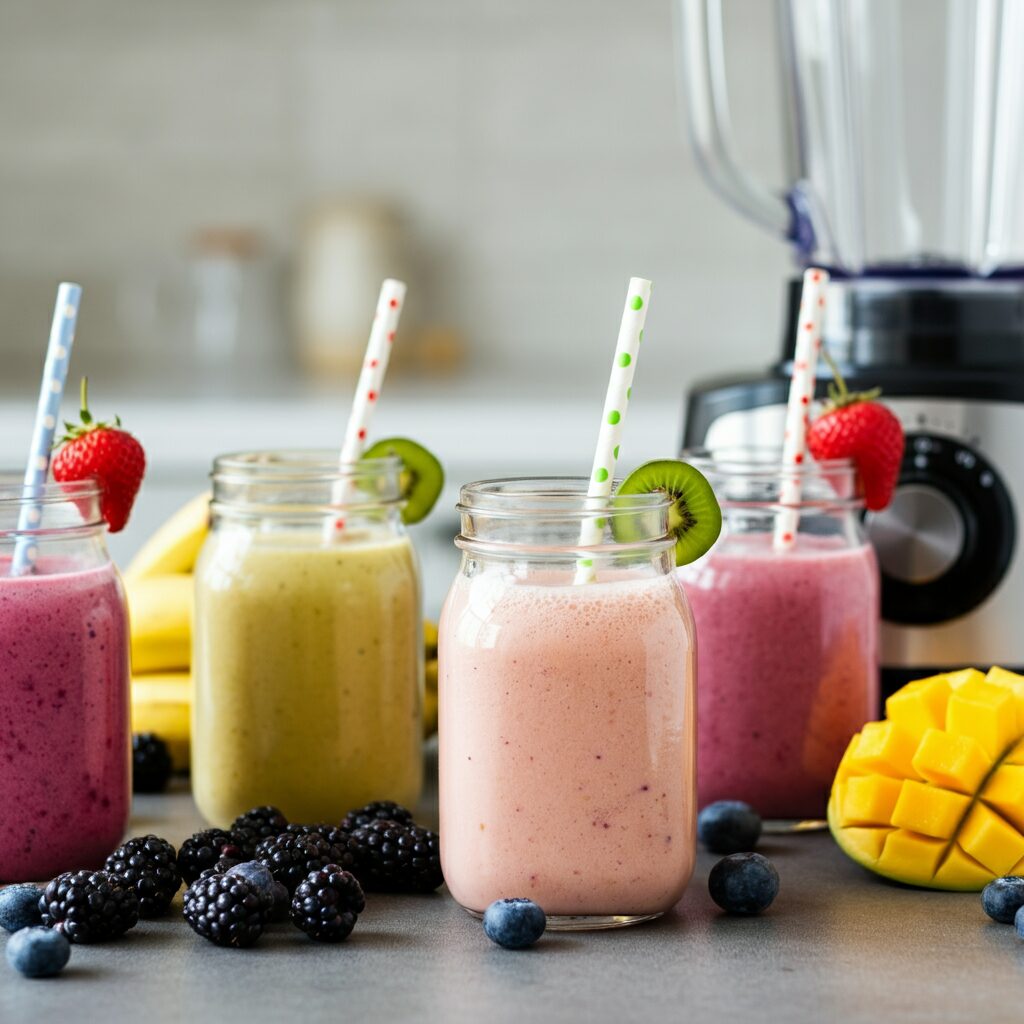
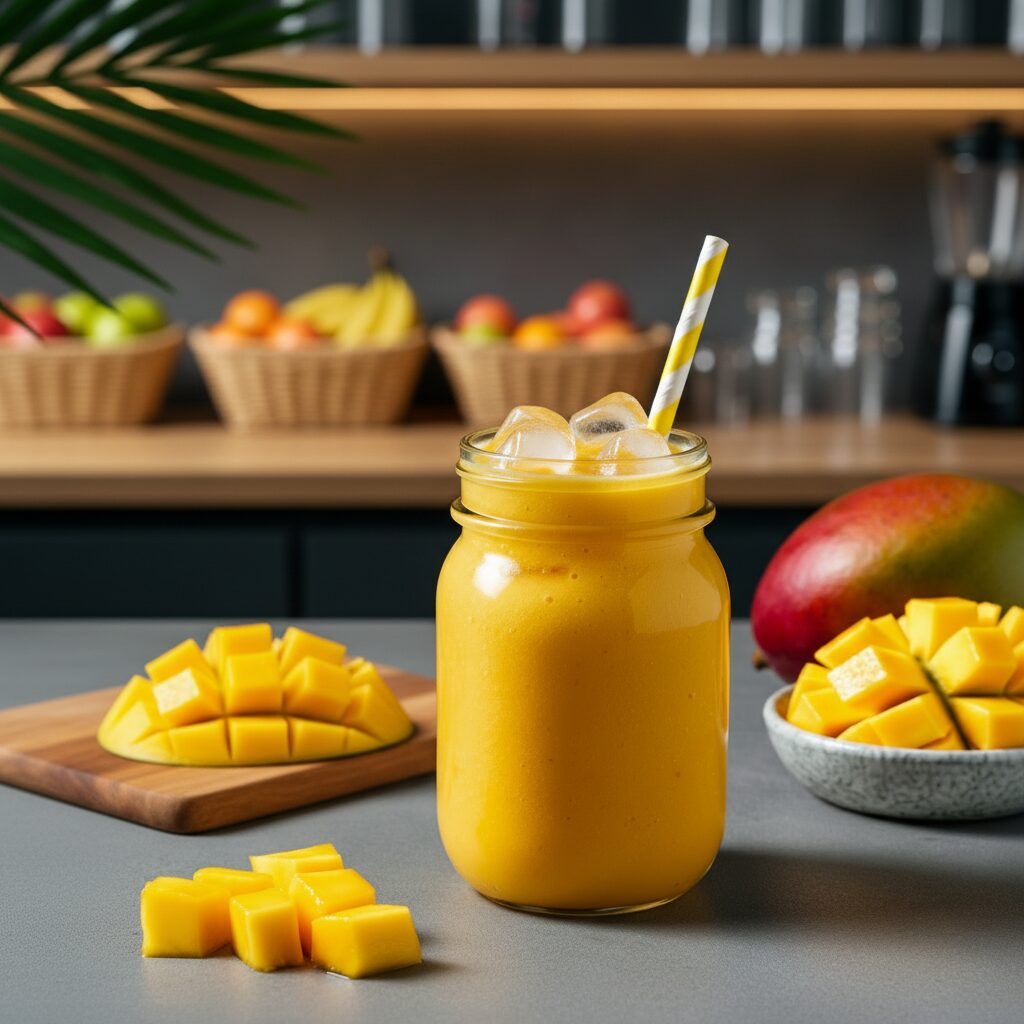
A perfectly blended mango smoothie offers more than just a sweet, tropical escape; it is a powerhouse of nutrition that can be prepared in under five minutes.
While smoothie chains charge premium prices for beverages often loaded with added sugars and fillers, making your own at home allows you to control the ingredients, texture, and nutritional value.
Why Incorporate Mango Smoothies into Your Diet?
Beyond their vibrant color and refreshing taste, mango smoothies provide a significant nutritional boost.
The Nutritional Power of Mangoes
Often called the “king of fruits,” mangoes are nutrient-dense.
A single cup of mango provides nearly 67% of the daily recommended value of Vitamin C, which is essential for a robust immune system and collagen production.
Additionally, mangoes are rich in Vitamin A, promoting eye health, and contain enzymes like amylases that aid in digestion by breaking down complex carbohydrates.
Balanced Energy Release
Unlike processed snacks that cause a sugar spike followed by a crash, a well-balanced mango smoothie provides sustained energy.
When combined with a source of protein (like Greek yogurt) and healthy fats (like chia seeds or avocado), the natural sugars in the fruit are absorbed more slowly into the bloodstream.
Hydration and Recovery
Mangoes have a high water content, making them excellent for hydration.
When blended with a liquid base like coconut water, the smoothie becomes rich in electrolytes, specifically potassium and magnesium, making it an ideal recovery drink after physical activity.
The Perfect 5-Minute Mango Smoothie Recipe
This recipe yields a thick, creamy texture without requiring ice, which can water down the flavor.
Prep time: 5 minutes
Servings: 1 (approx. 16 oz)
Ingredients
- Frozen Mango Chunks: 1 ½ cups (Using frozen fruit eliminates the need for ice).
- Banana: ½ medium ripe banana (Adds creaminess and natural sweetness).
- Liquid Base: ¾ cup to 1 cup (Unsweetened almond milk, oat milk, or coconut water).
- Protein/Creaminess: ½ cup Plain Greek Yogurt (or dairy-free alternative).
- Flavor Enhancer: 1 tsp lemon juice or lime juice (Brightens the flavor).
- Optional Boost: 1 tbsp Chia seeds or hemp hearts.
Instructions
Liquid First
Pour your liquid base (milk or coconut water) into the blender. Adding liquid first helps the blades spin freely and prevents the fruit from getting stuck.
Add Soft Ingredients
Add the yogurt, banana, and lemon juice.
Add Frozen Fruit
Top with the frozen mango chunks.
Blend
Start on low speed to break down the chunks, then increase to high speed. Blend for 45–60 seconds until completely smooth.
Adjust
If the mixture is too thick, add more liquid one tablespoon at a time. If it is too thin, add a few more frozen mango chunks.
Serve
Pour immediately into a chilled glass.
Customizing Your Base: Liquid Options Compared
The liquid you choose significantly affects the nutritional profile and texture of your smoothie. Use this table to select the best option for your dietary goals.
| Liquid Type | Texture Result | Flavor Profile | Nutritional Focus |
| Cow’s Milk (Dairy) | Very Creamy | Rich, neutral | High protein, Calcium, Vitamin D |
| Oat Milk | Creamy | Sweet, oat-like | Moderate fiber, higher carbohydrates |
| Almond Milk | Thin/Light | Nutty, subtle | Low calorie, Vitamin E |
| Coconut Water | Thin/Refreshing | Tropical, sweet | High electrolytes, low fat |
| Soy Milk | Creamy | Neutral/Beany | High protein (comparable to dairy) |
Cost Analysis: Homemade vs. Smoothie Chains
One of the most compelling reasons to make smoothies at home is the financial savings. Popular smoothie chains often mark up their products significantly.
Below is a cost comparison based on standard ingredient prices in the US market for a 16 oz serving.
Note: Prices are estimates based on national averages for grocery stores vs. major smoothie chains.
| Item | Homemade Cost (Per Serving) | Store-Bought Cost (Per Serving) |
| Mango Smoothie | $1.85 – $2.50 | $6.50 – $8.95 |
The Breakdown:
Homemade
A 3lb bag of frozen mango costs roughly $10-$12 (approx. 10 servings). Yogurt, banana, and milk add minimal cost per use.
Store-Bought
Chains have overhead costs (labor, rent, marketing) that are passed to the consumer.
Furthermore, “medium” sizes at chains are often much larger than necessary, leading to excess calorie consumption.
Nutritional Breakdown (Per 16 oz Serving)
Understanding the macronutrients helps you fit this smoothie into your daily diet. This calculation is based on the standard recipe using unsweetened almond milk and plain Greek yogurt.
- Calories: ~260 kcal
- Carbohydrates: 52g (Includes natural fruit sugars and fiber)
- Protein: 14g (Primarily from Greek yogurt)
- Fat: 3g
- Fiber: 6g
- Vitamin C: ~90% DV
Note: Swapping Greek yogurt for regular yogurt drops the protein to approx. 6g. Using oat milk instead of almond milk adds approx. 80 calories.
Variations for Every Diet
A basic mango smoothie is a blank canvas. Here are three popular adaptations to suit specific health needs.
1. The Green Mango Detox
Add a handful of fresh spinach or kale.
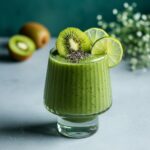
- Why: Spinach is flavor-neutral in smoothies but adds iron, Vitamin K, and antioxidants. The yellow mango masks the green color, turning it a vibrant bright green without tasting like vegetables.
2. High-Protein Post-Workout
Add 1 scoop of vanilla protein powder (whey or plant-based) and omit the sweetener.
- Why: Increases the protein content to 25g+, aiding in muscle repair. You may need to add an extra splash of liquid as protein powder absorbs moisture.
3. Spicy Anti-Inflammatory
Add ¼ teaspoon of ground turmeric and a pinch of black pepper, or a small slice of fresh ginger.
- Why: Turmeric and ginger have potent anti-inflammatory properties. This version is excellent for joint health and digestion.
Frequently Asked Questions (FAQ)
Can I use fresh mango instead of frozen?
Yes, you can use fresh mango, especially when it is in season. However, you will need to add 1 cup of ice to achieve a chilled, smoothie consistency.
How do I store leftovers?
Smoothies are best consumed immediately to prevent oxidation and separation. If you must store it, fill an airtight mason jar to the very top (to minimize air exposure) and refrigerate for up to 24 hours.
Is this smoothie suitable for diabetics?
Mangoes have a higher natural sugar content than berries. To make this blood-sugar-friendly, reduce the mango portion to ½ cup, increase the healthy fats (add avocado or nut butter), and ensure you keep the protein high.
Why is my smoothie not blending?
This usually happens if the frozen fruit is at the bottom near the blades without enough liquid. Always add your liquid and soft ingredients (banana/yogurt) first.
If it gets stuck, stop the blender, stir with a tamper or spoon, add a splash more liquid, and resume.
A mango smoothie is a simple way
Mastering the homemade mango smoothie is a simple way to upgrade your nutrition without sacrificing flavor.
By choosing high-quality ingredients and adjusting the liquid base to your preference, you create a beverage that rivals any expensive café offering in both taste and texture.
Whether you opt for the classic protein-rich Greek yogurt version or a light, coconut water-based refresher, this drink offers a versatile solution for quick energy and essential vitamins.

Naeem is a passionate drink enthusiast and recipe curator behind DrinkWhisper.com. With 10 years of exploring cafes, bars, and home mixology trends, he shares inspiring drinks, creative cocktails, and refreshing non alcoholic recipes for every occasion.