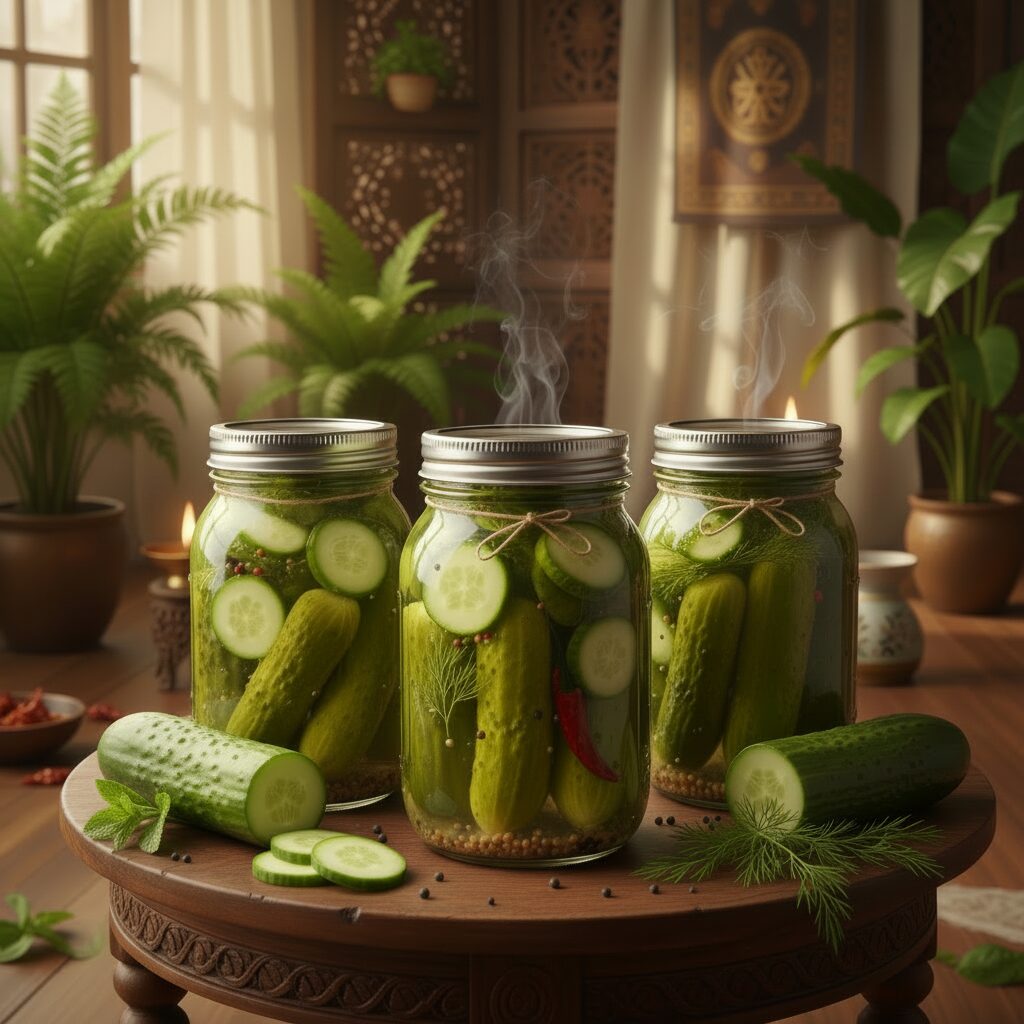
It might sound like an old wives’ tale or a strange pregnancy craving, but drinking pickle juice has moved from the back of the pantry to the sidelines of major sporting events.
From professional tennis players to long-distance runners, athletes are swapping sugary sports drinks for this briny, vinegary beverage.
Pickle Juice and Muscle Cramps
For decades, coaches believed that pickle juice cured cramps because it replenished electrolytes like sodium and potassium lost through sweat. However, recent research points to a different mechanism entirely.
The Neural Reflex Theory
Research published in Medicine & Science in Sports & Exercise found that pickle juice could stop muscle cramps in about 35 seconds, 45% faster than drinking no fluids and 37% faster than drinking water.
Relief
Interestingly, this relief happened before the electrolytes could leave the stomach and enter the bloodstream. This suggests that the vinegar (acetic acid) triggers a reflex in the back of the throat.
This neural signal travels to the brain and disrupts the misfiring neurons causing the cramp, effectively telling the muscle to relax immediately.
It’s Not Just About Electrolytes
While pickle juice is high in sodium, it does not contain enough potassium or magnesium to be considered a complete electrolyte replacement on its own compared to clinical oral rehydration solutions.
The primary “magic” ingredient for immediate cramp relief appears to be the vinegar, not just the salt.
Pickle Juice Nutrition: Commercial vs. Homemade
Not all pickle juice is created equal. The nutrient profile changes significantly depending on whether you are drinking brine from a jar of dill pickles or a commercially formulated sports shot.
Below is a breakdown of the nutritional value for a standard serving size (approx. 2.5 oz / 75 ml shot).
Nutritional Comparison Table
| Nutrient | Homemade Dill Brine (Est.) | Commercial Pickle Shot (e.g., Pickle Juice Co.) |
| Serving Size | 2.5 fl oz (75 ml) | 2.5 fl oz (75 ml) |
| Calories | 0 – 5 | 0 |
| Sodium | 800 – 900 mg | 470 mg |
| Potassium | 20 – 70 mg | 24 mg |
| Carbohydrates | 0 – 1 g | 0 g |
| Sugar | 0 g | 0 g |
| Caffeine | 0 mg | 0 mg |
| Key Ingredients | Water, vinegar, salt, dill, garlic | Filtered water, vinegar, salt, dill oil, zinc, Vitamin C, E |
Key Takeaway: Jarred pickle brine is often significantly higher in sodium than formulated sports shots.
If you are watching your salt intake for blood pressure reasons, commercial sports versions may be a safer, controlled option.
Benefits Beyond Cramps
While cramp relief is the headline benefit, pickle juice offers other potential health advantages.
Blood Sugar Regulation
The vinegar content in pickle juice may help improve insulin sensitivity.
Studies suggest that consuming vinegar before a meal can help stabilize blood sugar levels, preventing the dramatic spikes and crashes that lead to fatigue and cravings.
Gut Health
If you consume fermented pickle juice (brine from pickles made in salt water without vinegar and kept in the refrigerator), you are getting a dose of probiotics.
Probiotics
These healthy bacteria support the gut microbiome, aiding digestion and immune function. Note that shelf-stable pickles made with vinegar and heat-pasteurized generally do not contain live probiotics.
Hydration Support
Sodium is the primary electrolyte lost in sweat.
While pickle juice alone isn’t a complete hydration fluid (it lacks sufficient water volume), the high sodium content triggers thirst, encouraging you to drink more water, while helping the body retain that fluid during intense exertion.
How and When to Drink Pickle Juice
To get the most out of pickle juice without upsetting your stomach, timing and dosage are key.
For Cramp Relief
- When: The moment you feel a cramp coming on (the “pre-cramp” twitch) or immediately when cramping starts.
- How: Take a “shot” (approx. 1.5 to 2.5 oz). Swishing it in your mouth for a few seconds before swallowing may enhance the neural reflex.
For Recovery
- When: After a long, sweaty workout (endurance running, HIIT, or hot yoga).
- How: Drink 2–3 oz followed by at least 8 oz of plain water. The sodium will help you retain the water you drink.
Who Should Avoid It?
- High Blood Pressure: Due to the extremely high sodium content, those with hypertension should consult a doctor.
- Sensitive Stomachs: The high acidity of vinegar can trigger heartburn or indigestion in some people, especially on an empty stomach.
Cost Breakdown: Jar vs. Sports Shot
Is it worth buying specialized shots, or should you just keep a jar of Vlasic in your gym bag?
Jarred Pickles
A 24 oz jar of pickles costs roughly $3.00 – $5.00 USD. This provides both the snack (pickles) and the brine. It is the most cost-effective method but lacks portability and precise sodium measurements.
Commercial Shots
Specialized 2.5 oz shots (like The Pickle Juice Company) cost approximately $2.00 – $2.50 USD per shot.
These are shelf-stable, portable, and fortified with added vitamins (like Zinc and Vitamin C), making them convenient for race days or travel.
Frequently Asked Questions
Does pickle juice contain caffeine?
No, standard pickle juice and commercial pickle sports shots are caffeine-free. They rely on sodium and vinegar for their effects, not stimulants.
Is sweet pickle juice effective for cramps?
Generally, no. Sweet pickles (like bread and butter pickles) contain high amounts of sugar and often have a different vinegar-to-sugar ratio.
For cramp relief, sour or dill pickle brine is recommended because the sharp vinegar taste is essential for the neural reflex.
Can I drink too much pickle juice?
Yes. Excessive consumption can lead to hypernatremia (too much sodium in the blood), bloating, water retention, and digestive distress.
Stick to small shots (2–3 oz) rather than drinking it by the glass.
Does pickle juice help with hangovers?
Anecdotally, yes. Hangovers are largely caused by dehydration and electrolyte imbalance. The sodium in pickle juice can help replenish lost salts, while the fluids help rehydration.
However, the vinegar acidity might irritate a sensitive stomach after drinking alcohol.
Final Thoughts
Pickle juice is a legitimate, science-backed for athletes prone to muscle cramping, offering relief that works faster than water or traditional sports drinks. However, it is not a complete nutritional supplement.
- For the budget-conscious: Stick to the brine left over in your refrigerated dill pickle jars.
- For the serious athlete: Consider commercial shots for precise sodium intake and portability during events.
- For the health-conscious: Be mindful of the high sodium content and ensure you are pairing it with plenty of plain water.
Whether you love the taste or plug your nose while drinking it, that briny shot might be exactly what your muscles need to finish the race.

Naeem is a passionate drink enthusiast and recipe curator behind DrinkWhisper.com. With 10 years of exploring cafes, bars, and home mixology trends, he shares inspiring drinks, creative cocktails, and refreshing non alcoholic recipes for every occasion.