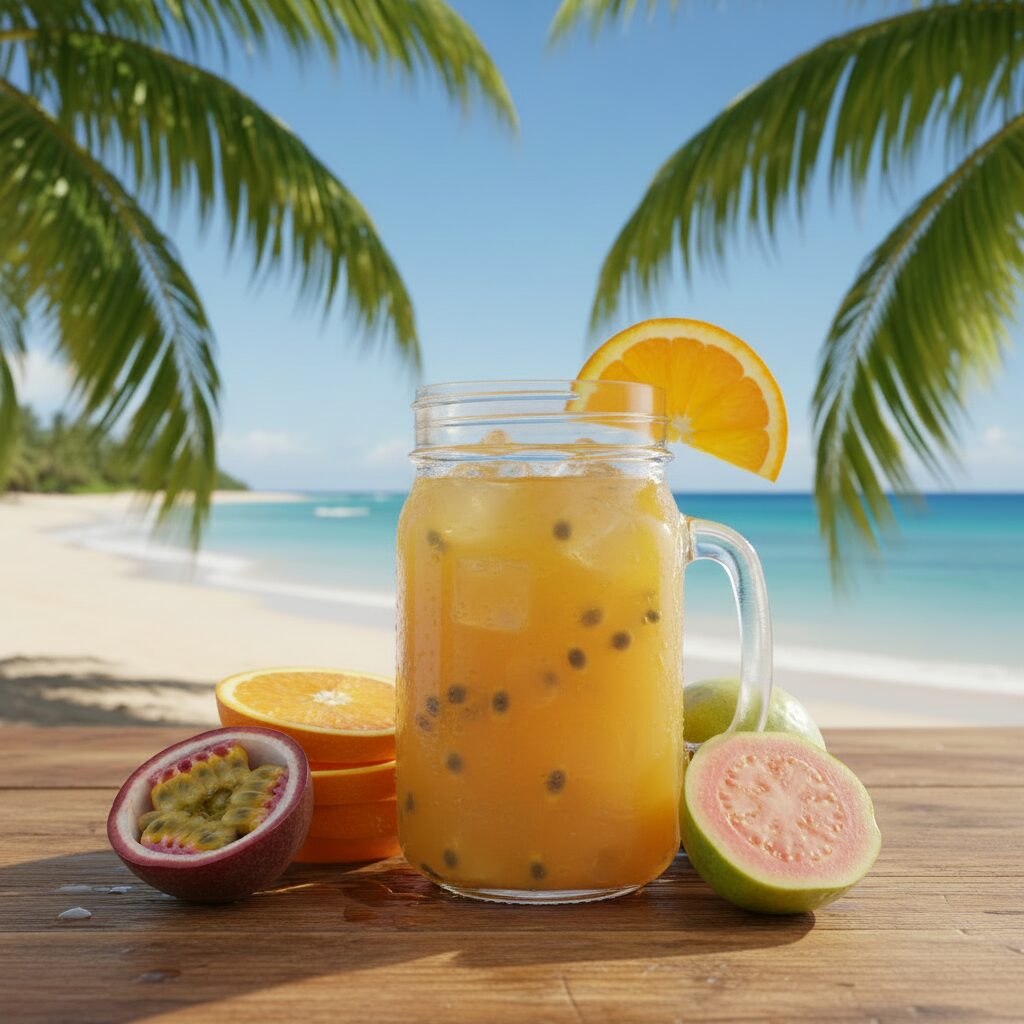

Pineapple juice is more than just a sweet mixer for tropical cocktails. Derived from the Ananas comosus plant, this vibrant yellow beverage is a nutritional powerhouse packed with vitamins, minerals, and unique enzymes.
While it is celebrated for its tart, refreshing flavor, many consumers are unaware of the specific health advantages, and potential risks, associated with drinking it regularly.
A Brief History and Origin
Native to South America, the pineapple has been cultivated for centuries. While its exact arrival in Hawaii remains a topic of historical debate, the fruit became a global staple in the early 20th century.
Interestingly, pineapple juice wasn’t always a primary product. In the 1930s, the Hawaiian Pineapple Company developed a clarification process to capture the fruit’s aroma and flavor in liquid form.
This innovation allowed the industry to expand beyond canned fruit slices, turning juice into a popular breakfast commodity and culinary ingredient.
Today, major producers include Thailand, Indonesia, and the Philippines, which together account for nearly half of the world’s consumption.
Nutritional Breakdown
Understanding what is in your glass is the first step to making healthy choices. Pineapple juice is nutrient-dense, but it is also high in natural sugars.
The following table outlines the nutritional value for a standard 1 cup (8 fl oz / 250g) serving of unsweetened, canned pineapple juice.
| Nutrient | Amount per Serving | % Daily Value (DV)* |
| Calories | ~132 kcal | – |
| Total Fat | 0.3 g | 0% |
| Protein | 0.9 g | – |
| Carbohydrates | 32.2 g | 12% |
| Sugars | 25 g | – |
| Dietary Fiber | 0.5 g | 2% |
| Vitamin C | 109 mg** | ~120% |
| Manganese | 1.26 mg | 55% |
| Copper | 0.17 mg | 19% |
| Potassium | 325 mg | 7% |
| Caffeine | 0 mg | 0% |
Top Health Benefits
Research links the nutrients in pineapple juice to several promising health outcomes, ranging from improved digestion to enhanced immunity.
1. Digestive Support and Bromelain
Pineapple is the only major dietary source of bromelain, a mixture of proteolytic enzymes.
These enzymes function as proteases, meaning they break down protein molecules into amino acids and small peptides. This makes protein easier for the gut to absorb.
For individuals with pancreatic insufficiency, a condition where the pancreas cannot make enough digestive enzymes, bromelain can improve digestion.
Furthermore, animal studies suggest these enzymes may protect the gut from harmful bacteria such as E. coli.
2. Immune System Enhancement
A single cup of pineapple juice often provides more than 100% of your daily recommended Vitamin C intake.
Vitamin C is an antioxidant that protects cells from damage and aids in immune function.
Historical studies have shown that children who consumed canned pineapple daily had fewer viral and bacterial infections and recovered faster than those who did not.
3. Anti-Inflammatory Properties
Inflammation is a natural immune response, but chronic inflammation is linked to various diseases. The bromelain in pineapple juice has been shown to reduce inflammation and swelling.
This is particularly relevant for recovery after surgery or strenuous exercise. For example, bromelain is often studied for its ability to reduce pain, bruising, and swelling following dental or nasal surgeries.
4. Heart Health
Emerging research from 2024 suggests that bromelain provides protection against atherosclerosis by improving lipid metabolism and reducing oxidative stress.
While human trials are still ongoing, animal studies have indicated that pineapple consumption can reduce cholesterol and triglyceride levels, potentially supporting better vascular health.
Fresh vs. Canned: The Bromelain Factor
Not all pineapple juice is created equal. The processing method significantly alters the nutritional content, specifically regarding bromelain.
Fresh / Cold-Pressed Juice
Contains the highest levels of active bromelain. To get the enzymatic benefits regarding digestion and inflammation, fresh juice is superior.
Canned / Pasteurized Juice
The heat required for canning and pasteurization destroys most of the bromelain enzymes. While you still get the benefits of Vitamin C and Manganese, the digestive enzyme activity is negligible in shelf-stable products.
Taste, Texture, and Serving Styles
Pineapple juice offers a complex flavor profile that balances intense sweetness with high acidity.
- Taste: It is distinctly tart and tangy due to the citric and malic acids, followed by a sugary finish.
- Texture: Unfiltered or fresh juice may be thicker with some pulp, providing a heavier mouthfeel. Commercial canned juice is usually clarified and filtered, resulting in a smooth, thin liquid.
Common ways to consume:
- Straight: As a breakfast drink (similar to orange juice).
- Culinary: Used as a marinade for meats. The bromelain breaks down meat proteins, acting as a powerful tenderizer.
- Mixology: A key ingredient in cocktails like the Piña Colada or non-alcoholic punches to add acidity and froth.
Market Cost and Availability
Prices for pineapple juice vary depending on whether you are buying mass-market shelf-stable bottles or fresh, small-batch options.
| Type | Brand / Source | Quantity | Approx. Price (USD) | Price per Fl Oz |
| Canned/Bottled | Dole (Standard) | 64 fl oz | ~$3.48 | $0.05 |
| Canned/Bottled | Libby’s (100% Juice) | 64 fl oz | ~$5.98 | $0.09 |
| Premium Blend | Langers | 64 fl oz | ~$6.97 – $13.94 | $0.11 – $0.21 |
| Fresh Pressed | Specialty Juice Bar | 16 fl oz | ~$11.00 | $0.68 |
Note: Prices are based on current 2025/2026 retail data and may vary by location.
Precautions and Side Effects
While nutritious, pineapple juice requires moderation.
Sugar Content
With 25g of sugar per cup, it is comparable to many sodas. Excessive consumption can spike blood sugar and contribute to weight gain.
Acidity
The high acid content can trigger heartburn or worsen symptoms of GERD (Gastroesophageal Reflux Disease).
Drug Interactions
Bromelain can interact with certain medications. It may increase the absorption of antibiotics (like amoxicillin) and enhance the effect of blood thinners (like warfarin), increasing bleeding risks.
Unripe Toxicity
Juicing unripe pineapples can be dangerous, leading to severe vomiting and diarrhea. Always ensure the fruit is ripe before processing at home.
Frequently Asked Questions
Does pineapple juice contain caffeine?
No, pineapple juice is naturally caffeine-free. It provides energy through natural fruit sugars (fructose and glucose) rather than stimulants.
Is pineapple juice good for a cough?
Yes. The enzyme bromelain has anti-inflammatory properties that may help reduce mucus in the throat and nasal passages. It is a common home remedy for soothing a sore throat or cough.
Can I drink pineapple juice if I am taking antibiotics?
You should consult your doctor. Bromelain can increase the body’s absorption of certain antibiotics, which might lead to higher-than-intended levels of the medication in your bloodstream.
What is the recommended daily serving size?
Health experts recommend limiting fruit juice consumption to about 5 ounces (150 mL) per day to avoid excessive sugar intake. This is roughly half of a standard mug.
Final Thoughts
Pineapple juice is a delicious way to boost your intake of Manganese and Vitamin C. If you are seeking digestive or anti-inflammatory benefits, opting for fresh, unpasteurized juice is essential to ensure the bromelain remains active.
However, due to the high sugar content, it is best enjoyed in moderation or diluted with water.

Naeem is a passionate drink enthusiast and recipe curator behind DrinkWhisper.com. With 10 years of exploring cafes, bars, and home mixology trends, he shares inspiring drinks, creative cocktails, and refreshing non alcoholic recipes for every occasion.