We all know the feeling. It’s 3:00 PM, your energy is crashing, and the vending machine is calling your name. The crisp snap of a soda tab and that initial rush of sugary carbonation feels like the only thing that can get you through the rest of the day. But that temporary high is almost always followed by a sugar crash, leaving you thirstier and more tired than before.
You aren’t alone in looking for a better way to hydrate. While soda was once the king of beverages, a massive shift is happening. Health-conscious consumers are trading high-fructose corn syrup for functional ingredients, plant-based waters, and gut-healthy fizz.
The Rise and Fall of Soda: A Historical Shift
For decades, soda was a dietary staple in the United States. However, the tide has turned. According to beverage marketing data, bottled water sales surpassed carbonated soft drinks for the first time in 2016, a trend that has continued to accelerate into 2026.
Why the shift? Information is more accessible than ever. We now understand that liquid calories contribute significantly to modern health crises. The nostalgia of a vintage cola is being outweighed by the desire for longevity, leading to a boom in the “functional beverage” market, drinks that do more than just quench thirst.
Why Kick the Habit? The Real Cost of Sugary Drinks
Before diving into what you should drink, it is helpful to remember why you are making the change. The health risks associated with chronic soda consumption are well-documented and startling.
The Sugar Trap
The American Heart Association (AHA) recommends a strict limit on added sugars:
- Men: No more than 36 grams (9 teaspoons) per day.
- Women: No more than 25 grams (6 teaspoons) per day.
A single 12-ounce can of standard cola contains roughly 39 grams of sugar. That means one can put you over the daily limit before you’ve eaten a single meal.
Beyond Weight Gain
While obesity is the most cited risk, the dangers extend much further:
- Type 2 Diabetes: Frequent consumption of sugar-sweetened beverages is strongly linked to metabolic resistance.
- Bone Health: Some studies suggest that the phosphoric acid found in dark sodas can interfere with calcium absorption, potentially weakening bones over time.
- Dental Erosion: It isn’t just the sugar; it’s the acid. Carbonation creates carbonic acid, which, combined with sugar, creates a perfect storm for enamel erosion.
Effervescent Alternatives: The “Bubbly Burn” Without the Guilt
For many soda lovers, the addiction isn’t just about the caffeine or the sugar, it’s the “burn.” That sharp, fizzy sensation on the back of the throat is a sensory experience that plain water cannot replicate.
Sparkling Water and Seltzers
The easiest swap is sparkling water. Brands like LaCroix, Bubly, and AHA offer unsweetened carbonated water infused with natural fruit essences. They provide the fizz without the calories.
Pro Tip for Heavy Soda Drinkers: If plain sparkling water tastes “bitter” to you initially, look for brands like Spindrift. They add a small splash of real fruit juice. You get a few calories (usually under 15) and a punch of real flavor that bridges the gap between soda and seltzer.
Is Carbonated Water Bad for Your Teeth?
A common concern is whether sparkling water destroys tooth enamel. While carbonated water is slightly acidic (pH 3-4) compared to still water (pH 7), it is significantly less erosive than sugary soda (pH 2.5).
To protect your smile while enjoying bubbles:
- Drink sparkling water with meals to stimulate saliva flow.
- Use a straw to bypass the teeth.
- Rinse your mouth with plain water after finishing your can.
The Power of Prebiotics: Functional Sodas
If you miss the rich, syrupy texture of root beer or cola, “functional” sodas are the 2026 game-changer. Brands like OLIPOP, Poppi, and SunSip have reformulated soda to be high in fiber and low in sugar.
These drinks utilize functional ingredients like Jerusalem artichoke inulin, cassava root, and apple cider vinegar to support the microbiome.
Comparison: Traditional Soda vs. Functional Soda
How do these new-age sodas stack up against the classics?
| Feature | Traditional Cola (12 oz) | Average Prebiotic Soda (12 oz) |
| Calories | 140 – 150 | 25 – 45 |
| Total Sugar | 39g | 2g – 5g |
| Dietary Fiber | 0g | 2g – 9g |
| Sweetener | High Fructose Corn Syrup | Stevia, Monk Fruit, Fruit Juice |
| Benefit | None | Digestive health support |
Note: While healthier, these drinks often contain stevia or other non-nutritive sweeteners, which can have a distinct aftertaste for some palates.
Nature’s Hydrators: Electrolytes from the Earth
Soda is often consumed to quench thirst, but the high sugar content actually dehydrates the body. Plant-based waters are superior alternatives that replenish lost electrolytes.
Coconut Water
The original plant water, coconut water, is packed with potassium. It’s excellent for post-workout recovery. However, be mindful of labels; some brands add extra sugar. Aim for 100% pure coconut water.
Cactus Water and Maple Water
If you find coconut water too savory or thick, explore the newer contenders:
- Cactus Water (e.g., Caliwater): Made from the prickly pear cactus, this pink-hued drink contains rare antioxidants called betalains. It has fewer calories and half the sugar of coconut water, with a light, berry-like finish.
- Maple Water: This is pure sap from maple trees before it is boiled down into syrup. It contains electrolytes and a subtle sweetness that feels indulgent but is surprisingly low in glycemic index.
Brewed and Bold: Tea and Kombucha
For those who rely on soda for a caffeine kick, tea is the smartest pivot.
Iced Tea (The Right Way)
Unsweetened iced tea is a zero-calorie powerhouse. Green tea offers L-theanine, an amino acid that provides a calm, focused energy rather than the jittery spike associated with soda. If you need sweetness, try adding a splash of lemonade (an “Arnold Palmer Lite”) or a drop of monk fruit extract.
Kombucha
Kombucha is fermented tea that offers natural carbonation and probiotics. It has a complex, tart flavor profile that appeals to those who enjoy the “bite” of soda.
- Caution: Kombucha contains trace amounts of alcohol and raw bacteria. It is generally not recommended for those who are pregnant or immunocompromised.
Sparkling Yerba Mate
If you are transitioning from high-caffeine energy drinks or Mountain Dew, Yerba Mate is your best bet. Brands like Clean Cause or Guayaki offer sparkling versions that deliver a potent caffeine punch derived from holly leaves, often with much less sugar than soda.
Fruit-Forward Refreshment: DIY Mixology
Sometimes the best alternative is the one you make yourself. This allows you to control exactly what goes into your glass.
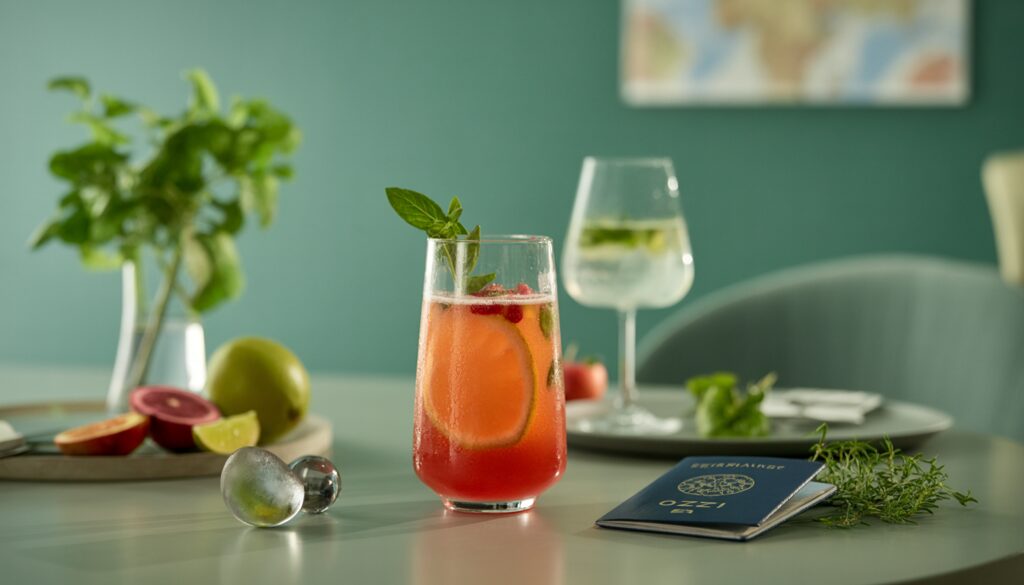
- The “Faux-ito”: Muddle fresh mint and lime in a glass. Add ice and top with plain sparkling water. It’s fresh, hydrating, and feels like a mocktail.
- Berry Smash: Mash two strawberries at the bottom of a glass. Pour in sparkling water and a squeeze of lemon.
- Cucumber Cooler: Slice cucumbers thinly and let them sit in a pitcher of water overnight. The result is spa-water refreshing and helps curb sugar cravings.
Transition Tips: How to Finally Quit Soda
Quitting “cold turkey” often leads to relapses. Your palate needs time to adjust to lower sugar levels. Use this step-by-step transition plan:
The Dilution Phase (Weeks 1-2)
Don’t stop drinking soda yet. Instead, fill your glass half with soda and half with plain sparkling water. You still get the flavor, but you instantly cut your sugar intake by 50%.
The Swap (Weeks 3-4)
Switch to functional prebiotic sodas. These mimic the taste of cola or root beer but replace the corn syrup with fiber and stevia.
The Reduction (Weeks 5-6)
Reserve sweet drinks (even functional ones) for weekends only. During the week, stick to sparkling water, tea, or infused still water.
The New Normal
By now, your taste buds have likely adjusted. If you try a regular soda, it will likely taste aggressively sweet, confirming you have broken the habit.
Frequently Asked Questions
Is diet soda a healthy alternative to regular soda?
While diet soda eliminates sugar and calories, it is not necessarily “healthy.” Studies suggest artificial sweeteners may trick the brain into craving more sugar later, and some research indicates a negative impact on gut microbiome diversity.
Can drinking sparkling water cause bloating?
Yes. The carbonation is essentially swallowed gas. If you have IBS or are prone to bloating, you may want to stick to still beverages like iced tea or cactus water.
How much sugar is okay in a “healthy” soda alternative?
Aim for drinks with 5 grams of sugar or less per serving. This is significantly lower than the 39g found in standard sodas and helps keep blood glucose stable.
Are prebiotic sodas safe for children?
Generally, yes, but start slowly. The high fiber content (up to 9g per can) can cause digestive upset (gas or cramping) in little tummies that aren’t used to a high-fiber diet.
Does carbonated water hydrate you as well as regular water?
Yes. A study published in the American Journal of Clinical Nutrition found no significant difference in hydration levels between still and sparkling water.
Which alternative is best for caffeine withdrawal?
Sparkling Yerba Mate or Matcha Green Tea are excellent swaps. They provide caffeine but also contain antioxidants and amino acids that prevent the “crash” associated with soda.
Is the acidity in Kombucha bad for teeth?
Kombucha is acidic (pH around 3.0). Like sparkling water, it is best consumed in one sitting rather than sipped throughout the day to minimize acid exposure to enamel.
Can I drink prebiotic soda if I have IBS?
Proceed with caution. Many prebiotic sodas use inulin (chicory root fiber), which is a FODMAP. For some people with IBS, this can trigger significant bloating and discomfort.
What is the most eco-friendly soda alternative?
Tap water infused with fruit at home is the most sustainable option. If you buy packaged drinks, aluminum cans (like those used for sparkling water) are recycled at much higher rates than plastic bottles.
Do healthy soda alternatives expire?
Yes. While they don’t spoil as fast as milk, natural sodas without artificial preservatives have shorter shelf lives. Prebiotic sodas and Kombucha often need to be kept refrigerated to maintain their quality and probiotic counts.
Conclusion: Pouring a New Path
Giving up soda doesn’t mean giving up joy, flavor, or that satisfying fizz. Whether you choose the gut-supporting benefits of a prebiotic cola, the electrolyte power of cactus water, or the simplicity of a lime-infused seltzer, your body will thank you.
The transition might take a few weeks, but the rewards, better energy, improved dental health, and a lower risk of chronic disease are well worth the effort. So go ahead, crack open a cold (healthy) one, and enjoy the taste of a smarter choice.

Naeem is a passionate drink enthusiast and recipe curator behind DrinkWhisper.com. With 10 years of exploring cafes, bars, and home mixology trends, he shares inspiring drinks, creative cocktails, and refreshing non alcoholic recipes for every occasion.