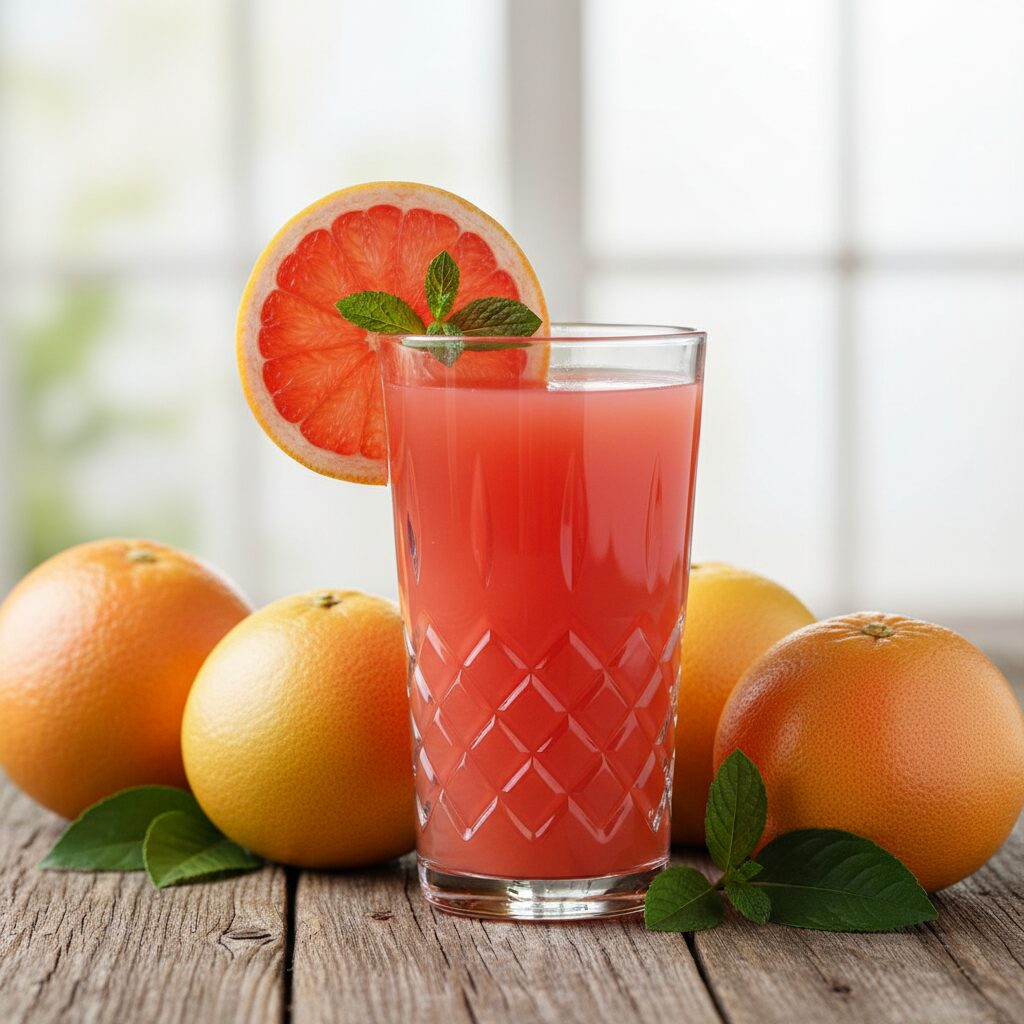
Love it or hate it, the grapefruit is a breakfast staple that packs a serious nutritional punch.
Originating in Barbados as a cross between a sweet orange and a pomelo, this vibrant citrus fruit has earned a reputation as a “superfood” for good reason.
Boosting your immune system
While its signature bitter-sweet tartness can be polarizing, the health benefits are undeniable.
From boosting your immune system to supporting heart health, grapefruit is one of the most nutrient-dense fruits you can consume.
Nutritional Breakdown: What’s Inside?
Grapefruit is incredibly hydrating and low in calories, making it an excellent choice for weight management.
It is composed of roughly 88% water, yet it remains packed with essential vitamins and minerals.
Here is the nutritional profile for half a medium-sized grapefruit (approx. 128 grams):
| Nutrient | Amount | % Daily Value (DV) |
| Calories | 52 | – |
| Carbs | 13g | – |
| Fiber | 2g | 8% |
| Protein | 1g | – |
| Vitamin C | 38mg | 43% |
| Vitamin A | 92mcg | 8% |
| Potassium | 166mg | 5% |
Data source: USDA FoodData Central
Key Health Benefits
A Heavyweight for Immune Defense
Grapefruit is famed for its Vitamin C content. Eating just half a grapefruit provides nearly 50% of your daily recommended intake.
Vitamin C acts as a powerful antioxidant, protecting your cells from harmful bacteria and viruses.
Regular consumption can help shorten the duration of the common cold and maintain the integrity of your skin as a barrier against infection.
Heart Health and Cholesterol
Regular grapefruit consumption has been linked to better heart health. It contains potassium, which is vital for managing blood pressure, and fiber, which helps lower cholesterol levels.
- Potassium: Helps relax blood vessels, reducing the risk of hypertension.
- Fiber: Soluble fiber in grapefruit can reduce LDL (“bad”) cholesterol levels.
Weight Management and Satiety
While the old “grapefruit diet” fad claimed the fruit had magical fat-burning enzymes (it doesn’t), grapefruit is still a powerful tool for weight loss.
Its high water and fiber content help you feel full, reducing the likelihood of overeating.
Studies have shown that consuming fresh grapefruit before meals is associated with weight loss and a reduction in waist circumference.
Insulin Resistance
Eating whole grapefruit may help prevent insulin resistance, a precursor to type 2 diabetes. The fruit has a low glycemic index (GI), meaning it releases sugar into the bloodstream slowly.
Research suggests that regular consumption can lead to a reduction in insulin levels, helping the body process sugar more efficiently.
Varieties and Taste Profiles
Not all grapefruits taste the same. Knowing the difference can help you choose the right one for your palate.
White/Yellow Grapefruit
The most traditional variety. It has a pale yellow skin and flesh. It is known for being the tartest and most intense, with a strong “bitter” note.
Pink Grapefruit
A balance between tart and sweet. The pink hue comes from lycopene, an antioxidant also found in tomatoes.
Ruby Red Grapefruit
The sweetest variety with the highest amounts of Vitamin A and lycopene. It has vibrant red flesh and a thinner rind.
Important Safety Warning: Drug Interactions
Before adding grapefruit to your daily routine, it is crucial to check your medications. Grapefruit contains compounds called furanocoumarins that block the CYP3A4 enzyme.
This enzyme helps your body metabolize drugs.
If the enzyme is blocked, too much of the medication can enter your bloodstream, leading to potentially dangerous side effects.
Common medications that interact with grapefruit include:
- Statins (Cholesterol drugs like Lipitor/Atorvastatin and Zocor/Simvastatin)
- Blood Pressure medications (like Nifedipine)
- Antihistamines (like Allegra/Fexofenadine)
- Anti-anxiety drugs (like Buspirone)
Always consult your doctor or pharmacist if you are taking prescription medication.
How to Make Fresh Grapefruit Juice at Home
Store-bought juice often contains added sugars. Making it at home is simple and ensures you get the full nutritional benefit.
Method 1: The Blender Method (Maximum Fiber)
- Peel: Remove the thick rind and as much white pith as possible from 1 large grapefruit. Remove seeds.
- Blend: Place the segments into a high-powered blender.
- Process: Blend on high for 45-60 seconds until frothy and juicy.
- Strain (Optional): Pour through a fine-mesh sieve if you prefer smooth juice, or drink as-is for the fiber benefits.
Method 2: The Hand Squeeze
- Cut: Slice the grapefruit in half crosswise.
- Squeeze: Use a handheld citrus reamer or a tabletop press.
- Mix: If the juice is too tart, mix it with fresh orange juice (a 50/50 ratio) to naturally sweeten it without adding sugar.
Frequently Asked Questions
Does grapefruit actually burn belly fat?
No food “burns” fat on its own. However, grapefruit is low in calories and high in volume (due to water and fiber), which promotes satiety. This makes it easier to maintain a calorie deficit, which leads to weight loss.
Can people with diabetes eat grapefruit?
Generally, yes. Grapefruit has a low glycemic index (GI of roughly 25), meaning it doesn’t cause sharp spikes in blood sugar. However, portion control is still important.
Why is my grapefruit juice bitter?
The bitterness comes from naringin, a flavonoid found in citrus. To reduce bitterness, choose Ruby Red varieties, or mix the juice with sweeter fruits like oranges or pineapple.
How much does fresh grapefruit cost?
Prices vary by season and region. In the US, a single fresh grapefruit typically ranges from $1.00 to $1.50. In other regions, 500ml of fresh juice can cost around $0.70 to $1.50 depending on the local market rates.
Final Thoughts
Whether you are looking to boost your Vitamin C intake, manage your weight, or simply enjoy a refreshing breakfast, grapefruit is a versatile choice.
For the best health benefits, opt for the whole fruit rather than processed juice to maximize fiber intake.
If you are on medication, always double-check with your healthcare provider, but for everyone else, this nutritional powerhouse deserves a spot in your fruit bowl.

Naeem is a passionate drink enthusiast and recipe curator behind DrinkWhisper.com. With 10 years of exploring cafes, bars, and home mixology trends, he shares inspiring drinks, creative cocktails, and refreshing non alcoholic recipes for every occasion.