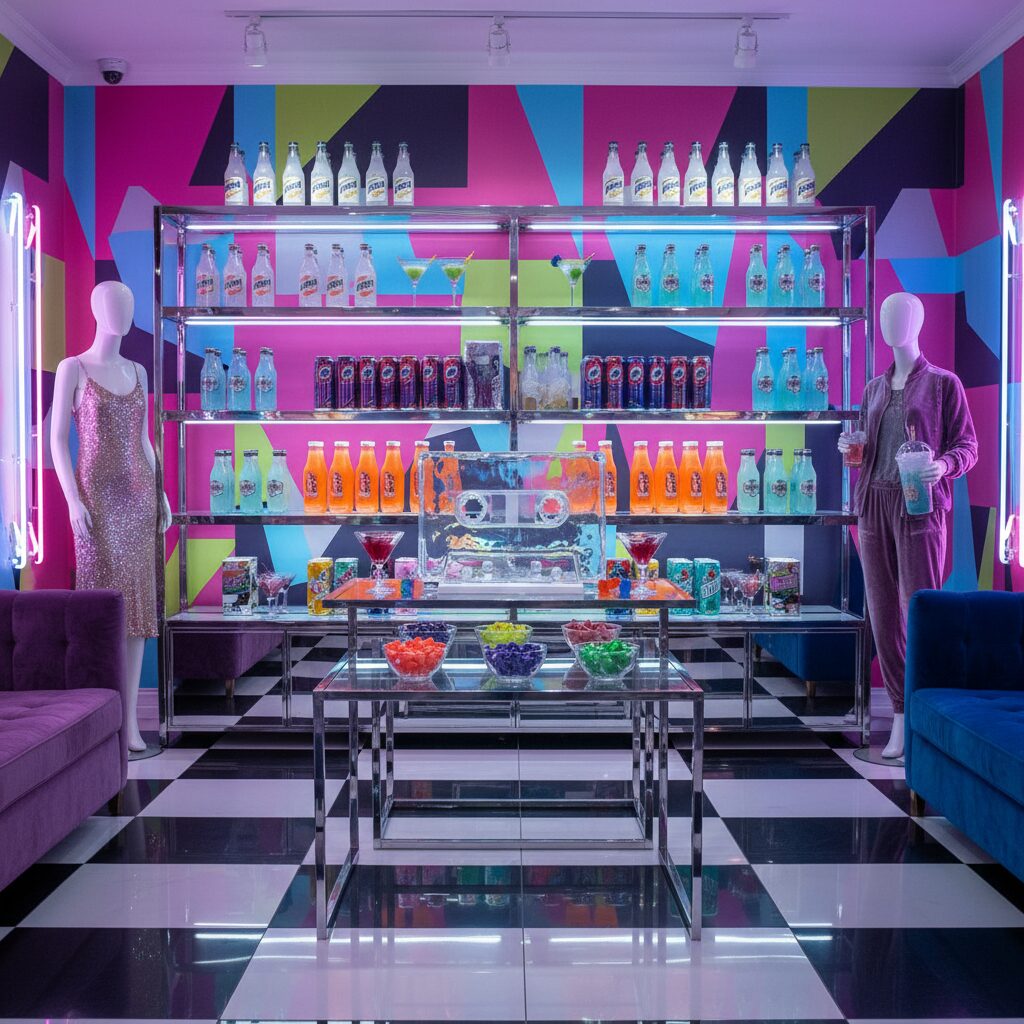
If you closed your eyes and thought of the 1990s, you would likely visualize a specific color palette: teal, magenta, and neon yellow. This wasn’t just true for windbreakers and Saved by the Bell title cards; it was the aesthetic of what we drank.
The 90s was a distinct era for beverages, moving away from the stiff, brown liquor sophistication of previous decades toward something louder, sweeter, and significantly more artificial.
From the clear beverage craze that gave us Zima and Crystal Pepsi to the rise of the “martini” that contained neither gin nor vermouth, 90s drinks were about fun. They were accessories to a lifestyle, heavily influenced by the rise of cable television and celebrity culture.
Whether you were watching Sex and the City characters sip pink concoctions or trading Surge sodas in the school cafeteria, what you drank said something about who you were.
Today, we aren’t just looking back with rose-colored glasses. We are analyzing the nutrition, the sensory profiles, and the current 2026 cost of recreating these iconic sips.
Whether you are hosting a throwback party or just curious about the drinks that raised a generation, here is the ultimate guide to 90s liquid nostalgia.
What Defined the 90s Cocktail Scene?
Before we dive into the specific recipes, it helps to understand the philosophy of the 90s bartender. This decade was the bridge between the dark ages of cocktail history and the modern craft renaissance. The focus was rarely on fresh juice or subtle balance.
Instead, the 90s prioritized:
- Vodka Dominance: Vodka was the undisputed king, specifically brands like Absolut and Skyy.
- Artificial Fruit: Sour mix, fruit liqueurs (schnapps), and neon syrups were standard.
- The “tini” Suffix: Anything served in a V-shaped glass was called a martini, regardless of ingredients.
- Sweetness: Sugar was not a dirty word; it was the main event.
The Neon Cocktail Icons
These are the drinks that dominated bars from 1990 to 1999. They are bright, sweet, and undeniably effective.
Why did the Cosmopolitan take over the world?
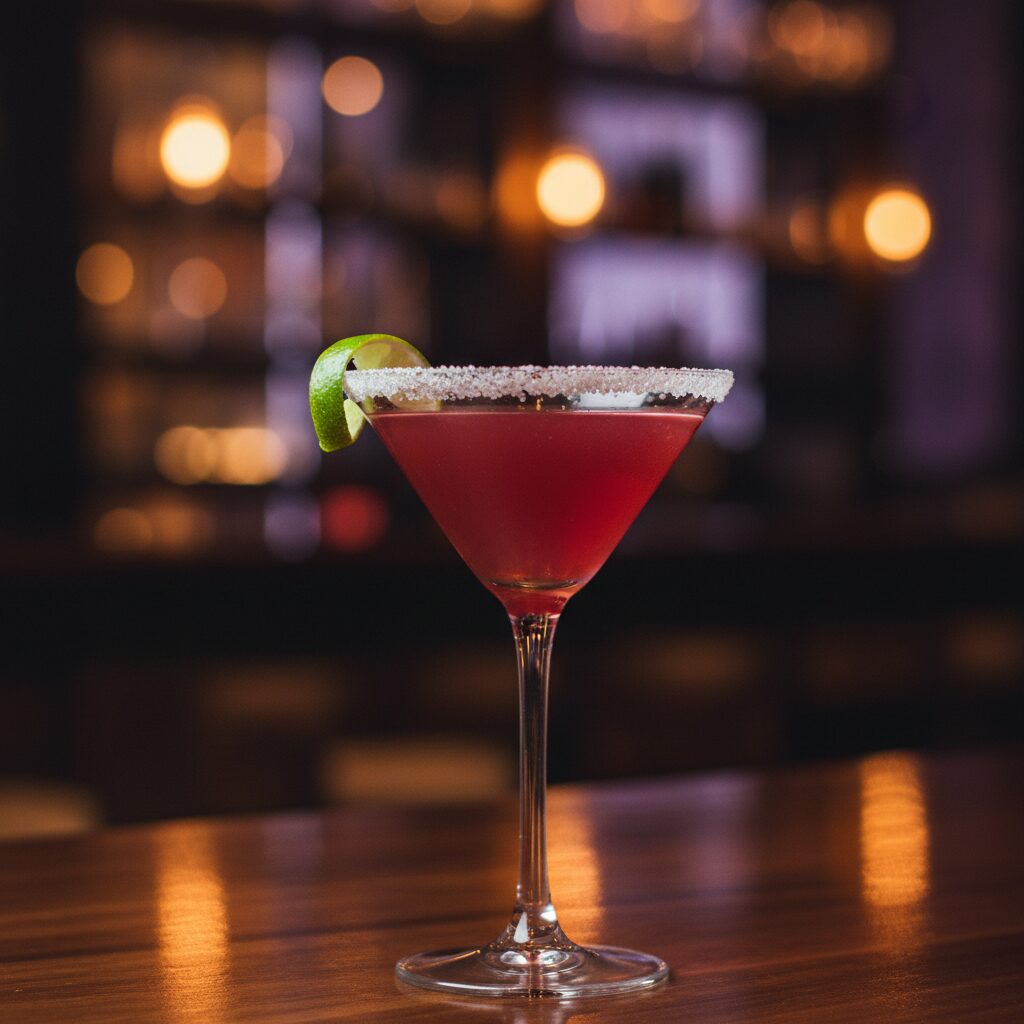
While the Cosmopolitan existed in various forms prior to the 90s, it became a cultural juggernaut in the late 90s.
It is widely accepted that Sex and the City did for the Cosmo what James Bond did for the Vesper. It was sophisticated yet accessible, boasting a blushing pink hue that looked great on camera.
A proper 90s Cosmo is a balancing act between the tartness of cranberry and the sweetness of Cointreau or Triple Sec.
Unlike many other drinks of the era, this one has survived because it actually tastes good when made correctly.
The Classic 90s Recipe:
- 1.5 oz Citrus Vodka (Absolut Citron was the go-to)
- 1 oz Cointreau
- 0.5 oz Fresh lime juice
- 1 dash Cranberry juice (just for color)
How did the Appletini become the default “fun” drink?
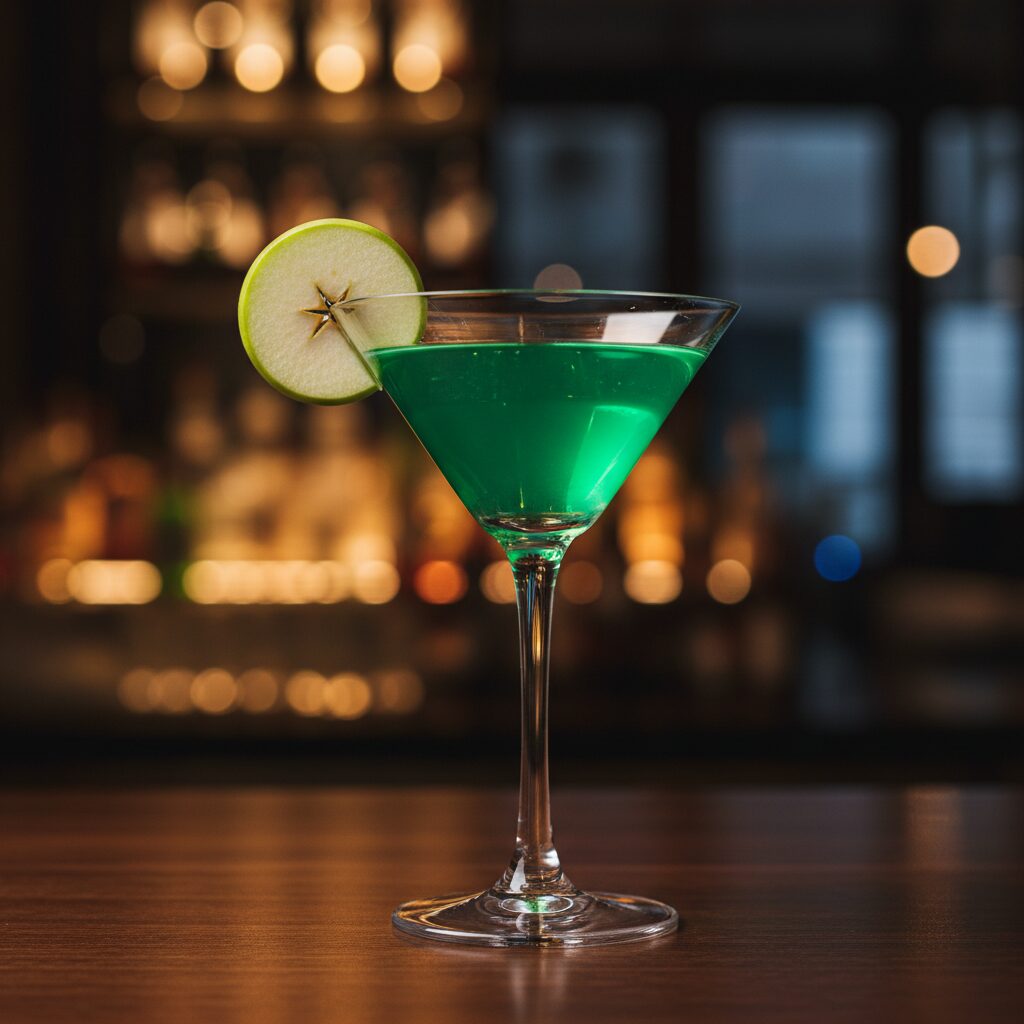
If the Cosmo was for the fashion-forward, the Appletini was for everyone else. This neon green beacon of sugar is synonymous with 90s nightlife.
It gained immense popularity for masking the taste of alcohol almost entirely, replacing the burn of vodka with the flavor of a melted Jolly Rancher.
The key ingredient here is sour apple schnapps (usually DeKuyper Pucker). It provides that radioactive green color and lip-pursing tartness.
The Classic 90s Recipe:
- 1.5 oz Vodka
- 1 oz Sour apple schnapps
- 1 oz Sweet and sour mix
Was the Espresso Martini actually a 90s drink?
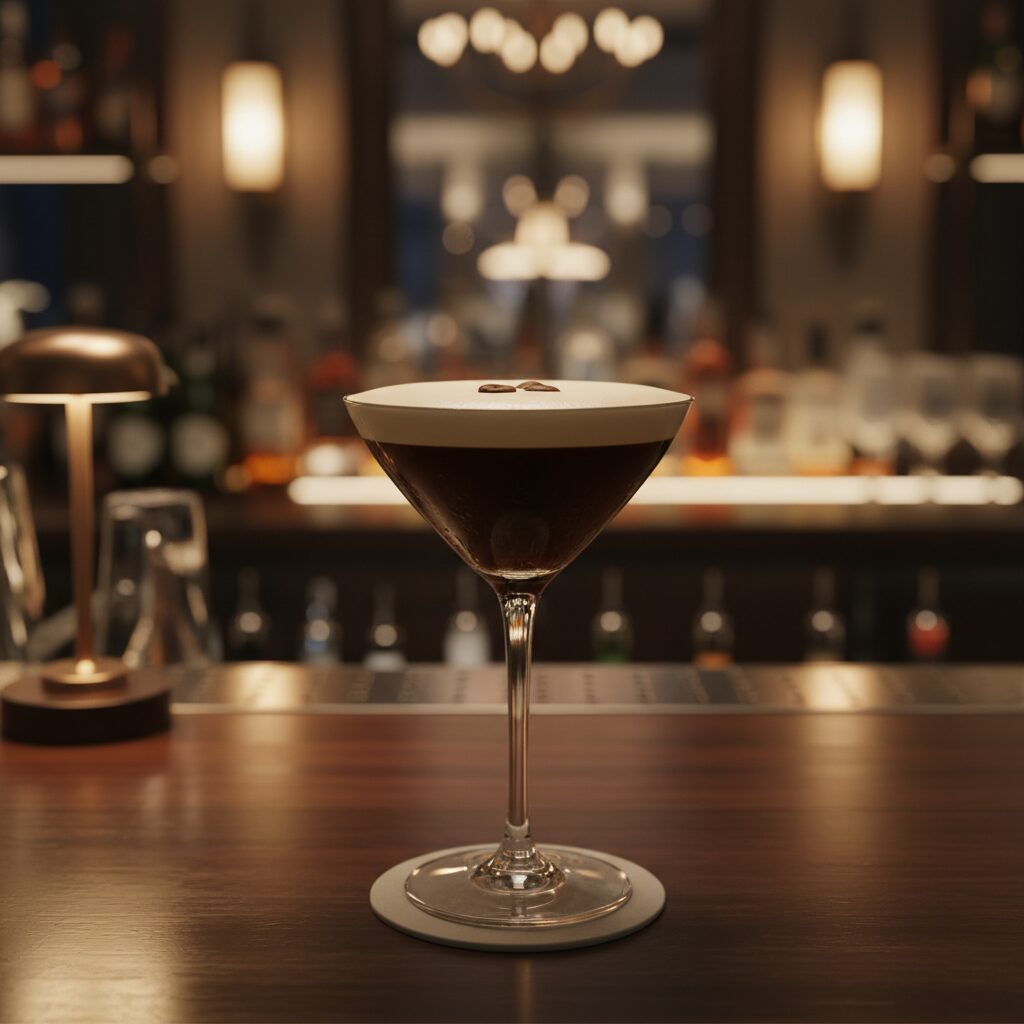
While created in the 80s by Dick Bradsell, the Espresso Martini found its spiritual home in the high-energy, sleep-deprived culture of the 90s.
It was the perfect fuel for a generation obsessed with “working hard and playing hard.” It bridged the gap between the coffee house explosion (thanks, Friends) and the club scene.
The Long Island Iced Tea: Chaos in a glass
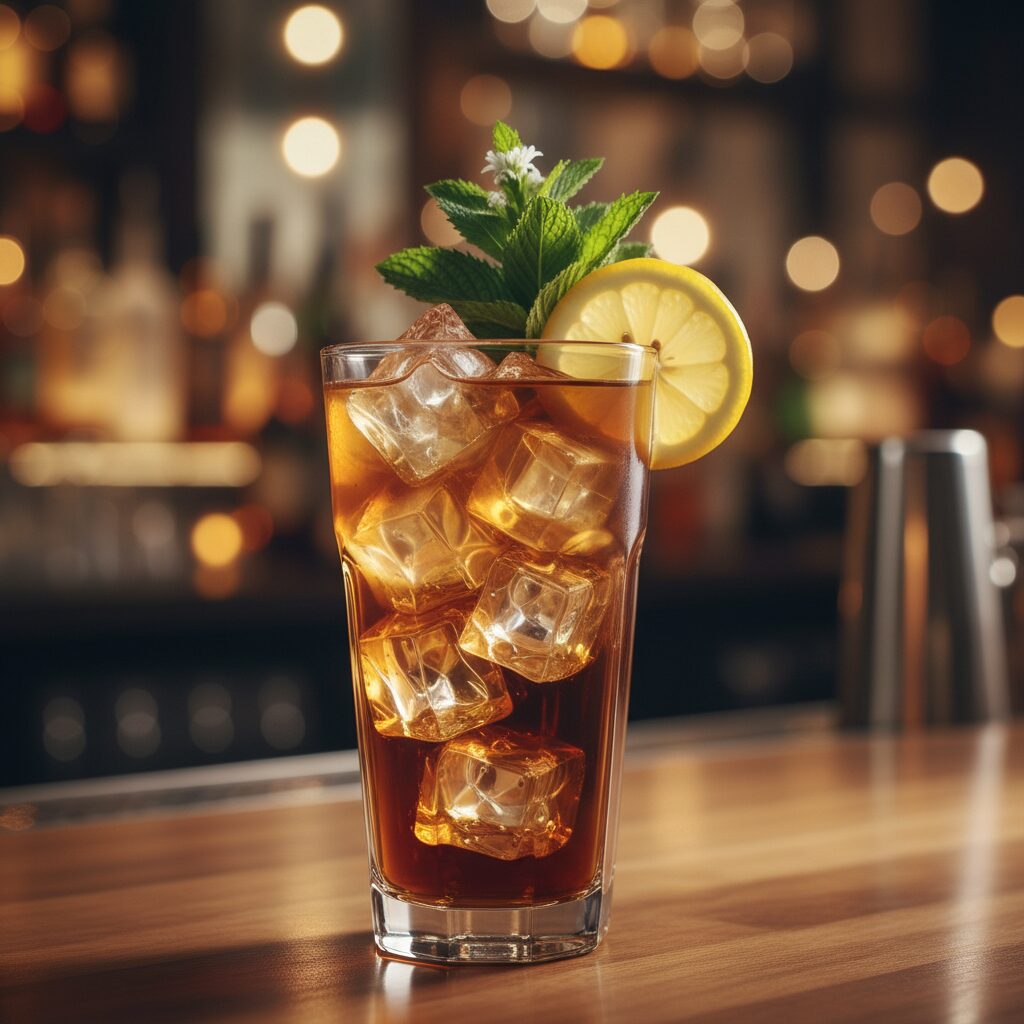
No list is complete without the Long Island Iced Tea. While not invented in the 90s, it remained a staple for college students and budget-conscious drinkers throughout the decade.
It represented maximum efficiency: four or five different clear spirits, a splash of cola, and a sour mix. It looked like iced tea, but it hit like a freight train.
The Era of Alcopops and “Clear” Drinks
The 90s saw a massive marketing push toward “light” and “clear” products, based on the pseudo-science that clear liquids were somehow purer or healthier.
What happened to Zima?
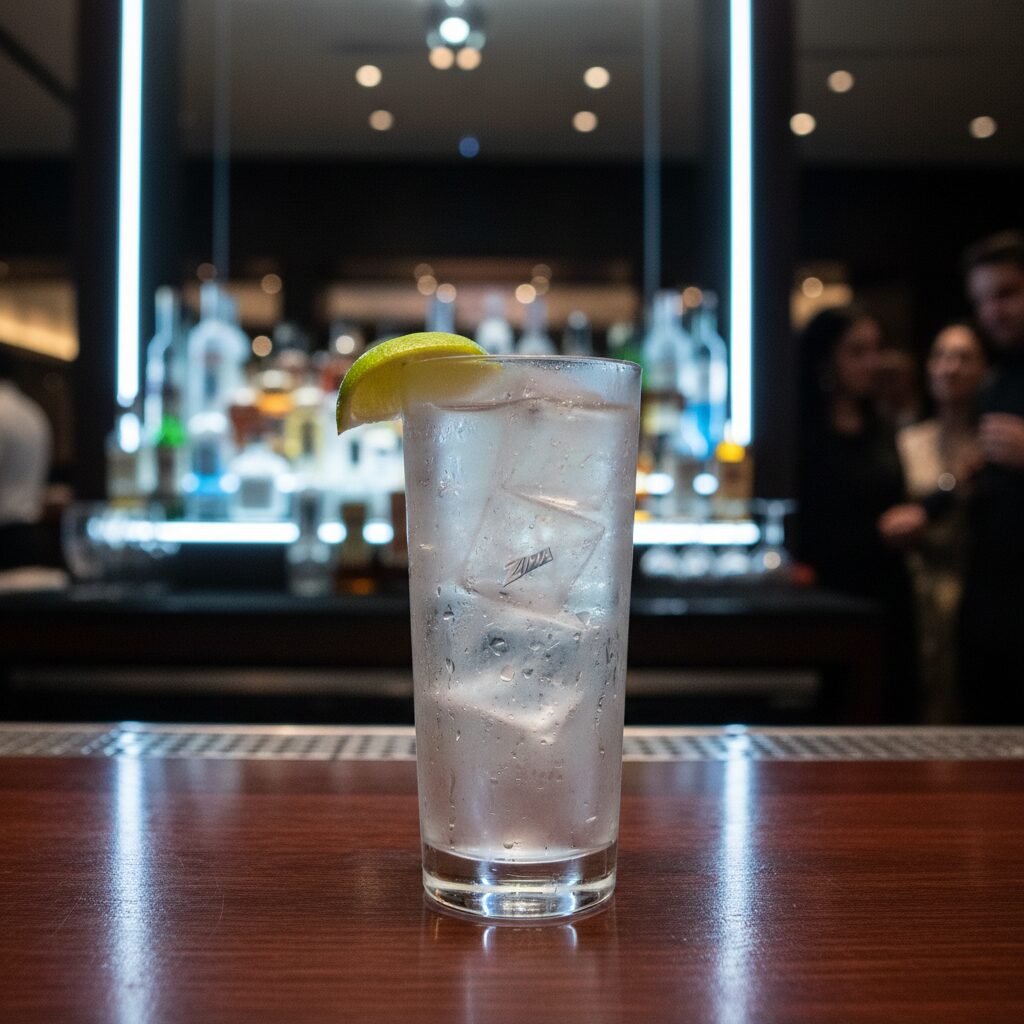
Launched in 1993, Zima was a phenomenon. It was a clear, lemon-lime flavored malt beverage that promised a unique alternative to beer. It was carbonated, refreshing, and marketed as “something different.”
For a few years, Zima was everywhere. However, it garnered a reputation for being a “starter drink” for inexperienced drinkers, and the brand struggled to maintain a cool image.
By the late 2000s, it had vanished from US shelves, only to see brief limited-time returns due to nostalgia.
The dominance of Wine Coolers
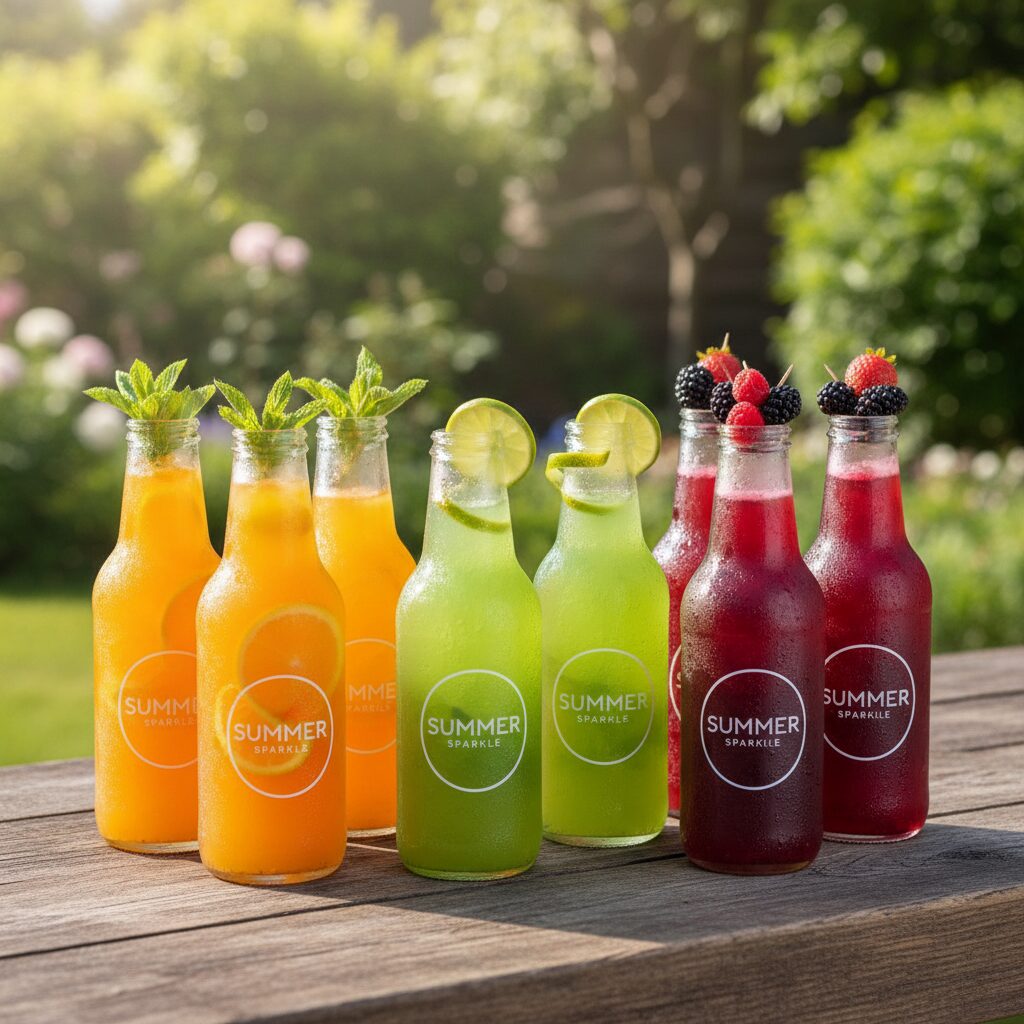
Before the hard seltzer boom of the 2020s, we had wine coolers. Brands like Bartles & Jaymes and Seagram’s Escapes dominated the market.
These were fruit-forward, lower-ABV drinks that came in flavors like “Exotic Berry” and “Fuzzy Navel.” They were the ultimate accessories for a backyard barbecue or a night on the porch.
Non-Alcoholic Nostalgia: Sodas and “New Age” Beverages
The 90s were the golden age of experimental soft drinks.
Orbitz: The drink you could chew
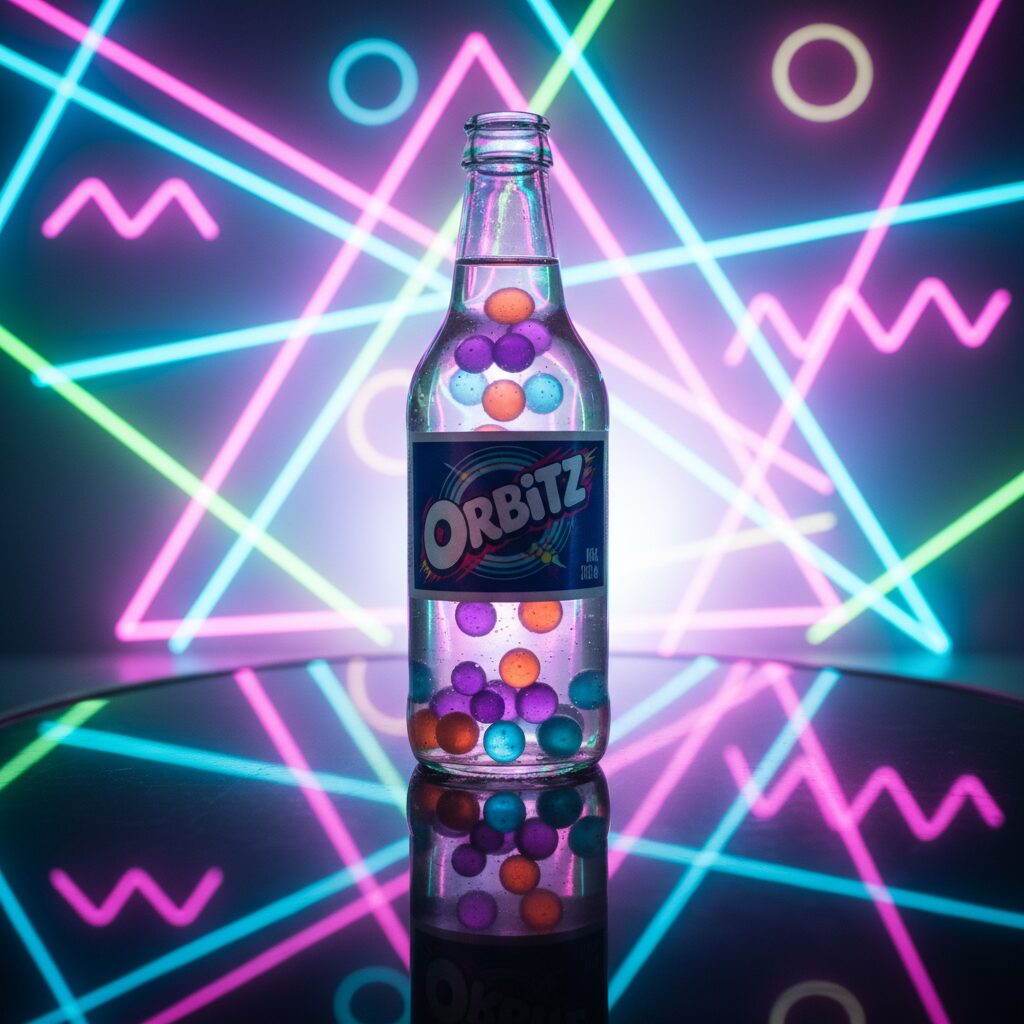
Orbitz is perhaps the most infamous beverage failure of the decade. Produced by the makers of Clearly Canadian, it featured small, gelatinous balls floating in a clear liquid.
It looked like a lava lamp and tasted… confusing. While it failed commercially, it remains a high-value collector’s item today.
Clearly Canadian
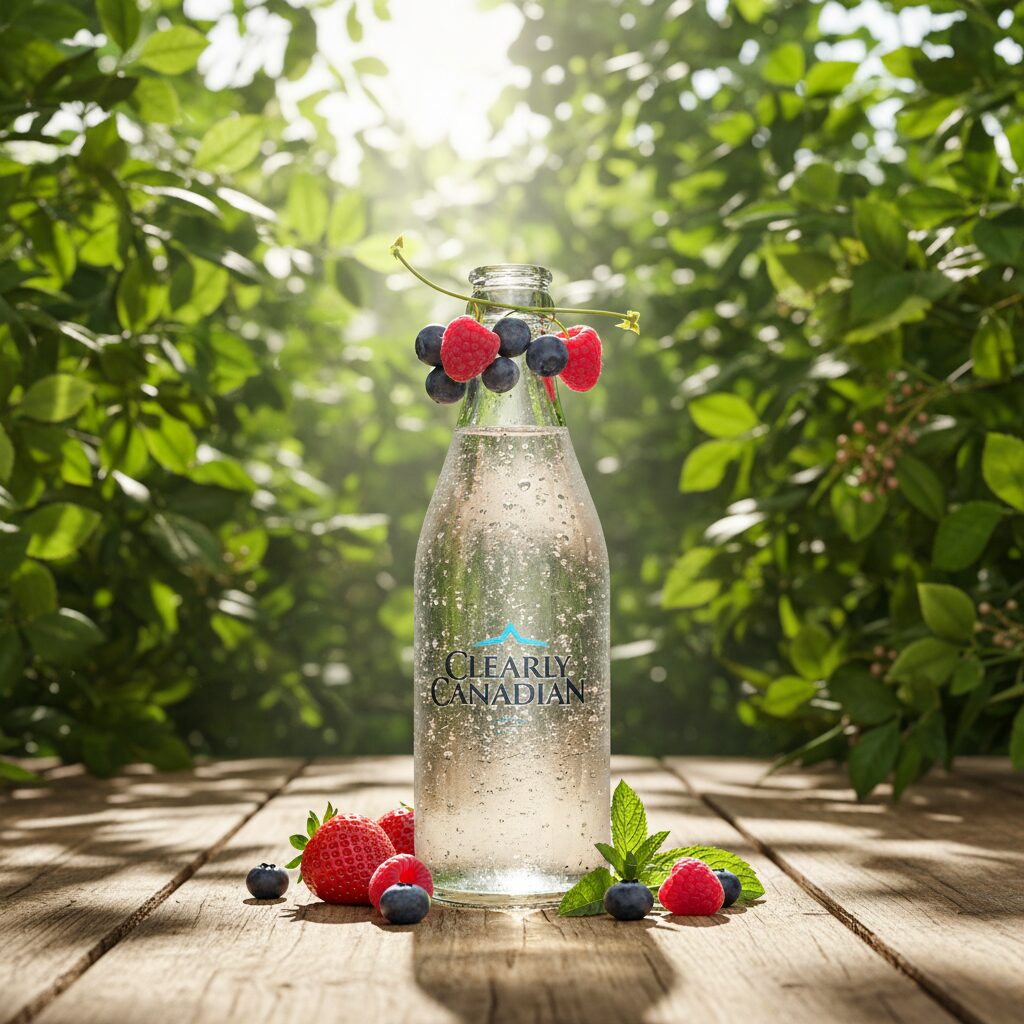
This was the “it” drink for the health-conscious teen. It was sparking water, but it was packed with sugar and bold fruit flavors like Mountain Blackberry and Orchard Peach.
The distinctive blue glass bottle was a status symbol in middle school cafeterias.
Surge
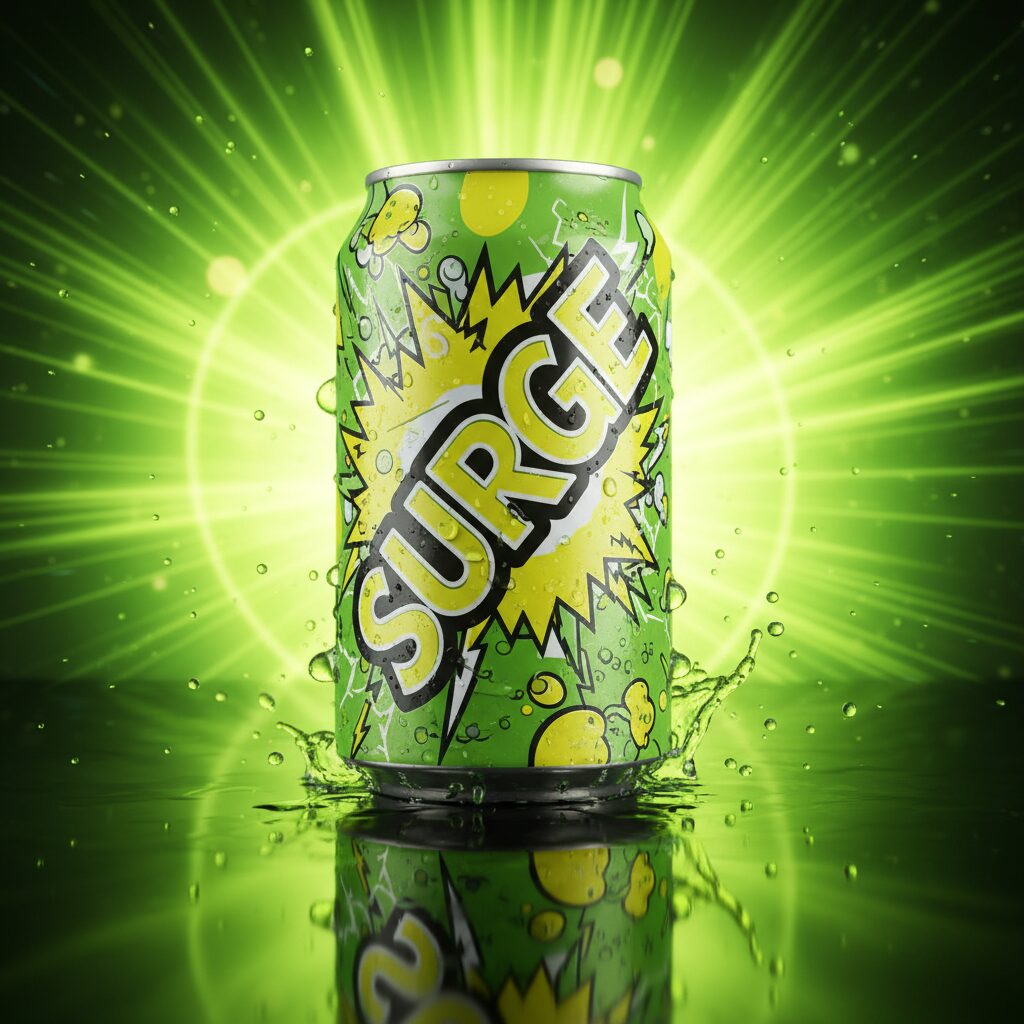
Coca-Cola’s answer to Mountain Dew, Surge was pure, caffeinated aggression. With its “fully loaded” slogan and slime-green can, it was marketed to the extreme sports demographic.
It was eventually discontinued, leading to one of the internet’s first massive fan campaigns to bring it back.
Taste and Texture: A Sensory Profile of the 90s
If we analyze the 90s beverage scene through a sensory lens, a few distinct patterns emerge that separate it from modern drinking trends.
- Viscosity: Many 90s drinks had a thicker mouthfeel. The extensive use of sour mix and high-fructose corn syrup in drinks like the Appletini or commercial margaritas created a syrupy texture that coated the tongue.
- Artificiality: The “fruit” flavors of the 90s were rarely derived from nature. The “apple” in an Appletini or the “berry” in a Blue Lagoon were hyper-real, candy-like interpretations of fruit.
- Carbonation Aggression: Sodas like Surge and Jolt Cola utilized intense carbonation to mimic the “energy” or “kick” they were marketing.
- The “Gel” Factor: Orbitz introduced a texture that consumers ultimately rejected, suspended gelatin spheres. It created a drinking experience that required chewing, confusing the brain’s expectation of refreshment.
Nutrition and Pricing Guide: 2026 Update
Nostalgia is free, but the ingredients aren’t. We analyzed the current 2026 market in the USA to see what it costs to recreate these drinks today, along with a nutritional reality check using USDA data comparisons.
Prices estimated based on national retailers (e.g., Total Wine, Walmart, localized liquor distributors) as of early 2026. Nutrition data based on standard serving sizes.
| Drink / Product | Main Ingredient Cost (2026) | Est. Calories per Serving | Nutritional Note |
| Cosmopolitan | Cointreau ($42) + Vodka ($25) | ~200 cal | High sugar from liqueur; lower cal if using fresh lime. |
| Appletini | Apple Schnapps ($19.99) + Vodka ($25) | ~250 cal | Schnapps is calorie-dense and high in sugar. |
| Zima | ~$10.99 (6-pack) / ~$5 per bottle (secondary market) | ~180 cal | Malt-based; similar carb profile to a heavy beer. |
| Cranberry Juice | ~$5.00 (64oz Ocean Spray) | 110 cal (8oz) | High vitamin C, but traditional “cocktail” juice is high sugar. |
| Wine Cooler | ~$9.99 (4-pack) | ~150-220 cal | Often contain HFCS (High Fructose Corn Syrup). |
| Surge / Soda | ~$2.50 (single can/import) | 170+ cal | Pure sugar and caffeine; zero nutritional density. |
Key Takeaway: The “clear” drink craze of the 90s did not equate to “light” calories. A Zima or a Crystal Pepsi carried just as much sugar as their darker counterparts.
Frequently Asked Questions
Is it possible to buy Zima in 2026?
Zima is not widely produced in the US anymore. However, it is still sold in Japan. You can occasionally find imported six-packs in specialty stores or online, though prices are significantly higher than the original retail price.
What made Crystal Pepsi different from regular Pepsi?
The main difference was the absence of caramel coloring. However, the formula also removed preservatives and caffeine to keep the liquid strictly clear, which slightly altered the flavor profile, making it taste lighter and more citrus-forward.
Why were Orbitz drinks discontinued so quickly?
Consumers found the texture off-putting. The gellan gum spheres gave the drink a “chunky” consistency that many compared to drinking a lava lamp. It was pulled from shelves within a year of launch.
What is the alcohol content (ABV) of a classic Appletini?
A standard Appletini is quite strong. With 1.5 oz of 80-proof vodka and 1 oz of 30-proof schnapps, the ABV usually hovers around 20-25%, making it much stronger than a beer or wine cooler.
Are 90s wine coolers the same as modern hard seltzers?
No. 90s wine coolers (and malt alternatives) were typically sugar-sweetened and fuller-bodied. Modern hard seltzers are usually fermented cane sugar or malt with low calories (100 cal) and low sugar (1-2g), whereas a 90s cooler could have 30g+ of sugar.
Did Surge really have more caffeine than coffee?
No. A 16oz can of Surge had roughly 69mg of caffeine. A standard 16oz coffee has anywhere from 150mg to 200mg. The “energy” rush from Surge came largely from its massive sugar content.
Can I still buy Clearly Canadian?
Yes! After a crowdfunding campaign in the mid-2010s, Clearly Canadian is back in production and available at many major retailers like World Market and Kroger, retaining the iconic glass bottle.
What was in a “Bartles & Jaymes” cooler?
Originally, they were wine-based. However, due to tax laws changing in the early 90s, many “wine” coolers switched to a malt base (like beer) to save money, though they kept the fruity flavor profiles.
Why was Cosmo pink?
The pink hue comes from the splash of cranberry juice cocktail. In the 90s, using 100% unsweetened cranberry juice was rare in bars; the “cocktail” version (sweetened) provided that distinct bright pink color.
What is the most expensive 90s drink to make today?
The Long Island Iced Tea is likely the most expensive to stock for home bars because it requires five different bottles of liquor (Vodka, Rum, Gin, Tequila, Triple Sec) to make a single drink.
Sipping on Memories
The drinks of the 90s were not about culinary perfection; they were about expression. They were loud, colorful, and unapologetically sweet. While our palates may have evolved toward dry wines and craft cocktails with hand-carved ice, there is an undeniable joy in the simplicity of an Appletini or the crisp fizz of a Zima.
Revisiting these drinks in 2026 allows us to understand the cultural shift from the excess of the 80s to the digital dawn of the new millennium. If you decide to mix one of these up tonight, just remember: the neon colors are mandatory, but the hangover is optional. Drink responsibly.

Naeem is a passionate drink enthusiast and recipe curator behind DrinkWhisper.com. With 10 years of exploring cafes, bars, and home mixology trends, he shares inspiring drinks, creative cocktails, and refreshing non alcoholic recipes for every occasion.