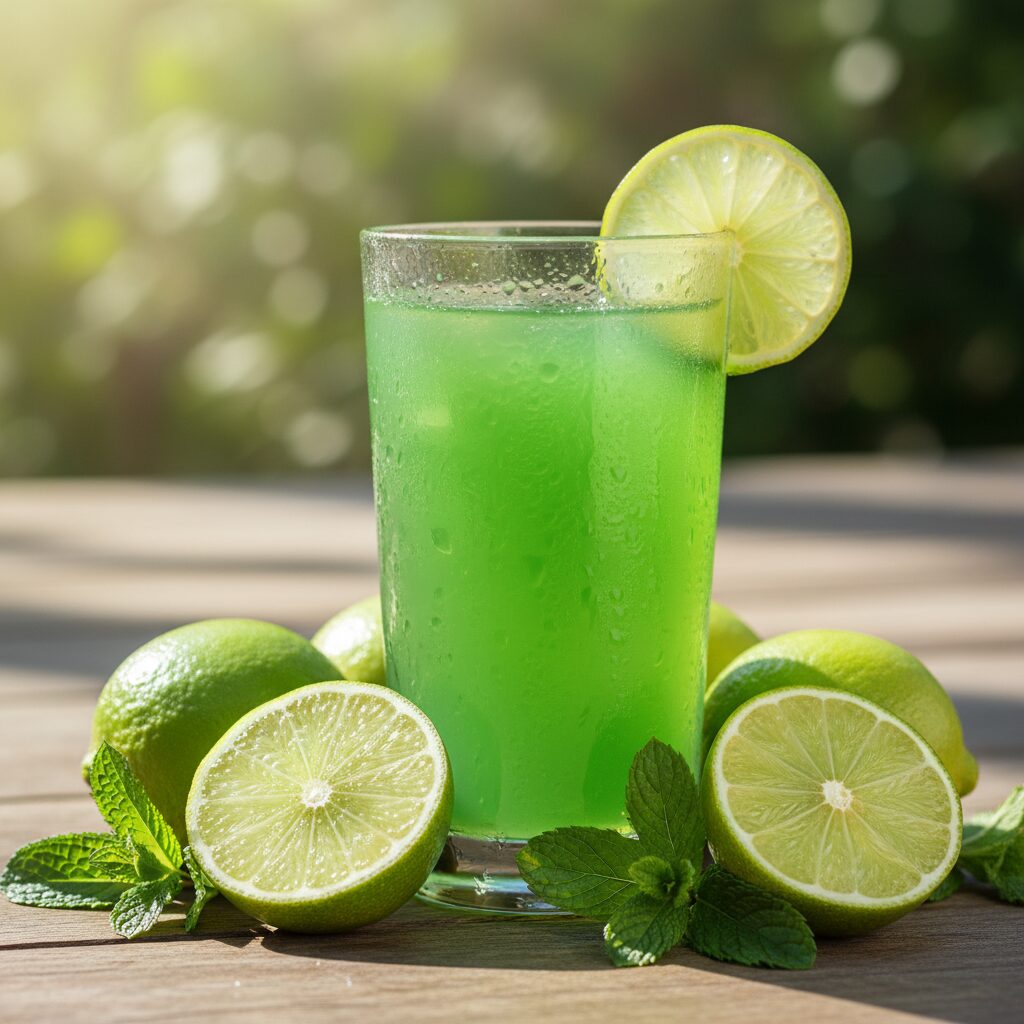
Lime juice is far more than just a cocktail mixer or a taco garnish. This vibrant, tart liquid is a nutritional powerhouse packed with antioxidants and Vitamin C.
Whether you are squeezing it fresh for a morning detox drink, using it to cure ceviche, or adding zest to a dessert, lime juice offers a unique profile that lemon juice simply cannot replicate.
However, not all lime juice is created equal. From the grocery store Persian limes to the distinct Key limes and the shelf-stable bottled varieties, the flavor and nutritional value can vary significantly.
The Different Types of Lime Juice
Before you start squeezing, it is important to understand which variety suits your needs. The flavor profile changes dramatically depending on the fruit’s origin.
| Lime Variety | Flavor Profile | Best Use Cases |
| Persian Lime | Moderately acidic, seedless, less aromatic. | Everyday cooking, cocktails, marinades. This is the standard grocery store lime. |
| Key Lime | Highly acidic, distinct floral aroma, tart. | Key Lime Pie, specialized desserts, syrups. |
| Sweet Lime (Mosambi) | Mild, sweet, low acidity. | Drunk straight as a juice (popular in India/SE Asia) for hydration. |
| Bottled (Concentrate) | Sharp, slightly chemical/preservative taste. | Emergency baking, bulk cooking where texture matters less than acid. |
Nutritional Value of Lime Juice
Many people consume lime juice diluted in water (limeade) because of its intense acidity. However, for accuracy, the table below reflects the nutritional value of 8 oz (240 ml) of raw, fresh lime juice.
Note: Lime juice is naturally caffeine-free.
| Nutrient | Amount per 8 oz (240 ml) | % Daily Value (approx) |
| Calories | 60 kcal | 3% |
| Carbohydrates | 20 g | 7% |
| Sugars | 4 g | – |
| Protein | 1 g | 2% |
| Fat | 0.2 g | 0% |
| Vitamin C | 72 mg | 80% |
| Caffeine | 0 mg | 0% |
Source: USDA FoodData Central estimates for raw lime juice.
A Note on Sugar
While raw lime juice is low in sugar, “Lime Juice” sold as a beverage (Limeade or Cordial) often contains significant added sugars. Always check the label if buying pre-mixed drinks.
Fresh vs. Bottled: Price and Quality Comparison
Is it worth the effort to squeeze your own? Generally, yes.
Fresh lime juice contains active enzymes and better flavor notes that degrade in pasteurized, bottled versions. However, bottled juice offers convenience and longevity.
Below is a price comparison based on current 2025/2026 retail averages in the US market.
| Product Type | Typical Size | Price Range (USD) | Shelf Life (Opened) |
| Fresh Persian Limes | 1 lb (approx. 6-8 limes) | $2.50 – $4.00 | 1 week (fridge) |
| ReaLime (Concentrate) | 15 fl oz Bottle | $2.20 – $3.00 | 6+ months (fridge) |
| Nellie & Joe’s Key Lime | 16 fl oz Bottle | $5.50 – $7.00 | 6+ months (fridge) |
| Organic Pure Lime Juice | 8-12 fl oz Bottle | $6.00 – $9.00 | 2-4 weeks (fridge) |
Cost Analysis
To get 8 oz of fresh juice, you need approximately 6 to 8 medium Persian limes. If limes are $0.50 each, 8 oz of fresh juice costs about $3.00 – $4.00.
Bottled concentrate is significantly cheaper, but you sacrifice flavor complexity.
Health Benefits of Lime Juice
Immune System Support
Limes are rich in Vitamin C, a nutrient vital for the immune system. Regular consumption can help increase the production of white blood cells, potentially shortening the duration of common colds.
Improved Iron Absorption
Iron from plant sources (spinach, lentils) is harder for the body to absorb than iron from meat. The citric acid and Vitamin C in lime juice can significantly enhance your body’s ability to absorb this iron, reducing the risk of anemia.
Kidney Stone Prevention
Citrus fruits are high in citrate. Increasing citrate levels in urine can help prevent kidney stones from forming by binding to calcium. Studies suggest that fresh lime juice may be as effective as lemonade in this regard.
Recipe: How to Make Fresh Lime Juice (Limeade)
Drinking 8 oz of straight lime juice is difficult due to the acidity. Here is the standard way to prepare a refreshing lime juice drink (Limeade) at home.
Prep time: 10 minutes
Servings: 4
Ingredients
- 1 cup (8 oz) Fresh Persian Lime Juice (approx. 8-10 limes)
- 4 cups Cold Water
- ¾ cup Granulated Sugar (adjust to taste)
- Ice cubes
- Fresh mint or lime wheels for garnish
Instructions
Roll the Limes
Before cutting, roll the limes firmly on the countertop with your palm. This breaks the internal membranes and yields more juice.
Juice
Cut limes in half and squeeze using a citrus press or handheld reamer. Strain the juice through a fine-mesh sieve to remove seeds and excess pulp.
Dissolve Sugar
In a pitcher, combine the fresh lime juice and sugar.
Stir vigorously until the sugar is completely dissolved. (Alternatively, create a simple syrup by heating the sugar and 1 cup of water, then cooling it down).
Mix
Add the remaining cold water. Stir well.
Serve
Pour over ice and garnish with a slice of lime or a sprig of mint.
Safety and Side Effects
While healthy, lime juice requires careful handling and consumption.
Erosion of Tooth Enamel
The high acidity (pH 2-3) can erode tooth enamel over time. It is recommended to drink lime juice diluted or through a straw, and rinse your mouth with plain water afterward.
Phytophotodermatitis (“Margarita Burn”)
Lime peel and juice contain compounds called furanocoumarins. If these get on your skin and are then exposed to sunlight, it can cause a severe, blistering chemical burn.
Always wash your hands thoroughly with soap after handling limes, especially before going outside.
Acid Reflux
Those prone to GERD or heartburn should limit consumption, as the citric acid can trigger symptoms.
Frequently Asked Questions
Is bottled lime juice as healthy as fresh?
Bottled lime juice often contains preservatives like sodium benzoate and sulfites to extend shelf life.
While it still contains Vitamin C, the pasteurization process can reduce some nutrient content, and the flavor is generally inferior to fresh juice.
Can I substitute lemon juice for lime juice?
In most cooking and baking recipes, yes. They have similar acidity levels. However, in cocktails or specific desserts (like Key Lime Pie), the flavor difference is noticeable.
Lemons are slightly sweeter and floral, while limes are more bitter and tart.
How long does fresh lime juice last in the fridge?
Freshly squeezed lime juice begins to lose its flavor integrity (oxidize) after about 24 hours. For the best taste, use it immediately. However, it remains safe to consume for 2-3 days if stored in a sealed container.
Does lime juice help with weight loss?
Lime juice is low in calories and can be a great alternative to sugary sodas.
While it does not burn fat directly, the citric acid may boost metabolism slightly, and swapping high-calorie drinks for lime water contributes to a calorie deficit.
Final Thoughts
Lime juice is a versatile ingredient that balances flavor with function. If you are looking for culinary depth or a specific cocktail profile, fresh Persian limes are your best investment despite the labor involved.
For bulk uses or high-volume cooking, bottled 100% juice is a cost-effective alternative. Whichever you choose, be mindful of the acidity to protect your teeth, and enjoy the zest it brings to your diet.

Naeem is a passionate drink enthusiast and recipe curator behind DrinkWhisper.com. With 10 years of exploring cafes, bars, and home mixology trends, he shares inspiring drinks, creative cocktails, and refreshing non alcoholic recipes for every occasion.